What Are Crowns And Bridges?
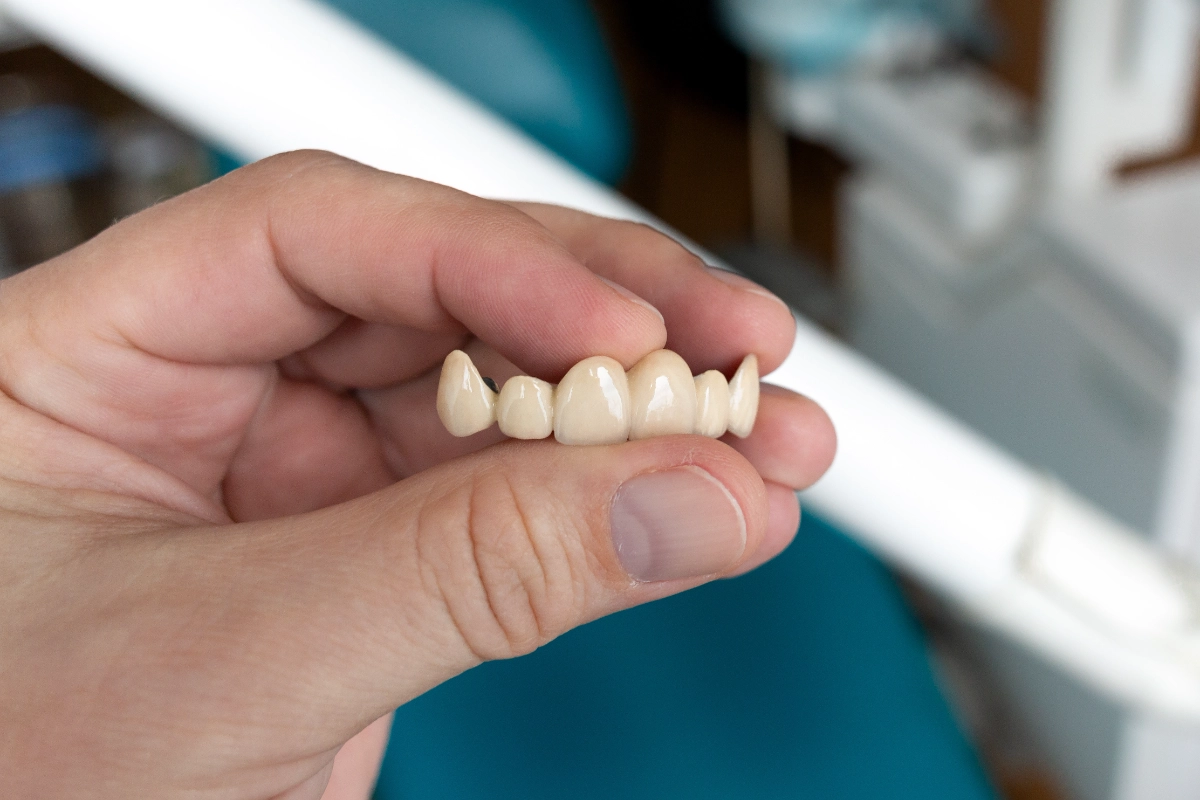
A crown covers the whole visible part of a tooth. It is used where a tooth is heavily broken down, cracked, worn or has had root canal treatment, and where a filling would not provide enough strength. Preparing a tooth for a crown involves removing tooth structure, which is irreversible.
A bridge replaces a missing tooth using the teeth or implants on either side for support. Where natural teeth are used, they are prepared in the same way as for a crown, so healthy tooth structure is permanently altered.
Crowns and bridges are made from materials such as porcelain, zirconia, metal alloys or a combination. Your practitioner will discuss which materials suit the tooth in question, taking into account strength, appearance and your bite.
When A Crown Or Bridge May Be Considered
A crown or bridge may be discussed where there is:
A crown or bridge is not always the right answer. Depending on the case, a filling, an onlay, an implant, a denture or no treatment may be more appropriate. Untreated decay and gum disease must be addressed first.
The Treatment Process
What crown and bridge treatment generally involves at our Brunswick practice.
An examination of the tooth, the surrounding gums and your bite, with radiographs where clinically indicated, and a written plan with costs.
The tooth is shaped under local anaesthetic and a scan or impression is taken. A temporary crown or bridge is usually fitted while the final one is made.
The crown or bridge is made in a dental laboratory to the planned shape, shade and fit.
The restoration is tried in, the fit and bite checked and adjusted, then cemented. A review appointment monitors the gum and the bite.
Crowns And Bridges Compared
General information only. The appropriate option depends on your individual clinical circumstances.
What Crowns And Bridges May Offer
For suitable cases, crown or bridge treatment may:
Outcomes vary between individuals and depend on your clinical circumstances, your oral health and how closely aftercare instructions are followed. No particular result can be guaranteed.
Risks And Considerations
Crown and bridge treatment permanently alters teeth and carries risks, including:
Your practitioner will discuss the risks relevant to your circumstances, along with the alternatives and their associated risks, before any treatment begins.
Caring For Crowns And Bridges
Patients are generally advised to:
Instructions are tailored to your individual treatment plan. If you have concerns after treatment, contact the practice for assessment.
Why Choose Brunswick Dental Practice For Crowns And Bridges?
Our Brunswick practice provides crown and bridge treatment as part of a broader range of general and cosmetic dental services, with more conservative options considered first where appropriate.
BOOK AN APPOINTMENT
Where a filling or an onlay would restore the tooth adequately, that is discussed before a crown is recommended.
You receive a written treatment plan and an itemised quote before any treatment begins, so the fees are clear up front.
Payment plan options can be discussed at your consultation. Terms and conditions apply.
Your bite, the health of the surrounding gum and any grinding habit are assessed, as each affects how a crown or bridge will perform.
Porcelain, zirconia and metal options are explained in terms of strength, appearance and the position of the tooth.
Fees, Health Funds And Payment
Fees for crowns and bridges vary according to the material chosen, the number of units required and the complexity of the case.
A written treatment plan and itemised quote are provided following your consultation, before treatment begins.
Health fund rebates may apply depending on your level of cover — check directly with your fund.
Payment plan options can be discussed at your consultation; terms and conditions apply.


We accept all health funds and are a preferred provider for NIB.
Frequently Asked Questions
This varies with the material, the tooth, your bite and how well the margins are cleaned. They are not permanent and may need repair or replacement over time.
Preparation is carried out under local anaesthetic. Some sensitivity afterwards is common, particularly while a temporary crown is in place.
Where too little sound tooth structure remains, a filling may not withstand normal biting forces and the tooth may fracture. Your practitioner will explain the reasoning in your case.
Yes. The junction between the crown and the tooth can decay, which is why daily cleaning and regular check-ups matter.
Using floss threaders, superfloss or interdental brushes as demonstrated by your practitioner. Cleaning underneath is essential to the long-term health of the supporting teeth.
Keep the crown, avoid chewing on that side and contact the practice. Do not attempt to re-cement it yourself.
Neither is better in all cases. A bridge involves preparing adjacent teeth but no surgery; an implant avoids preparing them but requires surgery and adequate bone. Both are discussed at consultation.
Shade is selected with you, and porcelain and zirconia can be matched closely. Natural teeth change colour over time, so the match may alter.
Book A Consultation
If you have a broken or heavily worn tooth, a missing tooth, or an old crown that needs review, contact our Brunswick practice to arrange an assessment. Your practitioner will examine the tooth and your bite and discuss the suitable options, their risks and the alternatives.
Call (03) 9386 7981 or use the enquiry form above. All treatment is provided by registered dental practitioners in accordance with Australian professional standards.
BOOK ONLINE
The information on this page is general in nature and is not a substitute for individual clinical advice. Any dental procedure carries risks. Speak with a registered dental practitioner about your individual circumstances before deciding on treatment.
© 2026 Brunswick Dental Practice