What Are Dental Veneers?
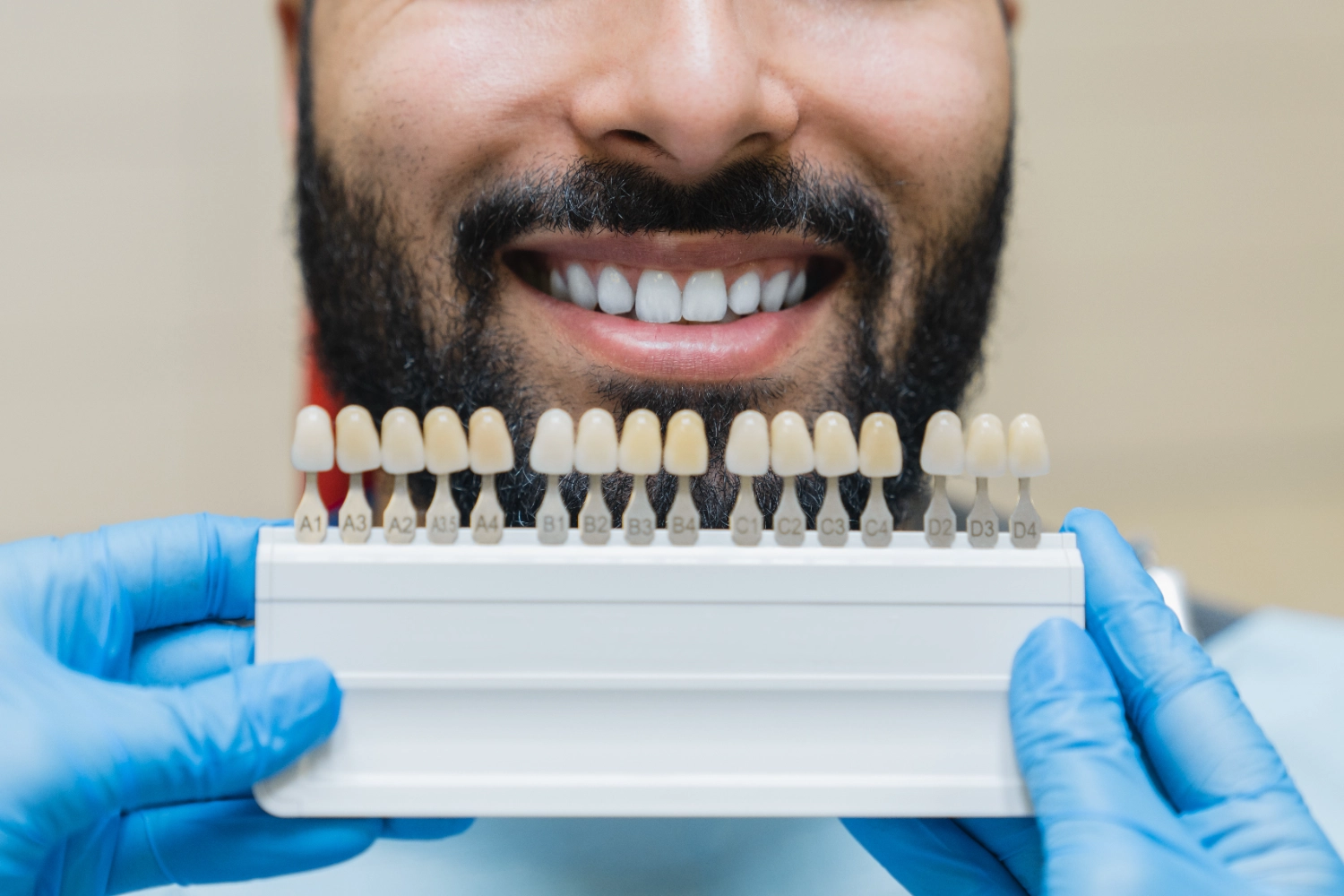
A veneer is a thin layer of porcelain or composite resin bonded to the front of a tooth. Porcelain veneers are made in a dental laboratory from an impression or digital scan and cemented at a later appointment. Composite veneers are built up and shaped directly on the tooth in a single visit.
Placing a porcelain veneer usually involves removing a small amount of enamel so the veneer sits correctly and does not look bulky. This is irreversible: once enamel is removed, the tooth will always require a veneer or crown.
Veneers change the appearance of teeth. They do not treat decay, gum disease or bite problems, which must be addressed before cosmetic treatment is considered.
When Veneers May Be Considered
Veneers may be discussed where a patient is concerned about:
Veneers are not appropriate where there is active decay, untreated gum disease, insufficient enamel, or significant bite or grinding problems. In some cases whitening, bonding, orthodontic treatment or a crown may be more suitable.
The Treatment Process
What veneer treatment generally involves at our Brunswick practice.
An examination of your teeth, gums and bite, with radiographs and photographs where clinically indicated, and a discussion of what is realistically achievable.
Shade, shape and proportion are planned. A preview or trial stage may be used so the proposed result can be discussed before treatment proceeds.
Where required, a small amount of enamel is removed and a scan or impression taken. Temporary veneers may be placed while the porcelain is made.
The veneers are tried in, adjusted and bonded. A review appointment checks the fit, the bite and the health of the surrounding gums.
Porcelain And Composite Veneers Compared
General information only. The appropriate option depends on your individual clinical circumstances.
What Veneers May Address
For suitable cases, veneer treatment may:
Outcomes vary between individuals and depend on your clinical circumstances, your oral health and how closely aftercare instructions are followed. No particular result can be guaranteed.
Risks And Considerations
Veneers are an irreversible treatment in most cases and carry risks, including:
Your practitioner will discuss the risks relevant to your circumstances, along with the alternatives and their associated risks, before any treatment begins.
Caring For Veneers
Patients with veneers are generally advised to:
Instructions are tailored to your individual treatment plan. If you have concerns after treatment, contact the practice for assessment.
Why Choose Brunswick Dental Practice For Veneers?
Our Brunswick practice provides veneer treatment as part of a broader range of general and cosmetic dental services, with the health of the underlying teeth assessed first.
BOOK AN APPOINTMENT
Decay, gum disease and bite problems are identified and addressed before veneer treatment is considered.
You receive a written treatment plan and an itemised quote before any treatment begins, so the fees are clear up front.
Payment plan options can be discussed at your consultation. Terms and conditions apply.
Where whitening, bonding or orthodontic treatment could achieve your goals with less loss of tooth structure, those options are put to you.
Shade, shape and proportion are planned, and a trial or preview stage may be used so the proposal can be discussed before enamel is prepared.
Fees, Health Funds And Payment
Fees for veneers vary according to the material chosen, the number of teeth treated and the complexity of the case.
A written treatment plan and itemised quote are provided following your consultation, before treatment begins.
Health fund rebates may apply depending on your level of cover — check directly with your fund.
Payment plan options can be discussed at your consultation; terms and conditions apply.


We accept all health funds and are a preferred provider for NIB.
Frequently Asked Questions
This varies with the material, the case and how they are cared for. Veneers are not permanent and will need maintenance, repair or replacement over time. Your practitioner will discuss what to expect in your case.
Not always, but porcelain veneers usually require some enamel reduction so they sit correctly. Where enamel is removed, the change is permanent.
No. Veneer material does not respond to whitening. Where whitening is planned, it is generally done before the veneer shade is chosen.
Shade, shape and translucency are planned with you, and a preview stage may be used. Appearance is a matter of individual judgement, and results vary between people.
The tooth beneath a veneer is still susceptible to decay and gum disease and must be cleaned and monitored. Preparation permanently alters the tooth.
Sometimes, though matching a single veneer to adjacent natural teeth can be demanding. This is assessed at consultation.
Grinding increases the risk of chipping or debonding. Your practitioner may recommend a nightguard, or a different approach altogether.
Depending on your concerns, alternatives may include whitening, composite bonding, orthodontic treatment, crowns, or no treatment. These are discussed at consultation.
Book A Consultation
If you'd like to know whether veneers are appropriate for you, contact our Brunswick practice to arrange a consultation. Your practitioner will assess your teeth, gums and bite, and discuss the suitable options, their risks and the alternatives — including approaches that remove less tooth structure.
Call (03) 9386 7981 or use the enquiry form above. All treatment is provided by registered dental practitioners in accordance with Australian professional standards.
BOOK ONLINE
The information on this page is general in nature and is not a substitute for individual clinical advice. Any dental procedure carries risks. Speak with a registered dental practitioner about your individual circumstances before deciding on treatment.
© 2026 Brunswick Dental Practice