


Dental emergencies can occur unexpectedly and may involve pain, infection, swelling or trauma. Prompt assessment is important to determine appropriate management and reduce the risk of complications.
At Brunswick Dental Practice, emergency dental care is provided by registered dental practitioners following a clinical examination and, where necessary, diagnostic imaging.
If you are experiencing severe pain, swelling or trauma, you are encouraged to contact the clinic as soon as possible.
A dental emergency may include:
Not all dental concerns require urgent treatment, but early assessment allows appropriate advice and management.
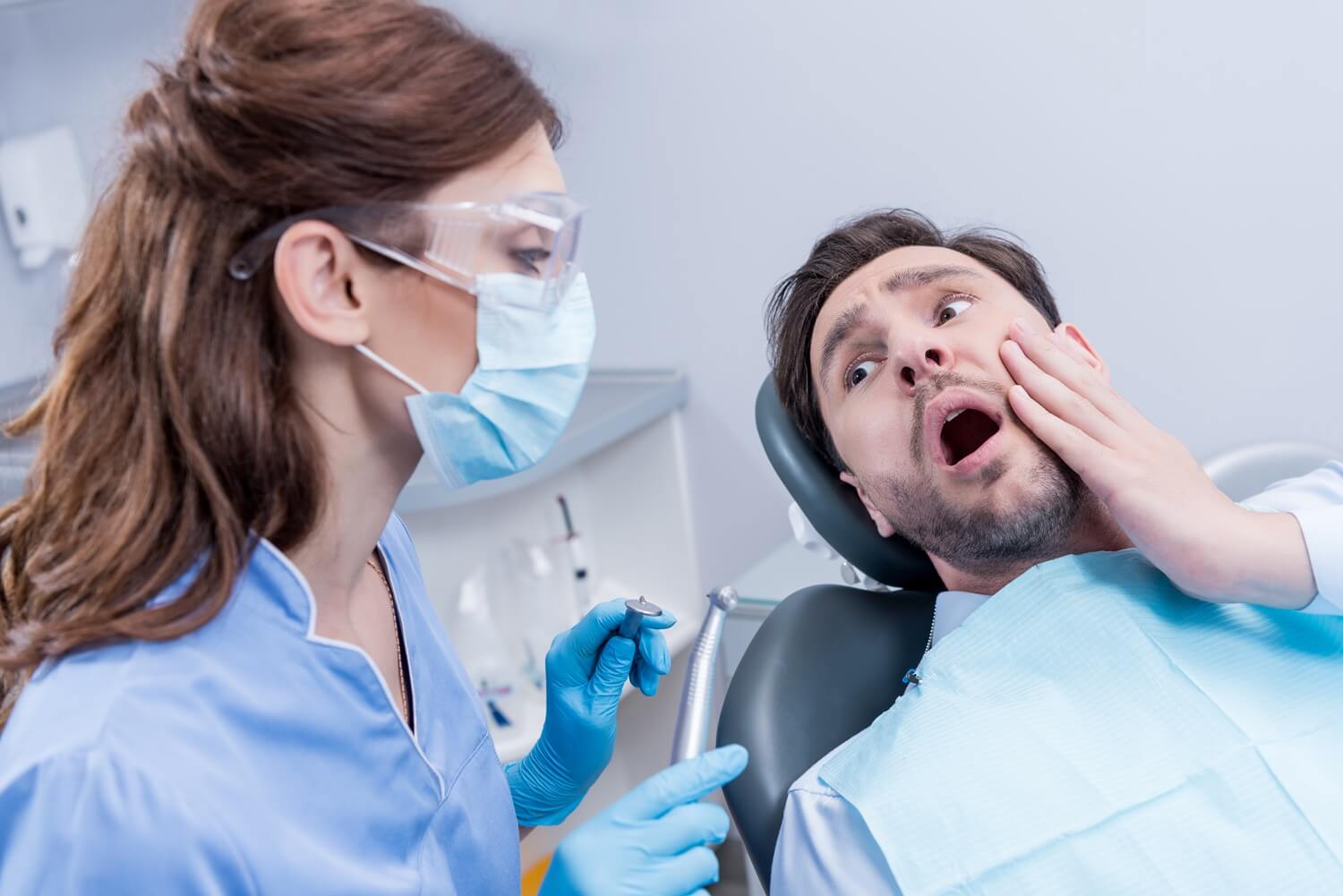
Persistent or severe pain may indicate infection or nerve involvement. You should contact the clinic to arrange an assessment.
If a permanent tooth is knocked out:
Timely assessment may improve the likelihood of successful reattachment.
If a tooth is fractured:
Treatment depends on the extent of damage.
Facial swelling, gum swelling or signs of infection require prompt assessment. In some cases, antibiotics or further treatment may be necessary.
If swelling is severe or accompanied by difficulty breathing or swallowing, seek immediate medical attention.
During your emergency visit:
Treatment may involve pain management, temporary or definitive restorative care, root canal treatment, or extraction depending on the diagnosis.
Where complex care is required, a follow-up appointment may be arranged.
Timely emergency dental assessment may assist in:
1
Managing pain and discomfort
2
Reducing the risk of infection spread
3
Preserving natural teeth where possible
4
Preventing further damage
5
Providing appropriate clinical advice
Individual outcomes vary depending on the nature of the emergency and how quickly treatment is sought.
Affordable Treatment with Service Warranty
Our team of skilled dentists has over 15 years of experience handling dental emergencies.
Convenient Location and Hours
Located in Brunswick, VIC, our dental clinic is easily accessible, and we offer same-day appointments to ensure you get the urgent care you need without delay.
Quick Pain Relief
Our priority is to relieve your pain as quickly as possible, providing immediate treatments that address the root cause of your discomfort.
Expert Management of Dental Trauma
We have extensive experience managing dental trauma, including repairing broken or knocked-out teeth, to restore your smile and oral health.
You should contact the clinic to arrange an assessment as soon as possible. Persistent pain may indicate infection or nerve involvement requiring professional care.
In some cases, a knocked-out permanent tooth may be reattached if managed promptly. Immediate care improves the likelihood of successful treatment.
Swelling associated with infection or trauma should be assessed promptly. If swelling is severe or affects breathing or swallowing, seek urgent medical attention.
If a filling or crown is lost and causing discomfort, contact the clinic for advice. Avoid chewing on the affected side until assessed.
Dental trauma should be assessed as soon as possible to determine appropriate management and reduce the risk of complications.
If you are experiencing a dental emergency, please contact Brunswick Dental Practice as soon as possible.
Call 03 9386 7981 to arrange an urgent appointment.
All treatment is provided by registered dental practitioners in accordance with Australian professional standards.