


Root canal treatment is a dental procedure used to manage infection or inflammation within the pulp (inner tissue) of a tooth. The aim of treatment is to remove infected tissue, clean the internal canals and seal the tooth to reduce the risk of further infection.
At Brunswick Dental Practice, root canal treatment is provided by registered dental practitioners following a comprehensive clinical assessment. Recommendations are based on the condition of the tooth, symptoms and diagnostic findings.
Root canal treatment may be considered where:
Some teeth requiring root canal treatment may not cause significant pain initially. Radiographs (X-rays) and clinical examination assist in determining whether treatment is appropriate.
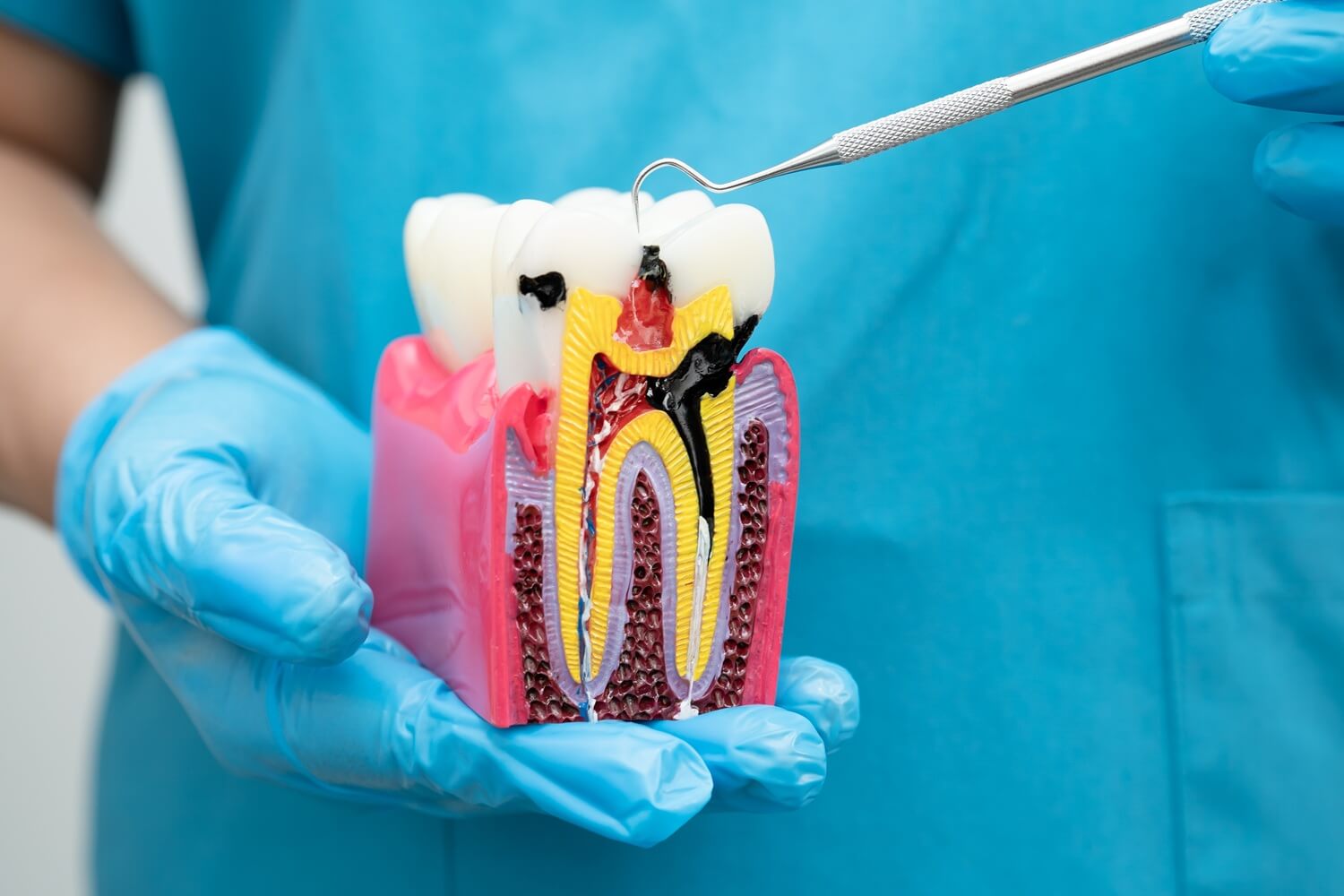
Your dentist will examine the affected tooth and take radiographs where clinically indicated. If root canal treatment is recommended, the procedure, risks and alternatives will be explained.
Local anaesthesia is typically used to manage discomfort. A small opening is created in the tooth to access the pulp chamber. The infected or inflamed tissue is removed, and the root canals are cleaned and shaped.
Once cleaned, the canals are filled and sealed with a biocompatible material. In many cases, a crown is recommended following root canal treatment to restore strength and function to the tooth.
Follow-up appointments may be required to monitor healing.
Root canal treatment may assist in:
1
Managing infection within the tooth
2
Relieving symptoms associated with pulp inflammation
3
Preserving the natural tooth structure
4
Restoring function
5
Reducing the need for extraction in some cases
Individual outcomes vary depending on the extent of infection, overall oral health and adherence to recommended care.
As with any dental procedure, root canal treatment involves certain risks and considerations, including:
In some situations, extraction may be considered as an alternative. Your dentist will discuss all relevant options based on your individual circumstances.
Following root canal treatment:
Maintaining good oral hygiene and attending regular check-ups supports long-term outcomes.
Our commitment to excellence and patient care makes us the quality dentist in Brunswick & choice for root canal treatment in Brunswick. Here’s why:
Specialised Training in Root Canal:
Our dentists undergo extensive training to specialise in root canal procedures, ensuring you receive expert care.
Use of Advanced Technology:
We use the latest technology and equipment for precise and effective root canal treatments.
Post-Treatment Care and Follow-Up
We offer comprehensive post-treatment care and follow-up to ensure your recovery is smooth and successful.
Choose Brunswick Dental Practice for your root canal treatment. Book your root canal consultation at Brunswick Dental Practice today.
Local anaesthesia is typically used during the procedure to minimise discomfort. Some patients may experience temporary sensitivity or mild discomfort after treatment, which usually settles within a few days.
Treatment time varies depending on the complexity of the tooth and the extent of infection. Some cases are completed in one appointment, while others may require multiple visits.
In many cases, a crown is recommended to restore strength and function, particularly for back teeth. Your dentist will advise whether this is appropriate for your situation.
If an infected tooth is left untreated, the infection may progress and affect surrounding tissues. This can lead to pain, swelling or the need for extraction. Early assessment allows discussion of appropriate management options.
Root canal treatment is commonly performed to manage infection within a tooth. However, long-term outcomes vary depending on factors such as the extent of infection, restoration of the tooth and ongoing oral hygiene.
If you are experiencing tooth pain or have been advised that you may require root canal treatment, please contact our Brunswick dental clinic to arrange an assessment.
Call 03 9386 7981 or use the online booking system via our website.
All treatment is provided by registered dental practitioners in accordance with Australian professional standards.