


Dental fillings are a common restorative treatment used to repair teeth affected by decay, minor fractures or wear. The purpose of a filling is to restore the structure and function of a tooth after the damaged or decayed portion has been removed.
At Brunswick Dental Practice, dental fillings are provided by registered dental practitioners following a comprehensive clinical assessment. Treatment recommendations are based on individual oral health needs and the extent of tooth damage.
A dental filling may be considered where:
Not all damaged teeth require the same treatment. Your dentist will assess the condition of the tooth and discuss appropriate options, including risks and alternatives.
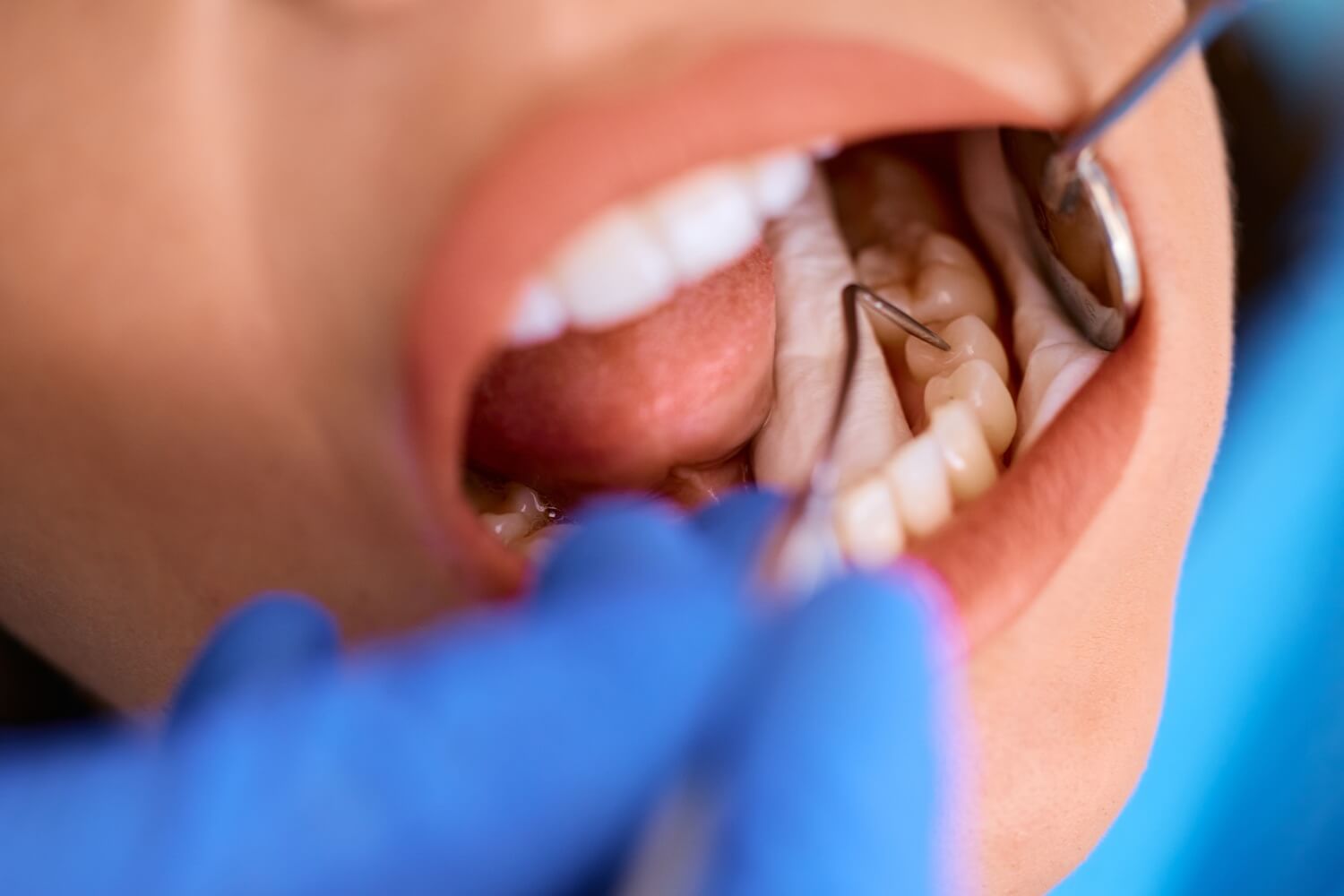
Different restorative materials may be used depending on the location of the tooth, functional requirements and patient preferences.
Composite resin fillings are designed to match the natural colour of teeth and are commonly used in visible areas. They bond directly to the tooth structure and may assist in supporting remaining tooth tissue.
In some cases, alternative materials may be recommended depending on clinical considerations such as bite forces or tooth location. Your dentist will explain the benefits and limitations of each option before proceeding.
Your dentist will examine the affected tooth and may take radiographs (X-rays) if clinically indicated. If a filling is appropriate, the treatment plan will be explained.
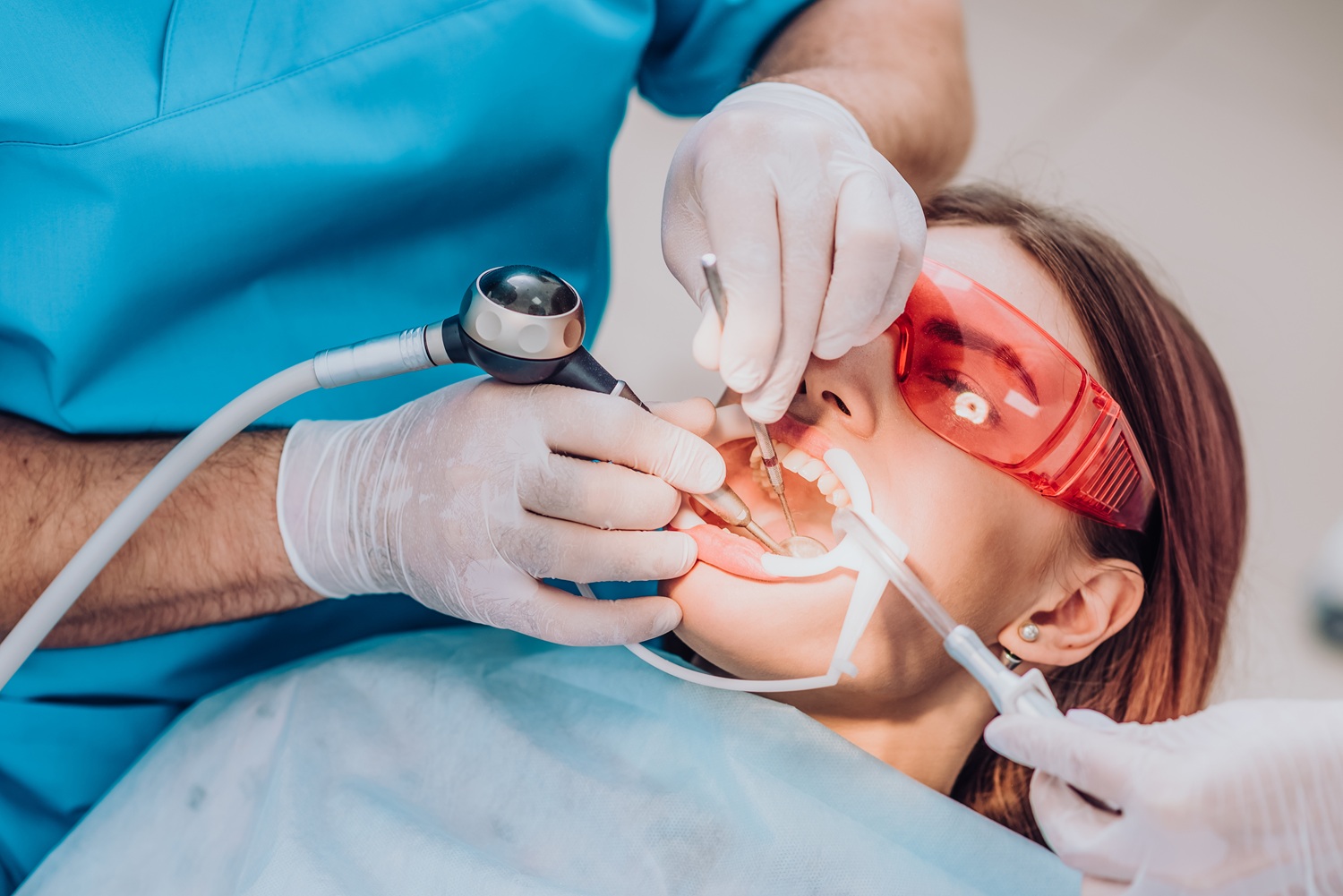
The decayed or damaged portion of the tooth is carefully removed. The area is then cleaned to prepare for placement of the filling material.
The selected filling material is placed, shaped and adjusted to restore the natural contour and function of the tooth. Your bite will be checked to ensure comfort.
Local anaesthesia is typically used to minimise discomfort during the procedure.
Dental fillings may assist in:
1
Restoring tooth structure affected by decay
2
Supporting chewing function
3
Preventing progression of tooth damage
4
Protecting the inner tooth from further bacterial exposure
5
Maintaining overall oral health
Individual outcomes vary depending on the extent of decay, oral hygiene practices and adherence to recommended care.
As with any dental procedure, fillings may involve certain considerations, including:
In some cases, if decay is extensive, alternative treatments such as crowns or root canal therapy may be recommended.
Your dentist will discuss relevant risks and options based on your individual circumstances.
To support the longevity of a dental filling:
Regular monitoring allows your dentist to assess the condition of the filling and surrounding tooth structure.
Advanced Technology
We use the latest technology and advanced techniques supporting precise placement and a natural-looking result where appropriate to the tooth's condition and location.
Personalised Patient Experience
We provide a personalised experience for each patient, taking the time to understand your unique needs and concerns.
Comprehensive Pre- and Post-Procedure Care
From initial consultation to follow-up care, we provide thorough, attentive service and clear communication throughout your treatment.
Affordable Plans - We're Here for You
We offer competitive pricing and flexible payment plans. We encourage open communication and are available to discuss any concerns following your appointment.
Choosing Brunswick Dental Practice means choosing quality, experience, and care for you and your family in the Brunswick area and nearby communities. We are committed to providing careful, evidence-based dental filling services for patients in Brunswick, with clear communication and attentive care throughout your treatment.
Signs of tooth decay may include sensitivity, pain, visible holes or staining. However, some cavities develop without noticeable symptoms. A dental examination is required to determine whether a filling is appropriate.
Local anaesthesia is typically used during the procedure to minimise discomfort. Some patients may experience mild sensitivity after treatment, which usually resolves within a short period.
The lifespan of a filling varies depending on factors such as material type, bite forces, oral hygiene and regular dental care. Routine check-ups allow your dentist to monitor the condition of existing fillings.
Although uncommon, fillings may loosen or fracture over time due to wear or biting forces. If this occurs, you should contact your dentist for assessment.
If left untreated, tooth decay may progress and affect deeper layers of the tooth. This can lead to pain, infection or the need for more complex treatment. Early assessment allows appropriate management.
If you are experiencing tooth discomfort or would like to arrange a dental examination, please contact our Brunswick dental clinic.
Call 03 9386 7981 or use the online booking system via our website.
All treatment is provided by registered dental practitioners in accordance with Australian professional standards.