


Dental veneers are thin, custom-made shells that are bonded to the front surface of teeth. They are used in cosmetic dentistry to alter the appearance of teeth in terms of colour, shape, size or minor alignment concerns.
At Brunswick Dental Practice, veneers are provided by registered dental practitioners following a comprehensive clinical assessment. Treatment recommendations are based on individual oral health, aesthetic goals and suitability.
Veneers are not suitable for everyone, and outcomes vary between individuals.
Veneers are typically made from porcelain or composite resin materials. They are designed to cover the visible front surface of a tooth to improve its appearance.
Veneers may be considered where teeth are:
In many cases, preparation of the tooth surface is required before placement.
Your dentist will explain the benefits, limitations and risks associated with veneer treatment.
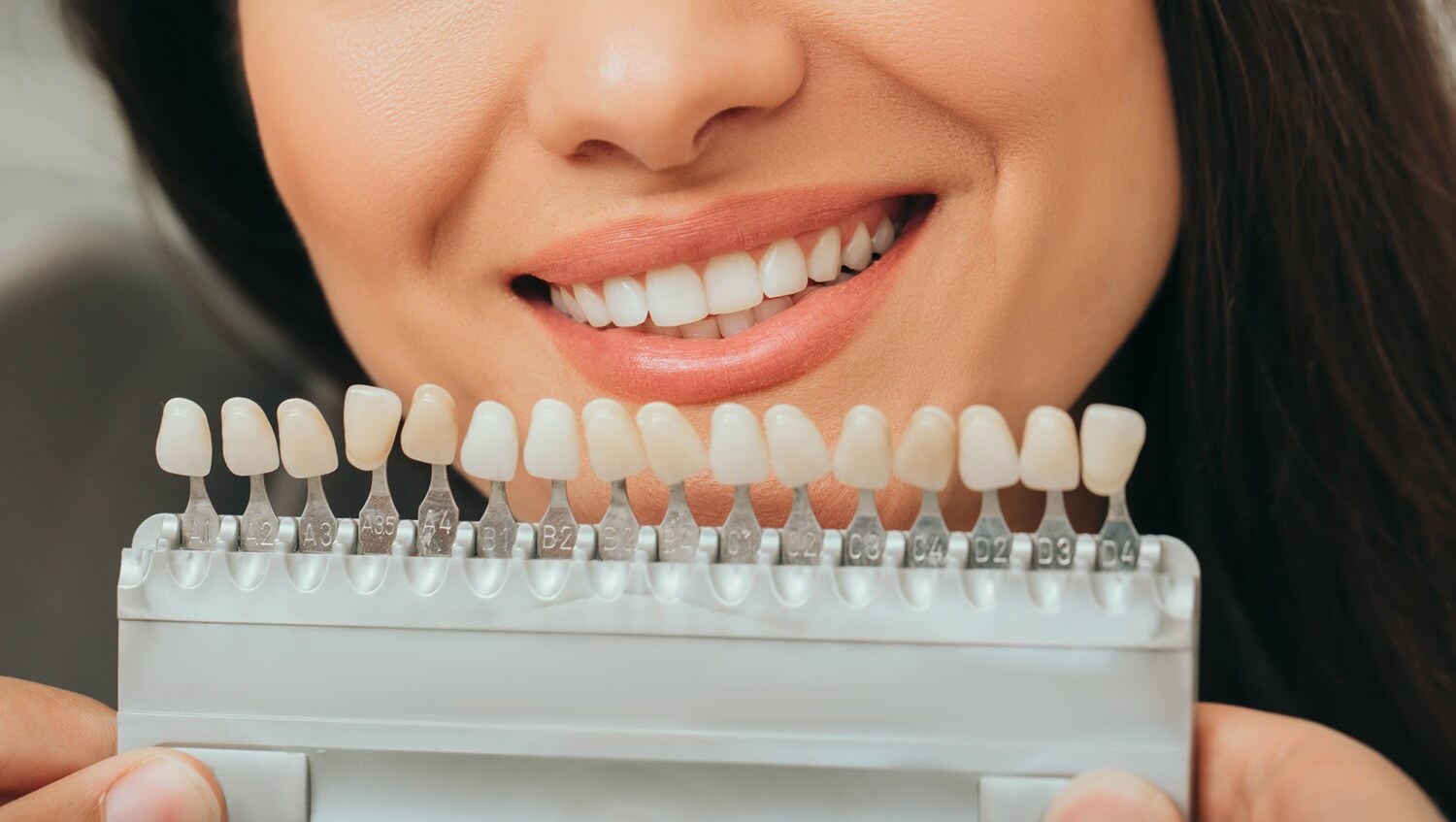
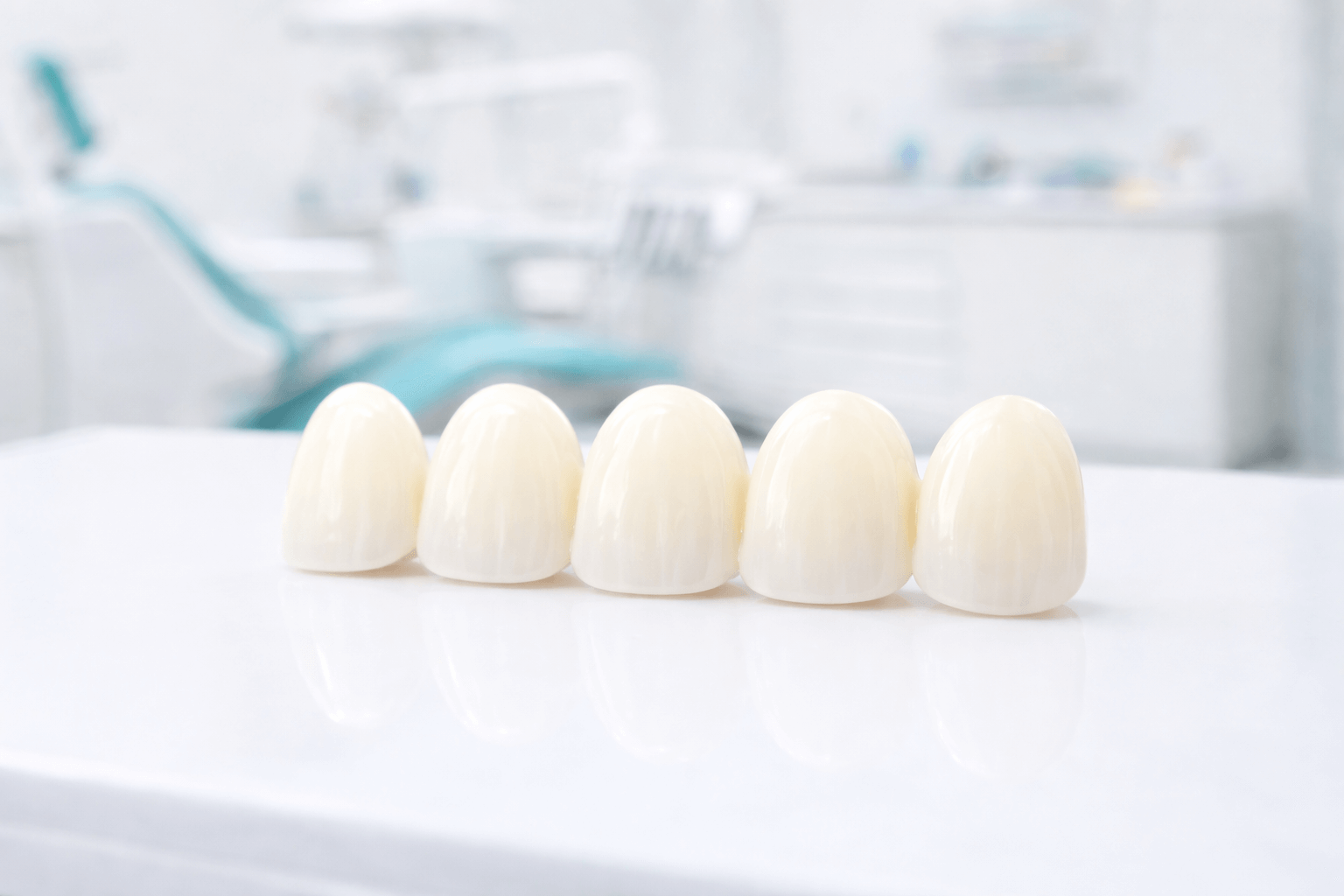
Porcelain veneers are fabricated in a dental laboratory and are bonded to the prepared tooth surface. They are custom-made to suit the individual’s smile and surrounding teeth.
Treatment generally involves multiple appointments, including preparation, impressions and final placement.
Composite veneers are applied directly to the tooth surface and shaped during a single appointment in many cases. They may be suitable for certain cosmetic concerns.
Your dentist will discuss whether porcelain or composite veneers are appropriate for your circumstances.
Before recommending veneers, your dentist will:
Alternative options may include teeth whitening, orthodontic treatment or crowns, depending on your needs.
In most cases, a small amount of enamel is removed from the front surface of the tooth to allow the veneer to fit naturally. This process is generally irreversible.
Temporary restorations may be placed while porcelain veneers are being fabricated.
Once the veneers are ready, they are assessed for fit and appearance before being bonded to the teeth.
Follow-up appointments may be required to monitor comfort and function.
Veneers may assist in:
1
Improving the appearance of tooth colour
2
Altering tooth shape or size
3
Addressing minor chips or surface irregularities
4
Enhancing overall smile aesthetics
Individual outcomes vary and depend on factors such as oral health, bite alignment and long-term maintenance.
Veneers require ongoing care and may need replacement over time.
Brunswick Dental Practice stands out for our exceptional veneer services, tailored to meet your individual needs.
Here’s what you can expect from veneer treatment at Brunswick Dental Practice
All Veneers are Customised by Us
Each is custom-made with care, aiming for a natural fit and appearance suited to your individual teeth.
Affordable Payment Options
We offer flexible payment plans to make veneers accessible to everyone.
We're Here If You Have Concerns
We encourage open communication and are available to discuss any concerns following your appointment.
Latest Digital Technology
We use advanced digital technology to create precise and durable veneers.
Join the many satisfied patients in Brunswick who have transformed their smiles with our expert veneer services. Contact us today to book a consultation and find out whether veneers may be a suitable option for you.
Veneers involve irreversible tooth preparation in many cases and may not be suitable for individuals with:
Potential risks may include:
Your dentist will discuss relevant risks based on your clinical situation.
To support the longevity of veneers:
Regular monitoring is important to assess the condition of veneers and surrounding gum health.
Veneers are considered a long-term treatment; however, they may need replacement over time due to wear, damage or changes in oral health. Tooth preparation performed for veneers is usually irreversible.
Veneers are custom-made to match surrounding teeth in colour and shape. Appearance varies depending on individual preferences, tooth structure and treatment planning.
Local anaesthesia may be used during tooth preparation. Some patients experience temporary sensitivity following placement, which typically resolves. Your dentist will provide advice if symptoms persist.
The lifespan of veneers varies depending on material type, oral hygiene, bite forces and regular dental care. Routine check-ups allow your dentist to monitor their condition.
Not all patients are suitable candidates. A comprehensive assessment is required to determine whether veneers are appropriate or whether alternative treatments may be more suitable.
If you are considering dental veneers and would like to discuss whether they are suitable for you, please contact our Brunswick dental clinic.
Call 03 9386 7981 or use the online booking system via our website.
All treatment is provided by registered dental practitioners in accordance with Australian professional standards.