


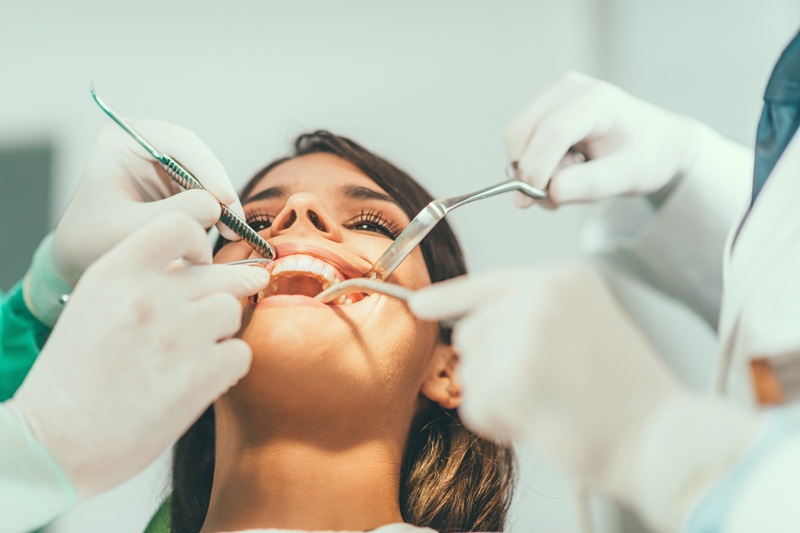
When it comes to maintaining a healthy smile, prevention plays a central role. While many people book a dental visit only when discomfort arises, routine appointments are designed to detect different dental problems before they become more complex.
In general dentistry, early detection allows concerns to be managed conservatively, often reducing the need for extensive treatment. A routine dental check-up is not just about cleaning your teeth; it is a comprehensive assessment of your oral health.
Let’s explore some of the most common dental problems that can be identified early during check-ups.
Why Routine Dental Check-Ups Matter
As mentioned, a routine dental is a comprehensive assessment of your oral health, where the check-up typically involves:
- A clinical examination of teeth and gums
- Assessment of existing fillings or restorations
- Checking bite alignment
- Screening for early tooth infection signs
- Oral cancer screening
- Professional cleaning to remove plaque and tartar build-up
- Dental X-rays (bitewing radiographs), where clinically indicated
According to the Australian Government’s Healthdirect, regular dental visits support early identification of oral health concerns and help maintain long-term dental health.
A simple dental checkup is basically an early intervention, which often means you may get simpler and more conservative treatment options before dental issues become severe.
Here are some of the common dental problems we, as dentists, see when you get your dental checkup.
Tooth Decay
Tooth decay does not always cause immediate pain. In its early stages, it may appear as small white spots or subtle enamel changes that are not visible without professional assessment.
During a check-up, your dentist examines for early signs of tooth decay, including:
- White, chalky spots on enamel
- Softened enamel
- Areas where plaque tends to accumulate
- Increased sensitivity to hot and cold drinks
- Changes detected through bitewing radiographs
In this research, early carious lesions were shown to be reversible when managed with preventive strategies such as fluoride therapy and improved oral hygiene. That’s why detecting decay early can sometimes prevent the need for fillings altogether.
Gum Disease (Gingivitis)
Gum disease (gingivitis) is one of the most common dental problems. It begins with inflammation of the gums caused by plaque accumulation along the gumline.
Signs your dentist may detect include:
- Redness or swelling
- Bleeding during brushing or flossing
- Gum tenderness
In its early stage, gingivitis is generally reversible with professional cleaning and improved home care. If left untreated, it may progress to more advanced periodontal disease.
Plaque and Tartar Build-Up
Even with good brushing habits, some areas of the mouth are difficult to clean thoroughly. Over time, plaque can harden into tartar (calculus), which cannot be removed by brushing alone.
During a professional cleaning, your dental practitioner removes:
- Plaque and tartar build-up
- Surface stains
- Accumulated bacteria around the gumline
This process reduces the risk of decay and gum disease and supports overall oral hygiene.
Enamel Erosion
Enamel erosion refers to the gradual wearing away of the outer tooth surface. It may be caused by:
- Acidic foods and drinks
- Gastric reflux
- Dry mouth
- Certain lifestyle factors
Early enamel erosion may not cause symptoms, but your dentist can detect subtle thinning or surface texture changes during examination.
The most common culprit for dental erosion is dietary acids from food, drinks and internal acids. It was shown in many studies that these acids contribute to progressive enamel loss when exposure is frequent.
Early detection allows preventive strategies to be implemented before significant structural damage occurs.
Cracked Tooth or Tooth Fractures
Small cracks are not always visible or painful. A cracked tooth / tooth fracture may be identified during examination through:
- Visual inspection
- Bite testing
- Dental X-rays
- Magnification tools
Catching fractures early can prevent further splitting or bacterial infiltration into the pulp of the tooth.
Tooth Wear from Grinding (Bruxism)
Tooth wear from grinding (bruxism) often occurs during sleep and may go unnoticed, unless it is pointed out by your partner. Your dentist may identify:
- Flattened chewing surfaces
- Small enamel chips
- Jaw muscle tenderness
- Hairline cracks
This research shows that bruxism is associated with progressive tooth wear and potential structural damage when unmanaged. If this continues and is left untreated, further damage may happen, which will also affect the structure of the tooth.
A custom night guard may be recommended for protection.
Early Tooth Infection Signs
Infections can sometimes develop without significant pain in the early stages. Dentists assess for:
- Deep decay near the nerve
- Changes visible on dental X-rays (bitewing radiographs)
- Sensitivity patterns
- Gum swelling
Identifying early tooth infection signs allows treatment to be planned before the infection progresses.
Oral Cancer Screening
An essential part of general dentistry is oral cancer screening. During your check-up, your dentist examines:
- The tongue
- Inner cheeks
- Roof and floor of the mouth
- Lips and surrounding tissues
They look for unusual lumps, sores, discolouration or tissue changes.
According to the World Health Organization, early detection significantly improves management outcomes for oral cancer. Screening for oral cancer is typically quick, non-invasive and part of routine preventive care. This is how important a dental checkup is.
Take a Proactive Step Towards a Healthier Smile
If it has been a while since your last dental visit, you are not alone, and it is never too late to prioritise your oral health. A routine check-up is a simple yet important step in identifying early changes before they develop into more complex dental problems.
If you’re looking for a general dental checkup in Brunswick, VIC, Brunswick Dental Practice focuses on thorough, personalised care. Your appointment may include a comprehensive examination, professional cleaning and tailored preventive advice based on your individual needs.
Book your appointment with our team for healthy smiles.
Frequently Asked Questions
Why are routine dental check-ups important?
Routine dental check-ups help detect dental problems early, often before symptoms develop. Early identification of concerns such as tooth decay, gum disease and enamel erosion can allow for more conservative and manageable treatment.
What dental problems can be found during a check-up?
During a routine dental check-up, your dentist may identify:
- Tooth decay
- Gum disease (gingivitis)
- Plaque and tartar build-up
- Enamel erosion
- Cracked teeth or tooth fractures
- Tooth wear from grinding (bruxism)
- Early tooth infection signs
- Abnormal tissue changes during oral cancer screening
Dental X-rays (including bitewing radiographs) may also be used when clinically necessary to detect issues not visible to the eye.
How often should I have a routine dental check-up?
The recommended frequency varies depending on your oral health status and risk factors. Many patients benefit from check-ups every six months, while others may require more or less frequent visits based on their dentist’s assessment.
Can early tooth decay be reversed?
In its early stages, tooth decay may sometimes be managed with preventive strategies such as fluoride application, improved oral hygiene and dietary adjustments. Once a cavity forms, restorative treatment may be required.
What happens during an oral cancer screening?
During an oral cancer screening, your dentist examines the tongue, cheeks, lips, floor and roof of the mouth for unusual lumps, sores, discolouration or tissue changes. The screening is typically quick and forms part of a routine dental examination.
Are dental X-rays safe?
Dental X-rays (including bitewing radiographs) are taken only when clinically indicated and follow radiation safety guidelines. They help detect decay between teeth, bone changes and early signs of infection that may not be visible during a visual examination.