


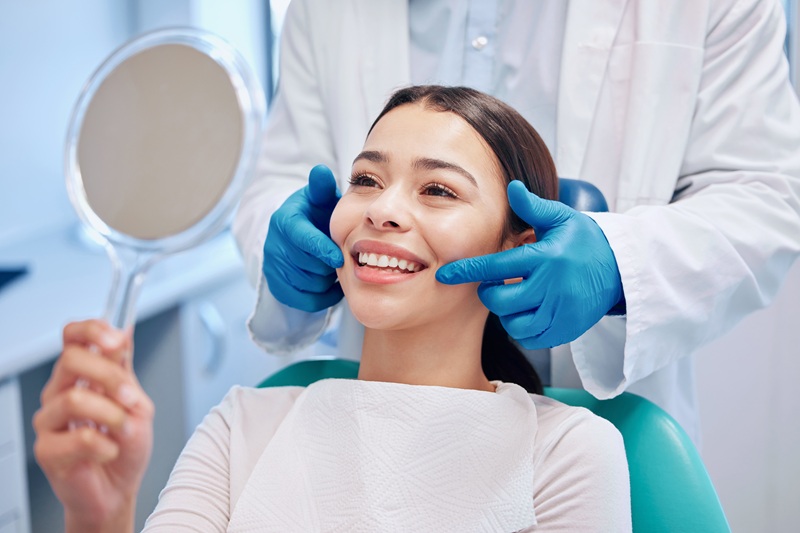
Dentistry is about anything related to your teeth’s health, but we sometimes forget that dentistry also involves the appearance of your teeth, gums and overall smile. While general dentistry prioritises oral health and function, cosmetic dentistry combines aesthetics with clinical expertise to enhance colour, shape, alignment and symmetry.
But what treatments does cosmetic dentistry involve, and what do they do for the teeth? Let’s take a look at each one of them to give you an idea on your next dental appointment. It’s important to consult with the dentist first to know if these treatments align with your goals and well-being.
Let’s get started!
What Is Cosmetic Dentistry?
Cosmetic dentistry refers to a range of cosmetic dentistry services designed to improve the visual aspects of your smile. This may involve whitening discoloured teeth, reshaping uneven edges, restoring chipped teeth, or improving alignment.
Although cosmetic treatments focus on appearance, they often provide functional benefits as well. For example, restoring worn or damaged teeth can help protect tooth structure, while clear aligners may improve bite alignment and make oral hygiene easier to maintain.
Common Cosmetic Dentistry Treatments
There are several cosmetic dentistry treatments available, depending on your goals and dental needs. Below is an overview of commonly performed procedures.
Professional Teeth Whitening
Professional teeth whitening is one of the most requested cosmetic dental treatments. Over time, teeth can become stained from coffee, tea, red wine, tobacco or natural ageing.
In-chair whitening procedures use clinically approved whitening agents to safely lighten tooth enamel under professional supervision. Compared to over-the-counter products, professional treatment allows controlled application and tailored care.
When opting for this treatment, make sure it is professionally supervised, as dentist-guided whitening is generally considered safe since dentists are trained and qualified to do the treatment.
Your dentist will also assess existing restorations, enamel condition and sensitivity risk before recommending whitening.
Dental Veneers
Dental veneers are thin shells bonded to the front surface of teeth to improve shape, colour and symmetry. They are often used as part of a smile makeover.
There are two main types:
Porcelain Veneers
Porcelain veneers are custom-made in a dental laboratory. They are known for their durability and natural appearance, as porcelain reflects light similarly to enamel.
Composite Veneers
Composite veneers are applied directly to the tooth using tooth-coloured resin. They may be completed in a single visit and can be reshaped or repaired if needed.
Depending on the damage to your teeth, research shows that minimally invasive veneer techniques to preserve tooth structure while improving aesthetics. However, suitability still depends on enamel health, bite alignment and long-term maintenance considerations.
Dental Bonding
Dental bonding uses composite resin to repair chipped, cracked or uneven teeth. It can also close small gaps or reshape teeth.
This treatment is generally conservative, as it often requires minimal removal of natural tooth structure. Dental bonding may be recommended for minor cosmetic concerns or as an interim solution.
Dental Crowns for Front Teeth
Dental crowns (front teeth) may be recommended when a tooth is significantly damaged, worn or heavily restored. The use of a crown is to cover the entire visible portion of the tooth, restoring strength, shape and appearance.
Modern ceramic crowns are designed to blend naturally with surrounding teeth. At Brunswick Dental Practice, we offer three types of crowns, namely porcelain-fused-to-metal, full porcelain/ceramic and zirconia crowns.
To know which one is best, your dentist will have to assess you first, before offering you your options. That way, you will understand better whether a crown or a more conservative option, such as a veneer, is appropriate.
Clear Aligners (Including Invisalign)
Clear aligners / Invisalign are orthodontic systems designed to gradually straighten teeth using a series of custom-made, removable trays.
Unlike traditional braces, clear aligners are discreet and can be removed for eating and cleaning. Treatment planning is digitally mapped to guide gradual tooth movement.
According to research, clear aligner therapy can be effective for managing mild to moderate alignment concerns when carefully monitored. Orthodontic assessment and monitoring is essential to determine suitability and ensure healthy tooth movement.
Gum Contouring (Gum Reshaping)
Gum contouring / gum reshaping is a procedure that adjusts the gum line to improve balance and symmetry. Some individuals may feel their smile appears “gummy” or uneven due to excess gum tissue.
Careful reshaping can create a more proportionate appearance between teeth and gums. Treatment is planned conservatively to maintain periodontal health.
Is Cosmetic Dentistry Right for You?
While preventive dental treatments are important, not everyone requires cosmetic dental treatment. A thorough clinical examination is essential before proceeding with any aesthetic procedure.
Your dentist will evaluate:
- Tooth structure and enamel thickness
- Gum health
- Bite alignment
- Existing restorations
- Oral hygiene practices
Any underlying dental issues, such as decay or gum disease, must be managed first to ensure long-term stability of the teeth and the cosmetic dentistry treatment that may be done on you.
Besides, the Australian Government has promoted maintaining good oral hygiene and regular dental visits significantly to contribute to the longevity of dental restorations.
Discover What’s Possible for Your Smile
If you’ve been thinking about improving your smile, whether it’s brightening your teeth, smoothing chips, or closing small gaps, cosmetic dentistry may offer a range of options tailored to you.
The best first step to take is a personalised consultation, where your dentist will listen to what you’d like to change and assess your oral health. In Brunswick, VIC, you can visit our team at Brunswick Dental Practice to have your oral health assessed first and recommend cosmetic dentistry options that are appropriate for you.
Book a consult with us today.
Frequently Asked Questions
What is cosmetic dentistry?
Cosmetic dentistry focuses on improving the appearance of your teeth, gums and overall smile. It includes treatments that enhance colour, shape, alignment and symmetry while maintaining oral health and function.
What treatments are included in cosmetic dentistry?
Common cosmetic dentistry treatments include:
- Professional teeth whitening
- Dental veneers (porcelain and composite)
- Dental bonding
- Dental crowns for front teeth
- Clear aligners, including Invisalign
- Gum contouring or gum reshaping
This may vary depending on the dental practice. Brunswick Dental Practice offers dental crowns and bridges, dentures, implants, teeth whitening, and veneers. Your dentist will recommend suitable options based on your dental condition and goals.
Is cosmetic dentistry only about appearance?
While cosmetic dentistry primarily improves aesthetics, many treatments also support function. For example, dental crowns can strengthen weakened teeth, and clear aligners may improve bite alignment, making cleaning easier and supporting long-term oral health.
How do I know which cosmetic dental treatment is right for me?
A comprehensive consultation is essential. Your dentist will assess:
- Tooth structure and enamel thickness
- Gum health
- Bite alignment
- Existing restorations
- Oral hygiene habits
Based on this assessment, they will discuss suitable cosmetic dentistry services that align with your goals and overall oral health.
Are cosmetic dentistry treatments safe?
When performed by a qualified dentist and following proper assessment, cosmetic dental treatments are generally considered safe. Professional supervision is particularly important for procedures such as teeth whitening and orthodontic treatment to ensure appropriate case selection and monitoring.
How long do cosmetic dental treatments last?
The longevity of cosmetic dentistry treatments depends on the type of procedure, oral hygiene practices and regular dental care. Maintaining good oral hygiene and attending routine dental check-ups can help extend the lifespan of restorations.