


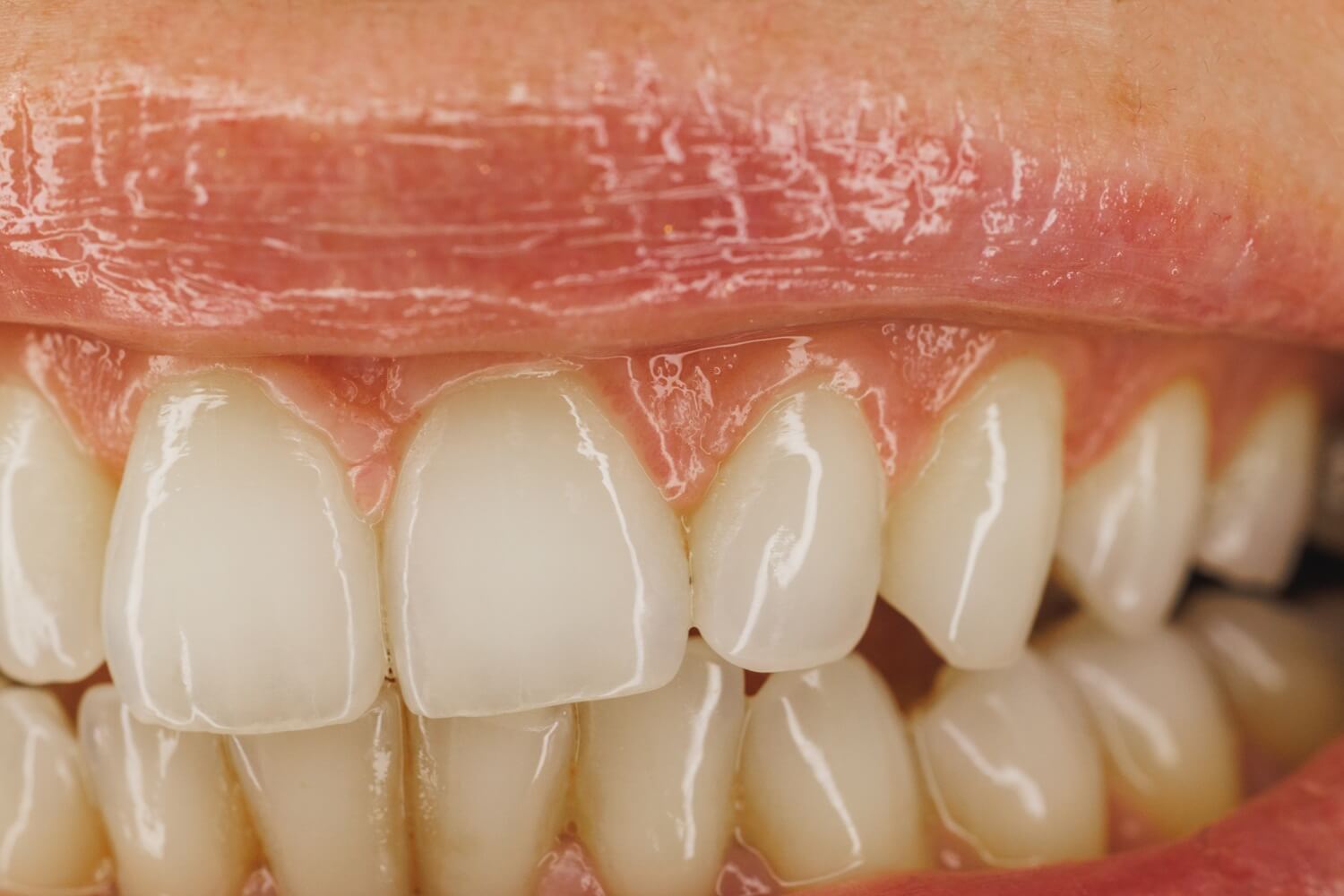
Bleeding when you brush. Slight tenderness along the gumline. A dentist mentioning “pocketing” at your last visit. These early warning signs often go unnoticed until they progress into something more serious, but they’re also the point at which gum disease treatment tends to be most effective.
The good news is that treatment options exist for every stage, from mild inflammation right through to advanced periodontitis. According to Healthdirect, early gum disease can often be reversed with the help of your dental team, while more advanced forms can typically be controlled with the right ongoing care.
In this article, we’ll walk through the main gum disease treatment options available in Australia, so you can understand what each stage involves and what may be recommended in your circumstances.
Understanding the Stages of Gum Disease
The stages of gum disease exist on a spectrum. In its earliest form, it’s called gingivitis, where the plaque and bacteria build up along the gumline and cause inflammation.
Common early signs may include:
- Redness or swelling around the gumline
- Bleeding gums when brushing or flossing
- Tenderness or a slightly puffy appearance
- Persistent bad breath that doesn’t resolve with brushing
If gingivitis isn’t addressed, it can progress to periodontitis, a more serious condition where the bone and tissue supporting the teeth begin to break down. Pockets form between the teeth and gums, allowing bacteria to accumulate below the surface. Over time, this can lead to loose teeth or tooth loss.
For a closer look at how each stage differs, our article on the types of gum disease explains the progression in more detail.
What is Periodontal Treatment?
Periodontal treatment refers to the range of dental care aimed at treating gum disease, whether that’s early inflammation or more advanced periodontitis.
The main goals of periodontal treatment include:
- Removing the bacteria, plaque, and tartar driving the disease
- Allowing the gums to heal and reattach to the tooth
- Protecting the underlying bone that supports your teeth
- Reducing pocket depths so the mouth is easier to clean at home
- Preventing progression to more advanced stages
Beyond the mouth, there is a growing body of research on the gum disease and heart disease link, with some studies suggesting a connection between chronic gum inflammation and broader health concerns. This is one reason why gum health doesn’t only affect the dental section, but can also influence overall wellbeing.
Scale and Clean: The Foundation of Gum Disease Care
For most patients, treatment begins with a professional scale and clean teeth appointment, or what is sometimes called a dental scale and polish.
A typical teeth scale and clean involves:
- Removing plaque from the tooth surfaces
- Scaling away hardened tartar above and just below the gumline
- Polishing the teeth to smooth away surface stains
- Assessing gum health and identifying early warning signs
This procedure is often the first line of gingivitis treatment in Australia because it directly targets the bacteria causing early inflammation. When followed by good home care, gingivitis is often reversible within a few weeks. Our guide on why regular teeth cleaning matters explores how often this should happen.
A scale and clean isn’t only reactive. Even without symptoms, having your teeth cleaned professionally at regular intervals is one of the most reliable ways to prevent gum disease from developing in the first place.
Scaling and Root Planing: Deep Dental Cleaning for Early Periodontitis
When gum disease has progressed past gingivitis, a standard scale and clean may no longer reach far enough below the gumline. In these cases, a more thorough procedure known as scaling and root planing may be recommended.
This form of deep dental cleaning typically involves:
- Cleaning below the gumline to reach the surfaces of the tooth roots
- Removing plaque and tartar that have built up in deeper pockets
- Smoothing the root surfaces so bacteria find it harder to reattach
- Numbing the area with local anaesthesia where needed for comfort
The procedure is usually completed over one or more visits. Following treatment, patients are monitored closely to check that pocket depths are reducing and inflammation is settling.
Periodontal Therapy Treatment for Advanced Cases
For more established disease, ongoing periodontal disease treatment is often needed to stabilise the condition and prevent further bone loss.
Periodontal therapy treatment may include:
- Repeat deep cleaning sessions to manage bacteria in existing pockets
- Targeted bleeding gums treatment to reduce inflammation
- Antimicrobial rinses or gels to support gum healing
- Surgical procedures in some cases, to reduce pocket depths or regenerate lost tissue
- A tailored maintenance program to keep the condition stable long term
At this stage, dental care usually involves closer coordination between your dentist and, where appropriate, a periodontist.
Many patients also ask about seeing a periodontist vs dentist for gum disease. If you’re looking to get treatment and a dentist is the only one available for your early and moderate case, a general dentist can typically manage treatment, while more advanced or complex cases may benefit from specialist input.
When a Periodontal Abscess Requires Urgent Care
A periodontal abscess and periodontitis are quite different from one another. A periodontal abscess is a localised, painful infection that can develop in an existing gum pocket. Signs to watch for include:
- Throbbing, persistent pain in a specific area of the gum
- Swelling around the affected tooth
- A bad taste in the mouth or discharge from the gum
- Sensitivity when chewing or biting down
Because the infection can spread if left untreated, an abscess is generally considered a dental urgency. If you’re curious about the periodontal abscess treatment cost, the procedure may vary depending on different factors, like how established the infection is, whether drainage is needed, and what follow-up periodontal care is required.
A consultation is required to provide an accurate estimate based on your individual situation.
Comparing Gum Disease Treatment Options at a Glance
| Stage | Typical Treatment | What It Involves |
| Gingivitis (early) | Scale and clean | Removal of plaque and tartar; often reversible |
| Early periodontitis | Scaling and root planing | Deeper cleaning below the gumline |
| Moderate to advanced periodontitis | Periodontal therapy treatment | Repeat deep cleaning; sometimes surgical intervention |
| Periodontal abscess | Urgent drainage and cleaning | Infection control; follow-up periodontal care |
Take Control of Your Gum Health Today
Whether you’ve noticed the earliest signs of bleeding gums or you’ve been told your gum disease is more advanced, the sooner treatment begins, the more options you tend to have. A consultation is required to determine which approach may suit your situation.
If you’re looking to have better oral health with a dental check-up and clean, our team at Brunswick Dental Practice can walk you through what to expect at each stage.
Book a consultation to discuss your gum disease treatment options with our team.
Frequently Asked Questions
Can gum disease be reversed?
Gingivitis, the earliest form of gum disease, can often be reversed with a scale and clean and good home care. Periodontitis is the more advanced form that cannot be fully reversed, but it can generally be controlled and stabilised with ongoing periodontal disease treatment.
How often should I have a scale and clean to prevent gum disease?
For most patients, a scale and clean every six months is a common recommendation. Some patients with a history of gum disease may benefit from more frequent visits, and your dentist can advise you based on your individual oral health.
What is the difference between a scale and clean and scaling and root planing?
A scale and clean removes plaque and tartar from the visible tooth surfaces and just below the gumline. Scaling and root planing goes further by cleaning the surfaces of the tooth roots beneath the gum and smoothing them to help the gums reattach.
Is periodontal treatment painful?
Most patients tolerate scale and clean appointments well with little to no discomfort. For deeper procedures such as scaling and root planing, the area is often numbed with local anaesthesia to minimise discomfort during treatment.