


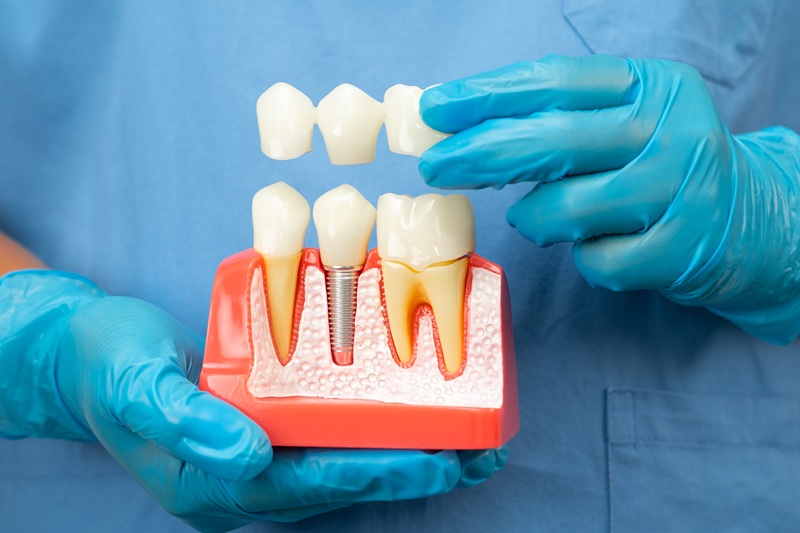
Dental crowns and bridges are common treatments used to restore damaged or missing teeth. They help improve how teeth look, feel, and function when chewing or speaking. If you have been told you may need dental crowns and bridges, that may mean many reasons and understanding the materials used can help you feel more informed before treatment.
The materials used in crown and bridge dental treatment have different features, and each one is suited for a certain situation. Let’s take a look at this dental crowns and bridges information, which explains the common materials used and the situations when each option may be considered.
What Are Dental Crowns and Bridges?
Dental crowns and bridges are known to restore and protect the remaining tooth structure. However, they still differ in some ways. A dental crown is a cap placed over a damaged or weakened tooth to restore its shape, size, and strength.
On the other hand, a dental bridge is used to replace one or more missing teeth by anchoring an artificial tooth to nearby teeth or crowns.
Why Material Choice Matters
Because dental crowns and bridges can last long depending on how one maintains them, the material used for crowns and bridges matters because it can affect:
- Appearance
- Strength and durability
- How the crown or bridge feels in the mouth
- Suitability for different parts of the mouth
A dentist can help you give more details for each one. They will consider your oral health, bite, and personal needs before recommending treatment.
Common Materials Used for Dental Crowns and Bridges
Different materials are used for dental crowns and bridges depending on where the tooth is located, how much biting force it handles, and how important appearance is to the patient. Below is an overview of the most commonly used materials.
Porcelain (Ceramic) Crowns and Bridges
Porcelain, also known as ceramic, is often chosen because it closely matches the colour of natural teeth. This makes porcelain crowns and bridges a common option for front teeth, where appearance is important.
Ceramic materials are said to provide good aesthetic results, which is why they are commonly used in areas of the mouth where a natural look is a priority.
While porcelain offers a natural appearance, it may not always be the best choice for areas that experience strong biting forces, such as back teeth. A dentist will assess whether porcelain is suitable based on tooth position and bite.
Porcelain-Fused-to-Metal (PFM)
Porcelain-fused-to-metal crowns are made with a metal base covered by a porcelain outer layer. This design aims to combine the strength of metal with the appearance of porcelain.
This study shows that PFM crowns provide reliable strength while still offering acceptable aesthetics for many patients. However, one possible limitation is that, over time, the metal underneath may become visible near the gum line, especially if the gums recede. Because of that, it may affect appearance in some cases.
Zirconia Crowns and Bridges
Zirconia crowns are a strong ceramic material that has become more common in modern dentistry. These are often used in areas of the mouth that require extra strength, which is why they are typically used in molars.
Zirconia restorations show high strength and good resistance to wear, making them suitable for heavier biting forces. Now, newer zirconia materials have also been developed to improve their appearance, allowing them to look more natural than earlier versions.
Metal Crowns and Bridges
Metal crowns are usually made from gold alloys or other dental metals, and are widely known for their durability and long wear. Aside from that, metal restorations were shown to require less removal of natural tooth structure and perform well under chewing pressure.
Because of their metallic colour, they are generally used in less visible areas of the mouth, like the back teeth.
How Crowns and Bridges Are Designed and Made
Crowns and bridges are carefully designed to fit the shape of your mouth and how your teeth come together when you bite. A good fit is important for comfort, function, and long-term oral health.
The process usually begins with an assessment by the dentist, followed by dental impressions or digital scans of your teeth. These records are used to create a precise scan of your restoration that matches your bite, tooth shape, and surrounding teeth as closely as possible.
Dental laboratories play an important role in this process, as well. Skilled technicians use the information provided by the dentist to design and make crowns and bridges with attention to detail and accuracy.
Which Material Is Best for You?
The truth is, there is no single “best” option for everyone. The most suitable material depends on:
- Tooth position
- Bite forces
- Gum health
- Aesthetic preferences
- Overall oral health
While people may search for the best dental crowns and bridges services, treatment decisions should always be based on clinical assessment rather than material alone. That is why a dental consultation is the best way to be guided with your options and guide your crown and bridge dental treatment based on your needs.
Making an Informed Choice About Crowns and Bridges
Understanding the materials used in dental crowns and bridges can help you feel more confident about treatment. Each option has benefits and limitations, and careful planning plays an important role in long-term outcomes.
Learning more dental crowns and bridges information allows you to ask informed questions and understand why certain materials may be recommended.
If you are considering crown and bridge dental treatment in Brunswick, a personalised consultation at Brunswick Dental Practice can help determine which option may be suitable for your oral health needs.
Book your consultation today to understand these materials better.
Frequently Asked Questions
What are dental crowns and bridges used for?
Dental crowns and bridges are used to restore damaged teeth or replace missing teeth. They help improve chewing, speaking, and protect remaining tooth structure.
Why does the material used for crowns and bridges matter?
The material affects how strong the crown or bridge is, how it looks, and where it can be placed in the mouth. A dentist considers your bite, oral health, and needs before recommending a material.
Are porcelain crowns better than metal crowns?
There is no single option that is best for everyone. Porcelain crowns are often chosen for their natural appearance, while metal crowns are known for strength and durability. Suitability depends on tooth position and bite forces.
What is zirconia used for in dental crowns and bridges?
Zirconia is a strong ceramic material commonly used for crowns and bridges, especially in back teeth. It is designed to handle higher biting forces and has improved in appearance over time.
How are crowns and bridges made?
Crowns and bridges are made using dental impressions or digital scans taken by the dentist. These are used by dental laboratories to design restorations that fit the bite and mouth shape accurately.
How long do dental crowns and bridges last?
The lifespan of crowns and bridges varies. Factors such as oral hygiene, bite forces, and regular dental care can affect how long they last. A dentist can provide guidance based on individual care needs.
How do I know which crown or bridge material is right for me?
The best way to choose a material is through a dental consultation. A dentist will assess your oral health and explain suitable options for your crown and bridge dental treatment.