


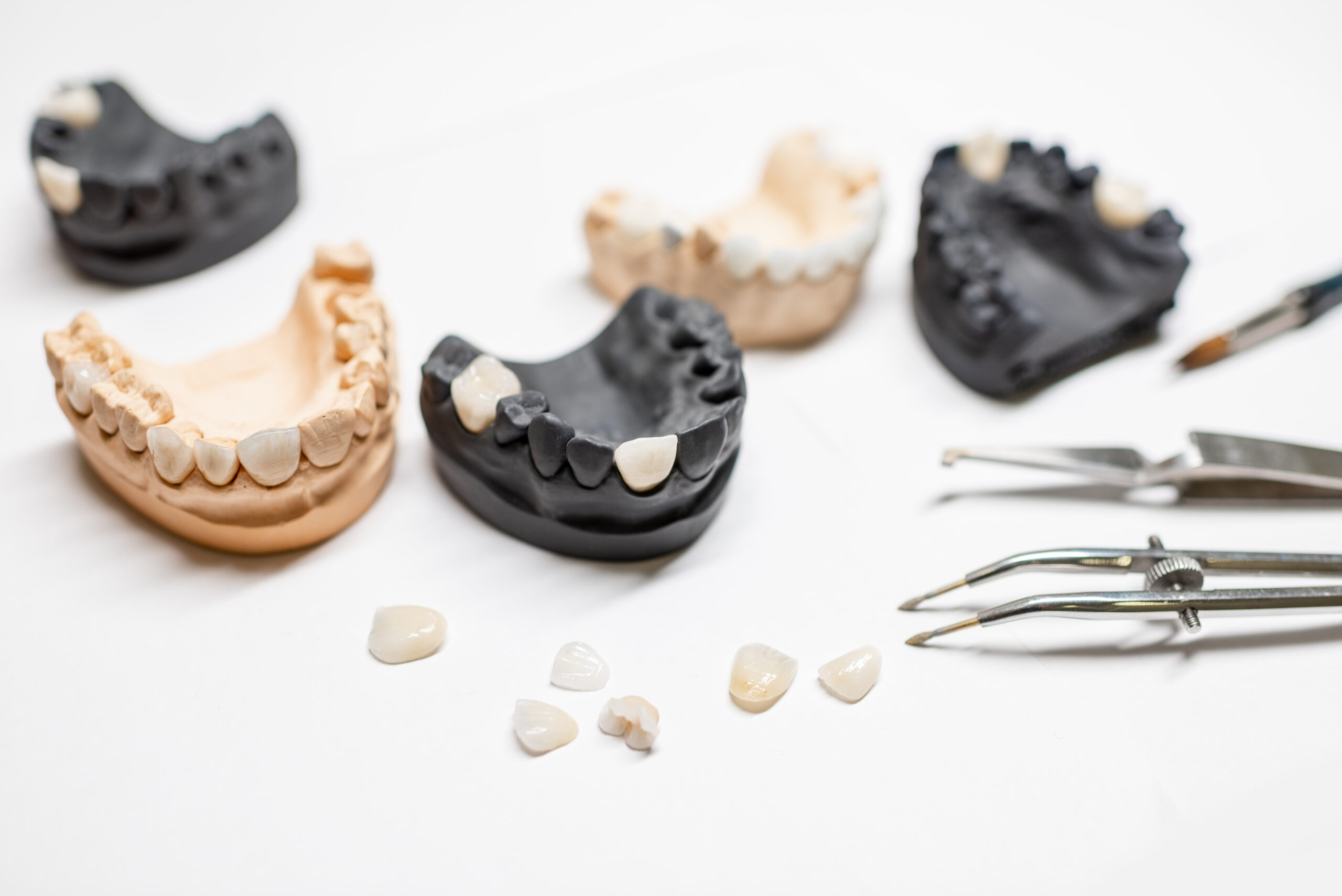
You had a damaged tooth treated, and the crown went on. Weeks later, you run your tongue over it, and the question pops up: how long do dental crowns last? It’s a fair question, and the next one is just as common: what can you do to protect it?
In this article, we’ll explain what shapes a crown’s lifespan and share simple care tips. We’ll also cover the signs it’s time to call us, so you can feel confident about your next steps.
How Long Does a Dental Crown Last?
So, how long do dental crowns last? There’s no single answer, and no dentist can promise an exact number of years. A dental crown is a custom-made cap that fits over a tooth. It can help protect the tooth and support how it looks and works.
If you’ve searched “how long do crowns last”, you’ve likely seen very different answers. That’s because every mouth is different, so one person’s crown may need attention sooner than another’s.
Our team at Brunswick Dental Practice looks at your crowns during routine check-ups. That lets us see how the crown and the tooth underneath are doing, and we’ll explain what we find.
What Affects How Long Dental Crowns Last?
According to Healthdirect, the chance of problems with a crown may depend on four things:
- How the tooth was prepared
- What the crown is made from
- How well the crown fits in your mouth
- How well you care for your teeth
Material is worth a closer look. The Australian Dental Association lists porcelain, zirconia, gold alloy, and a mix of porcelain and metal. Which option may suit you depends on your individual needs, and your dentist will explain the choices.
Habits matter too. The same association says clenching, grinding, and chewing ice may cause cracks in teeth. Crowns can chip or fracture as well, so it pays to know what puts extra strain on them.
Related: Everything You Need to Know About Dental Crowns in Brunswick, VIC
How a Crown Is Made and Fitted
Because preparation and fit both matter, it helps to know what happens at your visits. The Australian Dental Association says treatment often takes two appointments. At the first, your dentist shapes the tooth so there’s room for the crown. They then take an impression or a digital scan. A temporary crown covers the tooth while a dental technician makes the final one.
At the second visit, the final crown is cemented onto your tooth. Your dentist will explain what applies to your tooth, including how many visits to expect.
Care Tips to Protect Your Dental Crown
Good dental crown care comes down to a few simple habits. Here are seven that may help protect your crown:
- Brush twice a day with fluoride toothpaste. The Australian Dental Association recommends this for teeth with crowns, bridges, and veneers.
- Clean between your teeth every day. Floss or interdental brushes can help, and we’re happy to show you how to clean around your crown.
- Skip ice and other hard items. Avoid chewing ice, biting down on hard items such as olive seeds, or opening bottles and packets with your teeth.
- Ask about a mouthguard if you grind or clench. Teeth grinding, called bruxism, can crack or chip teeth, according to Healthdirect. A custom-made mouthguard may help protect them. You can read more in our guide to a mouthguard for grinding teeth.
- Keep up your regular check-ups. Healthdirect advises regular dental visits after a crown. Our check-up and clean appointments are a good time to review it.
- Watch your gums. Sore or swollen gums around a crown are a possible problem, so mention them at your next visit.
- Speak up about changes. If your crown feels loose, rough, or different when you bite, call us rather than waiting.
Grinding is easy to miss because it can happen during sleep. A bed partner may even be the first to notice the sound. Your dentist can also look for signs of tooth wear and damage at regular check-ups.
These habits are simple, but they look after the crown and the tooth underneath together.
Why the Tooth Under Your Crown Still Needs Care
It’s easy to assume a crowned tooth is fully protected. Healthdirect explains that the crown itself can’t decay, but the tooth underneath still can. The Australian Dental Association agrees that teeth with crowns can still be damaged by decay.
Because of this, cleaning your teeth and keeping your gums healthy really matters. Early detection may allow concerns to be managed more conservatively.
Signs Your Crown May Need Attention
Some changes are worth a call to your dentist. Healthdirect lists these possible problems with crowns:
- The crown coming loose, chipping, cracking, or falling off
- Pain or trouble chewing if the crown doesn’t fit well
- Sore or swollen gums around the crown
- The tooth under the crown breaking
- Decay around or under the crown
If you notice any of these, book a visit with our team. We can look at the crown and the tooth underneath, then talk through your options. Sometimes a crown needs replacing. The Australian Dental Association says crowns can chip, fracture, or stop matching your other teeth. Whether dental crown replacement suits you depends on an individual assessment.
Protecting Your Crown Starts with Everyday Habits
Back to the question that brought you here: how long do dental crowns last? No one can say exactly, because it depends on the tooth, the material, and how you care for it. Brushing, cleaning between your teeth, and avoiding hard items may all help protect your crown. Regular check-ups can help look after the tooth beneath it too.
Our team at Brunswick Dental Practice offers dental crowns for patients in Brunswick West, Brunswick East, and Coburg.
If you’d like us to check your crown, book a consultation online or call (03) 9386 7981. We’re on Sydney Road, and Saturday appointments are available.
Frequently Asked Questions
Can a Tooth Under a Crown Still Get Decay?
Yes. According to Healthdirect, the crown itself can’t decay, but the tooth underneath still can. Cleaning your teeth, keeping your gums healthy, and attending regular check-ups all matter.
How Often Should Dental Crowns Be Replaced?
There’s no set schedule. The Australian Dental Association says a crown may need replacing if it chips, fractures, or stops matching your other teeth. Your dentist can assess yours at a check-up.
What Should I Do If My Crown Feels Loose or Falls Off?
Call our team as soon as you can so we can look at the crown and the tooth underneath. Healthdirect lists a loose or fallen crown among the possible problems with crowns. We’ll talk you through your options after an assessment.
Do Dental Crowns Need Special Cleaning?
The Australian Dental Association advises brushing twice a day with fluoride toothpaste and cleaning between your teeth every day. If you’re unsure how to clean around your crown, our team can show you.
Disclaimer: The content provided on this website is intended for general informational purposes only. It is not intended to be a substitute for professional advice tailored to your specific needs and circumstances. Any reliance you place on the information provided in these blogs is, therefore, strictly at your own risk. We shall not be held responsible for any loss or damage resulting from the use of the information provided on this website.
