


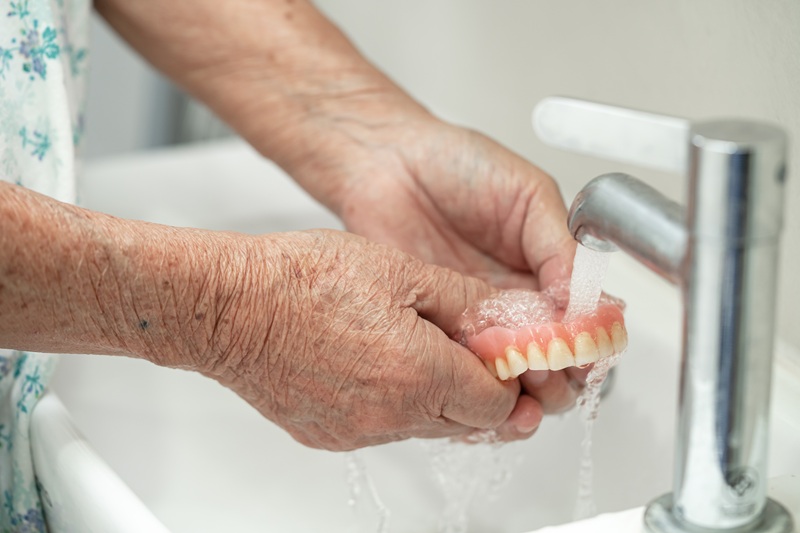
Dentures are designed to replace missing teeth and help with everyday activities like eating and speaking. However, wearing dentures also means paying attention to daily care. Oral hygiene with dentures is not only about cleaning the appliance itself, but also about caring for your mouth, gums, and any remaining natural teeth.
Good denture hygiene can help reduce irritation, bad breath, and infections. Let’s take a look at why denture care matters, provide clear denture hygiene instructions, and outline simple steps to support long-term oral health.
Why Oral Hygiene With Dentures Is Important
Some people believe that once they wear dentures, oral hygiene is no longer as important. This is not true.
Even without natural teeth, bacteria can still build up in the mouth and on dentures, which may lead to gum problems, infections, and discomfort. That is why keeping your oral hygiene in top shape helps in making sure you still enjoy the benefits of your dentures along with your natural teeth.
Good oral hygiene denture care helps:
- Keep gums and soft tissues healthy
- Reduce the risk of mouth infections
- Improve comfort when wearing dentures
- Help dentures last longer
Understanding Denture Hygiene
Dentures, although made from materials that are safe, can still collect food particles, plaque, and bacteria, just like natural teeth. If they are not cleaned properly, this build-up can cause problems.
Research shows that poor denture hygiene was linked to inflammation of the gums and a higher risk of denture-related mouth infections. Some of these infections can lead to denture stomatitis, gum infection and even tooth decay on remaining teeth.
This shows why denture hygiene is an important part of daily oral care.
Daily Denture Hygiene Instructions
Clean Your Dentures Every Day
Dentures should be cleaned daily to remove food and plaque. Use a soft denture brush and a cleaner designed for dentures. Regular denture cleaning helps reduce harmful bacteria on dentures and supports healthier oral tissues.
When cleaning, avoid using regular toothpaste, as it may be too abrasive and damage the denture surface. Use denture cleaning creams, gels, or pastes made specifically for dentures. They are gentler than regular toothpaste and designed to remove food particles, plaque, and bacteria without damaging the denture surface.
Rinse After Meals
Rinsing dentures with water after meals can help remove food particles and reduce bacteria build-up. This simple step supports better oral hygiene with dentures throughout the day.
Clean Your Mouth, Not Just Your Dentures
Even if you wear full dentures, your mouth still needs care. Gently brush your gums, tongue, and the roof of your mouth with a soft toothbrush. Ensuring you clean your mouth not only helps remove bacteria but also improves comfort when wearing dentures.
If you have partial dentures, it is important to brush and floss your remaining natural teeth as advised by your dentist.
Soaking Dentures Overnight
Many dentures need to be kept moist when not in use. Oral dentures should usually be soaked overnight in water or a denture-soaking solution, unless your dentist advises otherwise.
Soaking helps maintain the shape of dentures and supports cleanliness. Always follow your dentist’s specific denture hygiene instructions, as soaking needs can vary.
Common Denture Hygiene Mistakes to Avoid
Some daily habits may seem harmless, but can slowly damage dentures or affect oral health. Avoiding these common mistakes can help keep dentures comfortable and in good condition.
Using Hot or Boiling Water
Hot water can change the shape of dentures. Even slight warping may affect how dentures fit and feel in the mouth.
Skipping Daily Cleaning
Dentures need to be cleaned every day. Skipping cleaning can allow plaque and bacteria to build up, which may lead to irritation, bad breath, or infection.
Wearing Dentures Overnight Without Advice
Wearing dentures all the time may increase the risk of gum irritation and infection. Dentists often recommend removing dentures at night unless advised otherwise.
Using Bleach or Harsh Household Cleaners
Using bleach and strong cleaning products can damage denture materials and irritate the mouth. They may also change the colour of dentures.
Improper denture cleaning methods can increase wear on dentures and irritation of oral tissues, which is why ensuring good denture cleaning practices helps you enjoy your dentures for a long time.
Signs Your Dentures or Mouth Need Attention
It is important to notice changes in how your dentures feel or how your mouth looks. Early attention may help prevent discomfort or further problems.
You should speak with a dentist if you experience:
- Sore or swollen gums
- Mouth ulcers that do not heal
- Bad breath that does not improve with cleaning
- Loose or uncomfortable dentures
Also, regular dental check-ups are still important for people who wear dentures. These visits help monitor oral health and the condition of dentures over time.
Taking Care of Your Dentures and Oral Health
Good oral hygiene with dentures plays an important role in comfort, oral health, and the long-term condition of your appliance. Daily cleaning, careful handling, and regular dental check-ups all help support a healthy mouth.
Understanding proper denture hygiene instructions can make caring for dentures easier and more effective. If you wear dentures or are considering them, professional guidance can help ensure your mouth and dentures are cared for correctly.
If you would like advice about dentures, denture care, or oral hygiene, the team at Brunswick Dental Practice can provide clear information during a consultation.
Contact our team to discuss your concerns and learn how to care for your mouth and your dentures with confidence.
Frequently Asked Questions
Why is oral hygiene important if I wear dentures?
Even without natural teeth, bacteria can still build up on dentures and in the mouth. Good oral hygiene with dentures helps reduce irritation, infections, and discomfort.
How often should dentures be cleaned?
Dentures should be cleaned every day. Daily cleaning helps remove food particles, plaque, and bacteria that may build up on the denture surface.
What should I use to clean my dentures?
Dentures should be cleaned using a soft denture brush and a cleaner designed specifically for dentures. Regular toothpaste is not recommended, as it may scratch the denture surface.
Should I clean my mouth if I have full dentures?
Yes. Even with full dentures, it is important to gently clean the gums, tongue, and roof of the mouth. This helps reduce bacteria and improves comfort when wearing dentures.
Is it okay to wear dentures overnight?
Wearing dentures overnight may increase the risk of gum irritation and infection. Dentists often recommend removing dentures at night unless advised otherwise.
When should I see a dentist about my dentures?
You should speak with a dentist if your dentures feel loose, cause pain, or if you notice sore gums, mouth ulcers, or ongoing bad breath. Regular dental check-ups are still important for people who wear dentures.
Oral dentures should usually be soaked overnight in water or a denture-soaking solution, unless your dentist advises otherwise. Soaking helps maintain the shape of dentures and supports cleanliness. Always follow your dentist’s specific denture hygiene instructions, as soaking needs can vary.