


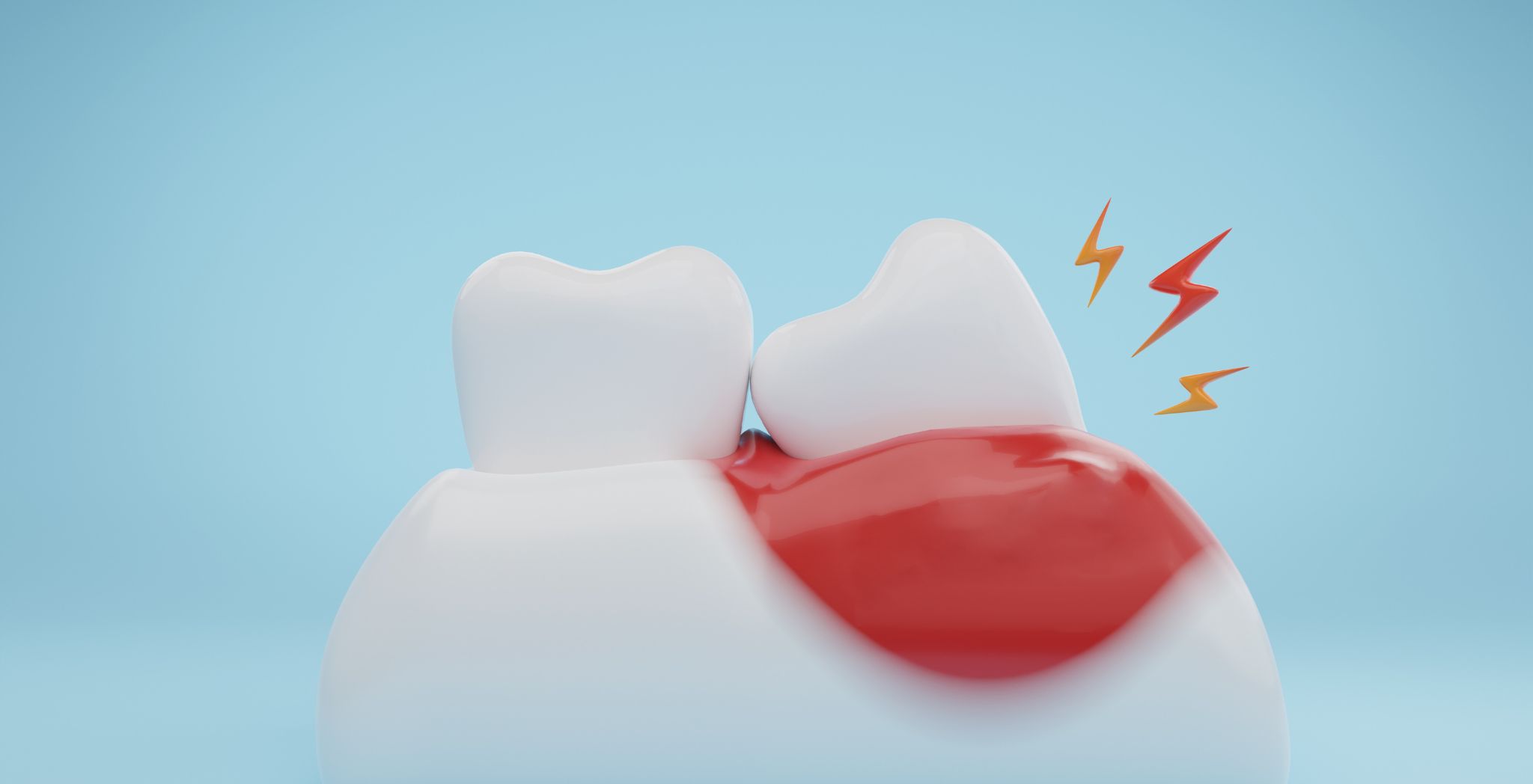
Are your gums red, swollen, or bleeding? Do you sometimes notice a bad taste in your mouth even after brushing? These could be signs of gum disease, a common problem that many people don’t take seriously enough. But healthy gums are super important for a healthy mouth and even a healthy body!
Think of your gums like the foundation of a house. The house won’t stand strong for long if the foundation is weak. Similarly, if your gums aren’t healthy, your teeth won’t have the strong support they need. This can lead to serious problems, including losing your teeth.
In this friendly guide, we’ll discuss the types of gum disease and break it down into simple steps so you can understand what’s happening in your mouth and how to keep your smile looking its best.
What Is Gum Disease?
Okay, let’s start with the basics. Gum disease is a silent problem that affects the tissues around your teeth. It happens when sticky stuff called plaque builds up on your teeth. Plaque is full of tiny germs (bacteria). If you don’t clean this plaque away regularly, it hardens into something called tartar (also known as calculus).
Plaque and tartar irritate your gums, making them red, swollen, and sometimes bleed easily. This irritation can get worse over time, slowly damaging the bone that holds your teeth in place.
The good news is that gum disease often starts slowly, giving you a chance to stop it before it gets serious.
Types of Gum Disease
Type 1: Gingivitis — The Early Stage
This is the very first stage of gum disease, and it’s quite common. The good news is that Gingivitis is also the easiest to fix!
What Happens With Gingivitis?
- Red, swollen gums: Your gums might look puffier and redder than usual.
- Bleeding gums: You might notice a little blood when you brush your teeth or floss. Don’t ignore this! It’s a key sign.
- Mild tenderness: Your gums might feel a bit sore.
- Bad breath: The bacteria causing gingivitis can also lead to bad breath.
Why Does It Happen?
Gingivitis is almost always caused by not brushing and flossing well enough. When plaque stays on your teeth near the gum line, the bacteria in the plaque release toxins that irritate your gums.
Can It Be Fixed?
Absolutely! If you catch gingivitis early, it’s usually reversible. This means you can get your gums back to being totally healthy. How? By simply improving your brushing and flossing habits and going for a professional cleaning at your dentist Brunswick or dentist Northcote. Your dental team at Brunswick Dental Practice will clean away the plaque and tartar that you can’t remove yourself.
Type 2: Periodontitis — Moderate to Advanced Disease
If gingivitis isn’t treated, it can get worse and turn into a more serious form of gum disease called Periodontitis. This is where things get a bit more concerning because periodontitis starts to damage the bone and tissues that hold your teeth in place.
What Happens With Periodontitis?
With periodontitis, the problems you saw with gingivitis get much worse, and new issues appear:
- Gums pull away from teeth (receding gums): Your gums might start to shrink, making your teeth look longer. This also creates “pockets” between your teeth and gums.
- Deep pockets: These pockets are like little traps where food and bacteria can hide, making the problem even worse.
- Pus between teeth and gums: You might notice pus, which is a sign of infection.
- Loose teeth: As the bone holding your teeth gets damaged, your teeth can start to feel wobbly.
- Changes in how your teeth fit together: Your bite might feel different.
- Persistent bad breath or bad taste: These get worse than with gingivitis.
- Tooth loss: In advanced stages, teeth can become so loose that they fall out or need to be pulled by a dentist.
Why Does It Happen?
Once gingivitis progresses to periodontitis, the body’s own immune system, trying to fight off the bacteria, actually starts to break down the bone and connective tissue that support your teeth. It’s a bit like a fire burning down your house, even though the fire department is trying to put it out.
Can It Be Fixed?
Unlike gingivitis, the damage from periodontitis (like bone loss) usually can’t be fully reversed. However, it can be managed and controlled to stop it from getting worse and to save your teeth. Treatment for periodontitis is more involved and might include deep cleanings (called scaling and root planing), medications, and sometimes even surgery.
Aggressive Periodontitis vs Chronic Periodontitis
When we talk about the stages of gum disease, periodontitis itself has different forms:
- Chronic Periodontitis: This is the most common type. It usually develops slowly over many years and is often linked to poor oral hygiene. It can happen at any age, but is more common in adults. The main thing is that the destruction of bone and tissue happens slowly.
- Aggressive Periodontitis: This is a less common but more severe form of periodontitis. It can happen in people who are otherwise healthy and often affects younger individuals. The main difference is that the destruction of bone and tissue happens much more quickly and aggressively. It can lead to rapid tooth loss if not treated very quickly.
It’s important for your dentist to figure out which type you have, as the treatment approach might be slightly different.
Necrotising Periodontal Disease — What You Should Know
This is a very serious and rare type of gum disease. Necrotising periodontal disease (also sometimes called “trench mouth”) is characterised by the sudden onset of painful, bleeding gums, severe bad breath, and open sores (ulcers) on the gums.
What Happens With Necrotising Periodontal Disease?
- Sudden, severe pain: Gums are extremely painful.
- Bright red, swollen gums: They might have a grey film over them.
- Bleeding gums: Often very easily and without much touching.
- Foul smell: A very strong, unpleasant odour from the mouth.
- Open sores (ulcers): These can form on the gums.
- Fever and feeling unwell: You might also feel generally sick.
Why Does It Happen?
This type of gum disease is usually seen in people with weakened immune systems (e.g., due to stress, poor nutrition, smoking, or certain medical conditions like HIV/AIDS). The bacteria cause tissue death (necrosis) in the gums.
Can Gum Disease Kill You?
While gum disease itself doesn’t directly kill you in the way a heart attack might, serious gum disease can have a big impact on your overall health. The bacteria from your gums can enter your bloodstream and travel to other parts of your body. This has been linked to other serious health problems, including:
- Heart disease: Gum disease might increase your risk of heart attacks and strokes.
- Diabetes: It can make it harder to control blood sugar levels in people with diabetes.
- Respiratory diseases: Bacteria from the mouth can be breathed into the lungs, leading to conditions like pneumonia.
- Pregnancy complications: It’s linked to premature birth and low birth weight in babies.
So, while it’s not a direct killer, neglecting gum disease can definitely hurt your overall health and well-being.
Causes and Risk Factors for Gum Disease
While plaque and tartar are the main culprits, several other things can increase your chances of getting gum disease:
- Poor Oral Hygiene: This is the biggest one! Not brushing and flossing properly allows plaque and tartar to build up.
- Smoking or Vaping: Smokers are much more likely to get severe gum disease and respond less well to treatment. It weakens your immune system and affects blood flow to your gums.
- Genetics: Some people are just more prone to gum disease because of their family history.
- Hormonal Changes: During pregnancy, puberty, menopause, or menstruation, hormonal shifts can make gums more sensitive and prone to inflammation.
- Certain Medications: Some medicines can cause dry mouth, which reduces saliva that helps wash away food particles and neutralise acids. Others can cause gum overgrowth.
- Stress: High stress levels can weaken your immune system, making it harder for your body to fight off infections, including gum disease.
- Poor Nutrition: A diet lacking important nutrients can weaken your immune system.
- Underlying Health Conditions: Diseases like diabetes, heart disease, and autoimmune diseases can affect your body’s ability to fight off infections, making gum disease worse.
- Grinding or Clenching Teeth: This can put extra stress on the tissues supporting your teeth.
Symptoms to Watch For
It’s super important to know the Symptoms of Gum Disease so you can catch it early. Don’t wait until it hurts!
- Red, swollen, or tender gums: Healthy gums are usually pink and firm.
- Bleeding gums: Especially when you brush, floss, or even eat hard foods.
- Persistent bad breath: Even after brushing.
- Receding gums: Gums pulling away from your teeth, making your teeth look longer.
- Pus between your teeth and gums: A sign of infection.
- Loose or shifting teeth: If your teeth feel wobbly or move around.
- Changes in your bite: How your upper and lower teeth fit together when you bite.
- New spaces are developing between your teeth.
- Sores in your mouth.
If you notice any of these signs, don’t delay! See your dentist Brunswick or dentist Northcote right away.
Diagnosing and Monitoring Gum Disease
When you visit your dentist, they will do a thorough check-up to see if you have gum disease and how advanced it is.
- Visual Examination: Your dentist will look at your gums for redness, swelling, and bleeding.
- Periodontal Probing: This is a gentle way to measure the “pockets” around your teeth. A tiny ruler (called a probe) is used to measure the depth of the space between your tooth and gum. Healthy pockets are usually 1-3 millimeters deep. Deeper pockets can mean gum disease is present.
- X-rays: X-rays help your dentist see if there’s any bone loss around your teeth, which is a key sign of periodontitis.
- Review of Your Medical History: Your dentist will ask about your overall health, medications, and lifestyle habits to understand any risk factors.
Your dentist will then tell you what stages of gum disease you might have (gingivitis, early periodontitis, moderate periodontitis, or advanced periodontitis).
Treatment Options for Each Type
The good news is that there are many ways to treat gum disease, depending on how far along it is.
For Gingivitis
- Professional Dental Cleaning: This is where your dentist Brunswick or dentist Northcote will thoroughly clean your teeth, removing all plaque and tartar from above and below your gum line.
- Improved Home Care: Your dental team will teach you how to brush and floss effectively to keep your gums healthy at home. This is crucial for stopping gingivitis in its tracks.
For Periodontitis (including Stage 3 Gum Disease Treatment and Stage 4 Gum Disease Treatment)
The goal of gum disease treatment for periodontitis is to stop the disease from getting worse and to reduce the depth of the pockets around your teeth.
- Scaling and Root Planing (Deep Cleaning): This is a non-surgical treatment. Your dentist or hygienist will thoroughly clean the root surfaces of your teeth to remove plaque and tartar from deep pockets and smooth the tooth root to prevent bacteria from sticking. This might involve a local anesthetic to make you comfortable.
- Medications
- Antibiotics: These can be prescribed as pills or applied directly into the pockets to help control bacterial infection.
- Antiseptic Mouthwashes: Special mouthwashes can help reduce bacteria.
- Surgery (for more advanced cases): When non-surgical treatments aren’t enough, surgery might be needed to:
- Flap Surgery: Gums are lifted back to allow for better cleaning of root surfaces and to reduce pocket depth.
- Bone Grafts: If bone has been lost, bone grafting procedures can be used to help regenerate bone.
- Soft Tissue Grafts: If gums have receded a lot, gum tissue can be taken from another part of your mouth (or a donor source) and used to cover exposed roots.
- Guided Tissue Regeneration: Special membranes are placed to encourage the growth of new bone and gum tissue.
Your dentist will discuss the best treatment plan for your specific situation.
Prevention: How to Maintain Healthy Gums
The best way to deal with gum disease is to prevent it in the first place! Here’s how you can keep your gums healthy and strong:
- Brush Your Teeth Twice a Day: Use a soft-bristled toothbrush and brush gently for at least two minutes, covering all surfaces of your teeth and gently along the gum line. An electric toothbrush can be very effective.
- Floss Daily: Flossing gets rid of plaque and food particles between your teeth and under the gum line, where your toothbrush can’t reach. This is one of the most important things you can do to prevent gum disease.
- Use Mouthwash (Optional but Helpful): An antiseptic mouthwash can help reduce bacteria in your mouth. Ask your dentist for recommendations.
- Regular Dental Check-ups and Cleanings: See your dentist Brunswick or dentist Northcote at least twice a year for professional cleanings and examinations. They can spot problems early and remove tartar that you can’t remove yourself.
- Eat a Healthy Diet: Limit sugary foods and drinks. Eat plenty of fruits, vegetables, and whole grains.
- Don’t Smoke or Vape: This is one of the biggest risk factors for gum disease. Quitting can significantly improve your gum health.
- Manage Stress: Stress can weaken your immune system, so find healthy ways to cope with it.
- Control Underlying Health Conditions: If you have diabetes or other health issues, work with your doctor to manage them, as this can impact your gum health.
Conclusion
Understanding the Types of Gum Disease is the first step towards a healthier mouth. From the early, reversible stage of gingivitis to the more serious periodontitis, knowing the signs and what to do is crucial.
Remember, healthy gums are the foundation of a healthy smile. Don’t wait until you feel pain or notice significant problems. If you have any concerns about your gum health, or if you haven’t had a dental check-up recently, please don’t hesitate.
Contact Your Local Dental Professional at Brunswick Dental Practice today!
Whether you’re in Brunswick or Northcote, a quick call to your dentist can make all the difference in keeping your smile strong and healthy for years to come. Your gums (and your overall health!) will thank you.