


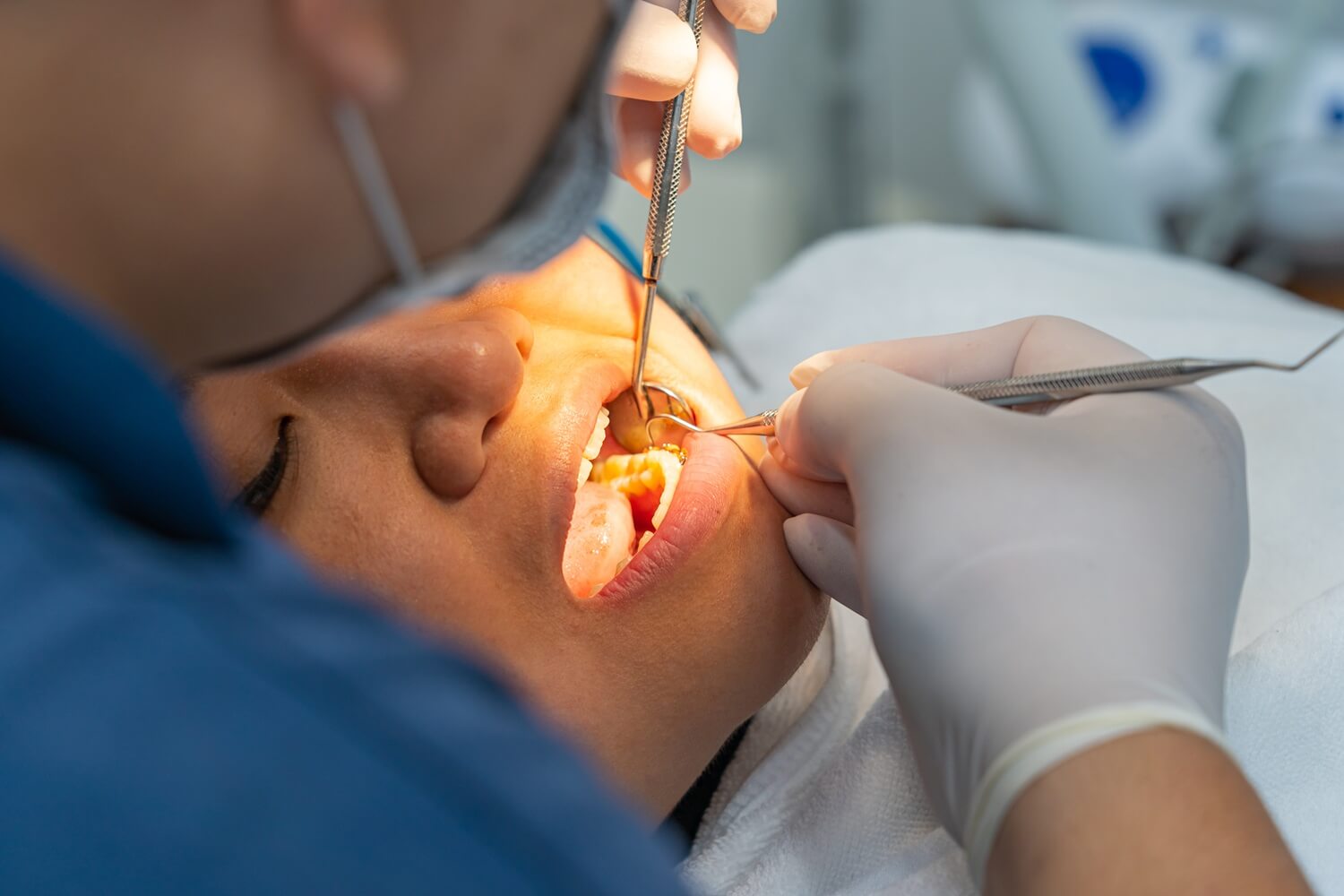
Many people assume wisdom teeth are a teenage problem, but the reality is that adult wisdom teeth can cause issues well into your twenties, thirties, and beyond. Whether yours have been quietly monitored for years or have recently started causing discomfort, being told you may need wisdom teeth removal can raise a lot of questions.
Understanding why removal is sometimes recommended, what the procedure involves, and what recovery looks like can help you feel more prepared and confident going into your appointment.
In this article, we will cover everything you need to know about adult wisdom teeth removal, from assessment through to recovery.
What Are Wisdom Teeth and Why Do They Cause Problems?
Wisdom teeth are the third molars and the last set of teeth to erupt, typically appearing between the ages of 17 and 25. However, some adults experience that their wisdom teeth may emerge later or not at all.
The problem is that by the time wisdom teeth attempt to erupt, the jaw often doesn’t have enough space to accommodate them. This can cause the tooth to become impacted, meaning it is unable to fully emerge through the gum and instead grows at an angle, pushing against adjacent teeth or remaining partially or fully trapped beneath the gum line.
While some people may go through the removal, not all wisdom teeth need to be removed. Some erupt without issue and cause no problems at all.
However, when adult wisdom teeth are impacted, partially erupted, or causing ongoing symptoms, removal is often the recommended course of action.
Signs Your Wisdom Teeth May Need Attention
Wisdom tooth pain symptoms can range from mild and intermittent to persistent and disruptive. Common signs that your wisdom teeth may need assessment include:
- Pain or pressure in the back of the mouth or jaw
- Swollen, red, or tender gum tissue around the erupting tooth
- Difficulty opening the mouth fully
- Repeated biting of the cheek or tongue due to the tooth’s position
- Headaches or earaches that appear to radiate from the jaw area
- A partially erupted tooth that is difficult to keep clean
One condition worth knowing about is pericoronitis. This is the infection around the wisdom tooth tissue that has only partially emerged. When a wisdom tooth is partially through the gum, the flap of tissue over it can trap food and bacteria, leading to infection, swelling, and significant discomfort.
Pericoronitis can recur if the tooth remains in place, and is one of the more common reasons removal is recommended in adults.
How Wisdom Teeth Are Assessed
Before any recommendation is made, your dentist will conduct a thorough clinical assessment, which typically includes a wisdom teeth X-ray assessment. This allows your dentist to see the position, angle, and depth of each wisdom tooth, which is information that can’t be gathered from a visual examination alone.
The X-ray helps determine whether the tooth is impacted, how close it sits to surrounding nerves and structures, and whether removal is likely to be straightforward or more complex. Based on these findings, your dentist will discuss whether removal is recommended, what the procedure will involve, and whether it can be performed at the practice or may require referral to an oral surgeon.
What the Removal Procedure Involves
Adult wisdom teeth removal is performed under local anaesthesia, meaning the area will be thoroughly numbed before the procedure begins. For more complex extractions, or for patients with significant dental anxiety, additional sedation options may be discussed.
The procedure itself involves loosening the tooth within its socket and removing it. The extraction may sometimes be done in sections if the tooth is impacted or lying at a difficult angle.
Most straightforward removals take only a few minutes per tooth, while more complex cases involving deeply impacted wisdom teeth may take longer.
The modern wisdom removal procedure is generally well tolerated. Most patients report that the anticipation is worse than the experience itself.
Recovery After Wisdom Teeth Removal
Recovery after wisdom teeth removal follows a similar pattern to other tooth extractions, though it can be slightly more involved depending on the complexity of the procedure.
As we cover in detail in our guide to healing problems after tooth extraction, the first 24 to 48 hours are the most important for protecting the extraction site and supporting healthy healing.
Here’s what to expect and how to manage it:
- Swelling and bruising after extraction typically peak around 48 hours and gradually reduce over the following days. Cold packs applied to the outside of the face during the first 24 hours can help
- What to eat after wisdom teeth removal: Soft, cool or lukewarm foods are best for the first few days. Examples of these are yoghurt, mashed vegetables, scrambled eggs, and soup. Avoid hard, crunchy, or chewy foods near the extraction site
- Avoid smoking and straws for at least 72 hours to protect the blood clot and reduce the risk of dry socket
- Rest for the remainder of the day after the procedure and avoid strenuous activity for 24 to 48 hours
Wisdom Teeth Removal Complications to Be Aware Of
Most adult wisdom teeth removals heal without significant issues, but it is worth understanding the potential complications so you know when to seek advice.
Dry socket risk is higher after wisdom tooth removal than after simpler extractions, particularly for lower wisdom teeth and in patients who smoke. It occurs when the protective blood clot over the socket is lost, causing increased pain from around day two onwards.
If pain worsens rather than improves after the first couple of days, contact your dentist.
Other less common wisdom teeth removal complications include:
- temporary numbness due to proximity to the inferior alveolar nerve
- prolonged swelling
- post-operative infection.
If you experience worsening swelling, fever, or discharge from the socket beyond the first few days, seek advice promptly. Our dental emergency page outlines how to reach us if symptoms arise outside regular hours.
Don’t Leave Wisdom Tooth Pain Unaddressed
Wisdom tooth problems rarely resolve on their own. Whether you’re experiencing symptoms or have simply been told your wisdom teeth are worth monitoring, early assessment gives you the clearest picture of what’s needed and the most options.
Leaving a problematic wisdom tooth unaddressed can lead to infection or damage to adjacent teeth.
If you suspect you’re having issues with your wisdom tooth, a wisdom teeth removal in Brunswick, VIC, may be what you need. Our team at Brunswick Dental Practice can assess your needs, walk you through the findings, and discuss your options clearly.
Book an appointment with one of our dentists to give you guidance and support in finding the appropriate solution for your dental pain.
Frequently Asked Questions
Do wisdom teeth always need to be removed?
No. Wisdom teeth that erupt fully, sit in a good position, and cause no problems may not need removal. Your dentist will assess them and only recommend removal if there is a clinical reason to do so.
At what age should wisdom teeth be removed?
There is no fixed age, but adult wisdom teeth removal is often recommended sooner rather than later when problems are identified. Younger patients tend to heal more quickly, and complications are generally less likely to arise.
Is wisdom teeth removal painful?
The procedure is performed under local anaesthesia, so it should not be painful. Some soreness and swelling in the days following is normal and manageable with over-the-counter pain relief.
How long does recovery take?
Most people feel significantly better within a week. Full healing of the socket can take several weeks, though most patients return to normal activities within a few days.
What is dry socket and how do I avoid it?
Dry socket occurs when the blood clot over the extraction site is lost, causing increased pain from around day two. Avoiding straws, smoking, and vigorous rinsing for the first 72 hours are just a few of the ways to reduce the risk.