


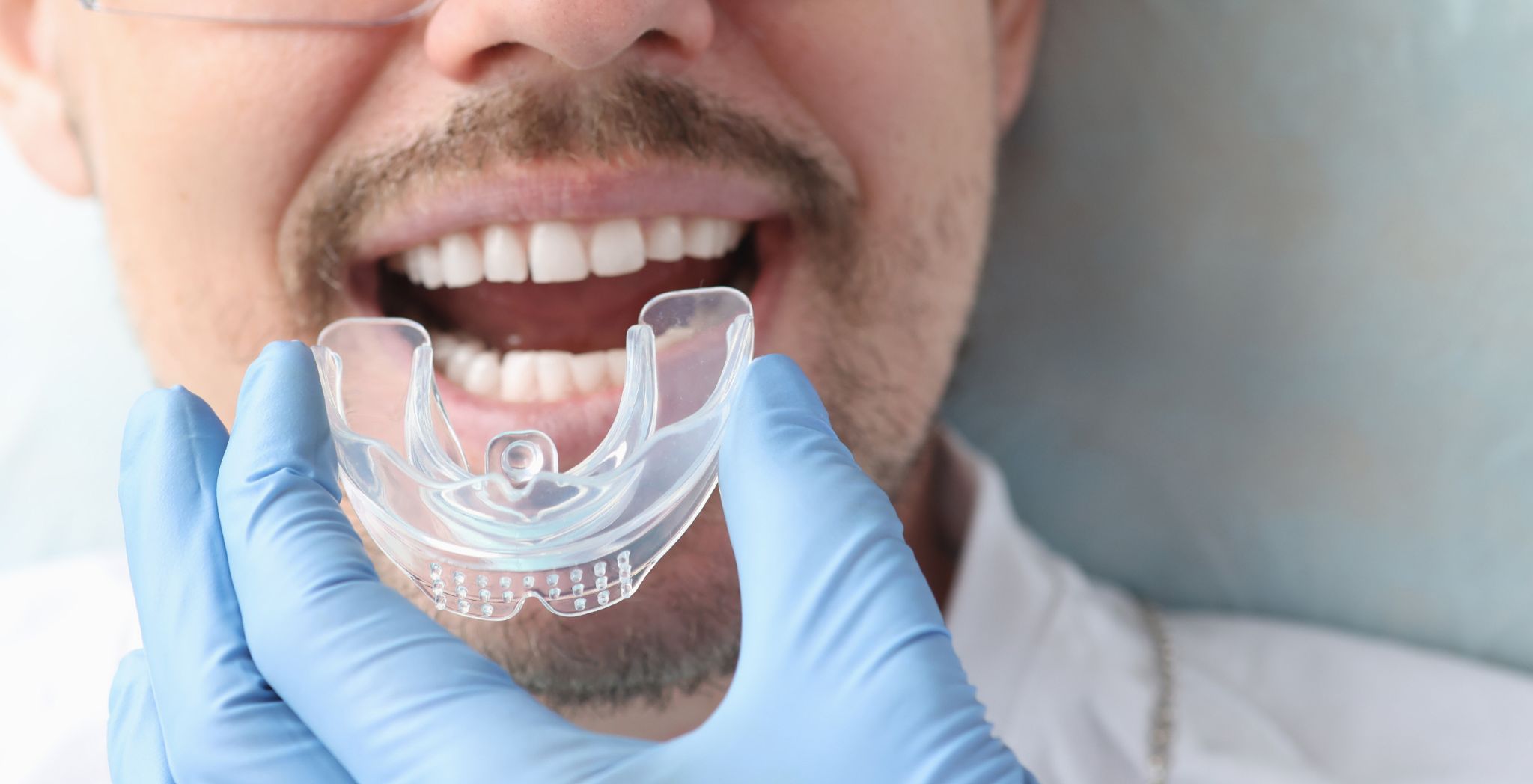
Ever wake up with a sore jaw, a headache, or even notice your teeth feeling a bit worn down? You might be experiencing something called teeth grinding, or “bruxism” as dentists call it. It’s a super common problem that can really mess with your smile and overall health if left unaddressed. The good news is, there’s a simple and effective solution: a mouthguard for grinding teeth.
In this blog, we’re going to break down everything you need to know about teeth grinding and how a mouthguard can be your best mate in protecting your precious pearly whites.
So, let’s dive in!
What is Teeth Grinding (Bruxism)?
Imagine you’re asleep, totally unaware, and your jaws are clenching and your teeth are rubbing against each other. That’s pretty much what teeth grinding, or bruxism, is all about. It can happen during the day too, especially when you’re feeling stressed or concentrating really hard, but often it’s a nighttime thing. Many people don’t even know they’re doing it until a dentist points it out, or a partner complains about the noise!
Think of it like this: your teeth are designed for chewing food, not for rubbing together with extreme force. When you grind your teeth, you’re putting a lot of pressure on them, your jaw muscles, and even your temporomandibular joints (TMJ) – those little hinges that connect your jaw to your skull.
How Teeth Grinding Affects Your Oral Health
So, what’s the big deal if you grind your teeth? Well, it’s a bigger deal than you might think! Over time, teeth grinding can lead to numerous problems for your oral health.
- Worn-down teeth: This is one of the most common issues. Imagine sandpaper rubbing on a surface – that’s what grinding does to your tooth enamel, the hard outer layer that protects your teeth. Over time, your teeth can become shorter, flatter, and even look like they’re chipped.
- Cracked or fractured teeth: The intense force of grinding can actually cause cracks or fractures in your teeth. This can be super painful and might even lead to needing fillings, crowns, or, in serious cases, even tooth removal.
- Sensitive teeth: As your enamel wears away, the softer layer underneath, called dentin, becomes exposed. Dentin has tiny tubes that lead to the nerves inside your tooth, making them much more sensitive to hot, cold, and even sweet foods. Ouch!
- Jaw pain and stiffness: Your jaw muscles are working overtime when you’re grinding. This can lead to soreness, stiffness, and even difficulty opening and closing your mouth. Some people even experience a clicking or popping sound in their jaw joints.
- Headaches and earaches: The muscle strain from grinding can spread, causing tension headaches, especially around your temples, and even earaches, even though there’s nothing wrong with your ears themselves.
- Facial pain: Similar to headaches, you might feel a dull, aching pain in your face, particularly around your jaw and cheeks.
- Sleep disturbances: For some, the act of grinding can even disrupt their sleep or the sleep of their partner.
As you can see, the list is pretty long! That’s why it’s so important to address teeth grinding as early as possible.
What is a Mouthguard for Teeth Grinding?
Alright, so we know teeth grinding is a problem. Now, let’s talk about the hero of our story: the mouthguard for grinding teeth. Simply put, it’s a protective device, usually made from a clear, durable plastic material, that you wear over your teeth. Think of it like a soft cushion or a barrier between your upper and lower teeth.
It’s not a cure for bruxism itself, but it’s an incredibly effective way to manage the symptoms and prevent further damage to your teeth. It acts as a shield, taking the brunt of the grinding force instead of your natural teeth.
How a Mouthguard Helps Prevent Teeth Grinding
So, how does this clever little device actually work its magic?
- Creates a protective barrier: This is the primary function. When you clench or grind, the mouthguard absorbs the force, preventing your upper and lower teeth from directly contacting and damaging each other.
- Reduces muscle tension: By providing a cushion, the mouthguard can help to relax your jaw muscles. It subtly changes the way your teeth come together, which can reduce the intensity of your clenching and grinding.
- Distributes pressure evenly: Instead of the grinding force being concentrated on just a few teeth, the mouthguard helps to spread that pressure more evenly across your entire dental arch. This reduces stress on individual teeth.
- Acts as a reminder (for daytime grinding): If you’re a daytime grinder, wearing a mouthguard can serve as a physical reminder to stop clenching when you feel the urge.
- Protects existing dental work: If you have fillings, crowns, veneers, or any other dental work, a teeth-grinding mouthguard is crucial for safeguarding these investments against the damaging effects of grinding.
It’s a straightforward yet powerful tool that can make a huge difference in protecting your smile and alleviating discomfort.
Different Types of Mouthguards for Bruxism
When it comes to bruxism treatment with a mouthguard, you’ve got a few options. They broadly fall into three categories:
- Boil-and-Bite Mouthguards: These are the most affordable and readily available option. You can usually find them at sports stores or chemists. You soften them in hot water, then bite into them to get a somewhat customised fit.
- Pros: Cheap, easy to find.
- Cons: Not the best fit, can be bulky and uncomfortable, and don’t offer the same level of protection as other types. They might not stay in place as well during the night.
- Stock Mouthguards: These are pre-formed and come in various sizes. You just pick one off the shelf.
- Pros: Very inexpensive, readily available.
- Cons: One-size-fits-all, which means they rarely fit well. They can be very uncomfortable, making it hard to breathe or speak, and offer little to no protection. We generally don’t recommend these for bruxism.
- Custom-Made Mouthguards: These are the gold standard for mouthguards for grinding teeth. Your dentist will take an impression of your teeth and send it to a dental lab, where a mouthguard is specially made to fit your unique bite.
- Pros: Perfect, comfortable fit. Offers the best protection. Very durable and long-lasting. Allows for normal breathing and speaking. Your dentist, like dentist Brunswick, can make these for you!
- Cons: More expensive than over-the-counter options. Requires a visit to the dentist.
While boil-and-bite options might seem tempting due to their price, remember that when it comes to protecting your teeth, investing in a high-quality, custom mouthguard for bruxism is almost always the better choice. It will save you money and pain in the long run by preventing more serious dental issues.
Choosing the Right Mouthguard for Grinding Teeth
So, how do you pick the best mouthguard for you? If you suspect you’re grinding your teeth, the very first step is to see your dentist. They are the best person to diagnose bruxism and recommend the most suitable type of mouthguard.
Here’s why a dentist is crucial:
- Accurate Diagnosis: Your dentist can examine your teeth for signs of wear, check your jaw muscles, and discuss your symptoms to confirm if you’re grinding.
- Custom Fit: As we mentioned, a custom-made mouthguard from your dentist is by far the most effective. It will fit snugly, be comfortable to wear, and provide optimal protection. They’ll ensure it doesn’t interfere with your bite or cause other issues.
- Material Selection: Dentists use high-quality, durable materials that are designed to withstand the forces of grinding.
- Ongoing Support: Your dentist can monitor your progress, make any necessary adjustments to your mouthguard, and offer additional advice for managing bruxism.
Don’t just grab any old mouthguard off the shelf if you’re serious about protecting teeth from grinding. A professional consultation is key. If you’re looking for a dentist Brunswick or a dentist Northcote, they’ll be able to help you out.
Benefits of Using a Mouthguard for Teeth Grinding
Let’s quickly recap the awesome benefits of regularly using a mouthguard for grinding teeth:
- Prevents tooth damage: This is the big one! No more worn enamel, chips, or cracks.
- Reduces jaw pain and tension: Say goodbye to that aching jaw and stiff muscles.
- Alleviates headaches and earaches: Many people find significant relief from these secondary symptoms.
- Protects existing dental work: Safeguards your fillings, crowns, and other valuable dental treatments.
- Improves sleep quality: Both for you and potentially your partner, by reducing grinding noises.
- Saves you money in the long run: Preventing serious tooth damage means avoiding costly dental procedures down the track.
- Overall better oral health: A protected smile is a healthier smile!
It’s a small investment that offers a massive return in terms of your comfort and long-term oral health.
When to Seek Professional Help for Bruxism
While a teeth-grinding mouthguard is a fantastic management tool, it’s really important to know when to seek professional help for bruxism itself. If you notice any of these signs, it’s definitely time to book an appointment with your dentist:
- Persistent jaw pain, stiffness, or tenderness.
- Chronic headaches or earaches that don’t seem to have another cause.
- Visible wear and tear on your teeth (flattened, chipped, or cracked teeth).
- Increased tooth sensitivity.
- Clicking or popping sounds in your jaw.
- Difficulty opening or closing your mouth.
- Your partner is complaining about grinding noises at night.
- If over-the-counter mouthguards aren’t providing relief or comfort.
Your dentist can do more than just provide a mouthguard. They can also help identify potential causes of your bruxism, such as stress, sleep disorders, or certain medications, and suggest other strategies for managing it. This might include stress management techniques, changes to your sleep habits, or even physical therapy in some cases.
Caring for Your Mouthguard
Just like you brush your teeth every day, your mouthguard needs a bit of TLC too to keep it clean, hygienic, and long-lasting.
- Rinse after each use: As soon as you take your mouthguard out, rinse it thoroughly under cool (not hot!) water.
- Brush gently: Use a soft-bristled toothbrush and a non-abrasive toothpaste (or just plain soap and water) to scrub your mouthguard gently. Avoid harsh cleansers or hot water, as these can damage the material.
- Air dry: After cleaning, let your mouthguard air dry completely before storing it.
- Store properly: Always keep your mouthguard in its protective case. This prevents it from getting lost, damaged, or accumulating dust and germs.
- Regular cleaning solutions: Once a week, consider using a special mouthguard cleaning tablet (available at chemists) for a deeper clean and to kill any bacteria. Always follow the product instructions.
- Keep away from pets: Dogs, in particular, love to chew on mouthguards, so keep them out of their reach!
- Bring it to dental appointments: Take your mouthguard with you to your regular dental check-ups. Our dentist at Brunswick Dental Practice can inspect it for wear and tear and give it a professional clean.
By following these simple steps, your mouthguard for grinding teeth will stay fresh, clean, and effective for a long time.
Conclusion
So there you have it! Teeth grinding, or bruxism, is a common problem that can cause significant damage to your teeth and jaw if left unchecked. But the good news is, a mouthguard for grinding teeth is an incredibly effective, simple, and comfortable solution for protecting teeth from grinding.
Whether you’re experiencing jaw pain, headaches, or just notice your teeth looking a bit worn, don’t wait. Discuss with your Brunswick dentist the option of getting a custom-made teeth grinding mouthguard. It’s an investment in your smile, your comfort, and your overall health.
Think You Might Be Grinding Your Teeth?
Don’t let bruxism wreak havoc on your smile! Take the first step towards protecting your oral health.
Contact your local dentist at Brunswick Dental Practice today to discuss a custom mouthguard for bruxism. If you’re in the area, our friendly team would be happy to help. Whether you need a dentist Brunswick or a dentist Northcote, make that call and protect your smile from grinding!