


Have you ever had a little ache or a strange sensitivity in one of your teeth? Maybe your dentist has told you that you have a cavity. Don’t worry, it’s a very common problem, and the solution is usually quite simple: a tooth filling.
This blog post will walk you through everything you need to know about tooth fillings. We’ll cover what they are, the different types you can choose from, what happens during the procedure, and how to look after your new filling.
What is a Tooth Filling and Why is it Necessary?
Imagine your tooth is like a strong, hard house. Sometimes, a tiny hole can form in the wall of that house. This little hole is called a cavity, and it’s caused by tooth decay. Tooth decay occurs when bacteria in your mouth, combined with sugar from the food you eat, produce acid. This acid slowly eats away at the hard outer layer of your tooth, called enamel.
If left untreated, this cavity will get bigger and bigger. It can cause pain, make your tooth sensitive to hot or cold foods, and eventually lead to a more serious infection.
A tooth filling is a way to fix this problem. The dentist will carefully clean out the decayed part of your tooth and then “fill” the empty space with a special material. This filling material acts like a patch, sealing off the hole and restoring the strength and shape of your tooth. It stops the decay from getting any worse and prevents bacteria from getting inside. A filling is a quick and effective way to save a tooth that has a cavity.
Different Types of Tooth Fillings
Not all fillings are the same! There are a few different types of materials that the dentist can use, and each has its pros and cons. The best choice for you will depend on several factors, including the size of the cavity, its location in your mouth, and your budget.
- Amalgam Fillings: These are often called “silver fillings.” They are made from a mix of metals, including silver, tin, copper, and mercury. Amalgam fillings are very strong and durable, and they are usually the least expensive option. The downside is their colour; they are very noticeable, especially on front teeth. They are a good choice for fillings in back teeth, where chewing pressure is high.
- Composite Fillings: These are known as “white fillings” because they are made from a tooth-coloured resin. The big advantage of composite fillings is that they can be matched to the exact shade of your tooth, making them almost invisible. They are a popular choice for fillings in front teeth and other visible areas. They are a little more expensive than amalgam fillings and may not be as long-lasting for very large fillings in back teeth.
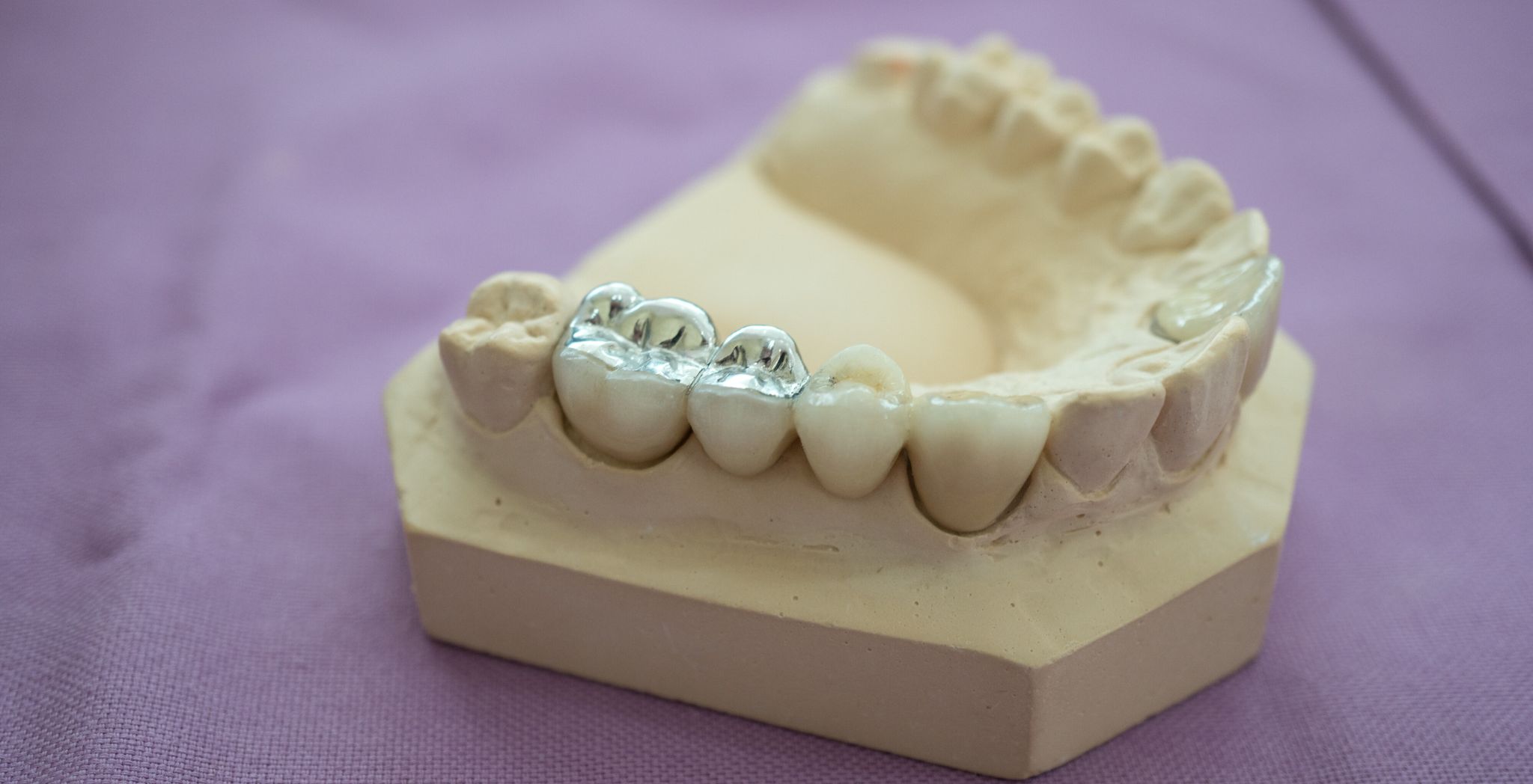
- Gold Fillings: Gold fillings are custom-made in a dental lab and then cemented into your tooth. They are very durable and can last for many years. However, they are also the most expensive option and require at least two visits to the dentist. Their distinctive colour makes them noticeable.
- Ceramic (Porcelain) Fillings: Like gold fillings, these are also made in a lab and then bonded to your tooth. They are made of porcelain, so they are very strong and resistant to staining. They can be made to match the colour of your teeth, making them a good cosmetic option. They are more expensive than composite fillings, but are a great choice for large cavities where a lot of the tooth needs to be restored.
The Tooth Filling Procedure: What to Expect
The thought of a dental procedure can be a bit scary, but getting a tooth filling is a very routine and straightforward process. Here’s a simple breakdown of what usually happens:
- Numbing: First, the dentist, like dentist Northcote, will numb the area around the tooth with a local anaesthetic. This is a small injection that will make the whole area feel a bit sleepy. You might feel a tiny pinch, but after that, you shouldn’t feel any pain during the procedure.
- Removing the Decay: Once the area is numb, the dentist will use a small drill to remove the decayed part of the tooth carefully. They will work to clean out all the bad bits, leaving only the healthy, strong part of your tooth.
- Preparing the Tooth: The dentist will then prepare the space for the filling. For composite fillings, they might use a special light to prepare the tooth surface so the filling material can bond well.
- Applying the Filling: The filling material is then carefully placed into the empty space. Our dentist will shape and smooth it to make sure it fits perfectly and feels comfortable.
- Polishing: For composite fillings, a special light is used to harden the material. Once the filling is hard, the dentist will make any final adjustments and polish it. This makes the filling smooth and ensures it feels natural when you bite down.
The whole process is usually quick, often taking less than an hour.
How Long Does a Tooth Filling Last?
This is a great question, and the answer depends on a few things. The type of material used, the size of the filling, and your oral hygiene habits all play a role.
- Amalgam fillings can last for 10 to 15 years or even longer.
- Composite fillings usually last for 5 to 7 years.
- Gold and ceramic fillings can be very long-lasting, often lasting for 15 years or more.
Remember, these are just averages. A filling that is well looked after can last much longer. Regular dental check-ups are important so the dentist can keep an eye on your fillings and make sure they are in good condition.
Aftercare and Maintenance Tips for Tooth Fillings
Once you have a new filling, it’s important to look after it properly. Good aftercare will help your filling last a long time and keep your mouth healthy.
- Wait for the Numbness to Wear Off: If you had a local anaesthetic, be careful not to bite your tongue or cheek while the area is still numb. Wait until the feeling returns before eating.
- Avoid Chewing Hard Things: For the first day or so, it’s a good idea to avoid very hard or sticky foods on the new filling.
- Practice Good Oral Hygiene: Brush your teeth twice a day with a fluoride toothpaste. Make sure to floss daily. This is the best way to prevent new cavities from forming.
- Regular Dental Check-ups: Visit the dentist for regular check-ups and cleanings. They can check the condition of your fillings and spot any problems early. If you’re looking for a dentist, like a dentist Brunswick, or a dentist Northcote, they’ll be able to help you out.
Potential Risks and Complications of Tooth Fillings
While tooth fillings are very safe, a few minor issues can sometimes pop up.
- Sensitivity: It’s normal to feel some sensitivity to hot and cold foods for a few days after the procedure. This should go away on its own.
- Pain or Discomfort: If the pain or sensitivity doesn’t go away, or if you feel pain when you bite down, the filling might be a little too high. Go back to the dentist; they can easily adjust it.
- Allergic Reaction: While rare, some people can have an allergic reaction to the materials used in a filling, especially amalgam.
- Cracked or Loose Filling: Over time, a filling can develop a crack or come loose. If this happens, you will need to see the dentist to get it repaired or replaced.
Signs You May Need to Replace a Tooth Filling
Fillings don’t last forever. Here are some signs that a filling might need to be replaced:
- Pain or sensitivity: If you start to feel pain or sensitivity in a tooth with an old filling, it could be a sign that the filling is failing or that a new cavity has formed underneath it.
- A crack or chip: If you can see or feel a crack or chip in the filling, it needs to be checked by a dentist.
- Dark spots: Dark spots around the edge of a filling can be a sign of a new cavity.
- You can feel it with your tongue: If your tongue feels a rough edge or a sharp point, the filling might be loose or damaged.
Alternatives to Tooth Fillings
For very large cavities, a simple filling might not be the best solution. When a significant portion of the tooth is decayed or damaged, the dentist might suggest a different option.
- Crowns: A crown is like a cap that covers the entire tooth. It is custom-made to fit over the tooth and is a great way to restore a tooth’s strength and shape when a filling isn’t enough.
- Inlays and Onlays: These are a halfway house between a filling and a crown. An inlay fits inside the cusps (the points on your tooth), and an onlay covers one or more of the cusps. They are custom-made in a lab and offer a strong, long-lasting restoration for larger cavities.
Conclusion
Tooth fillings are a simple, safe, and effective way to treat cavities and save your teeth. By understanding the different types of fillings and how to care for them, you can keep your smile healthy and bright for years to come.
If you think you might have a cavity or if you’re due for a check-up, don’t wait! Taking care of the problem early is the best way to avoid bigger issues down the road. If you’re in the area and looking for a friendly and experienced dentist, consider our dentists at Brunswick Dental Practice.
Schedule an appointment today and take the first step towards a healthier, happier smile!