


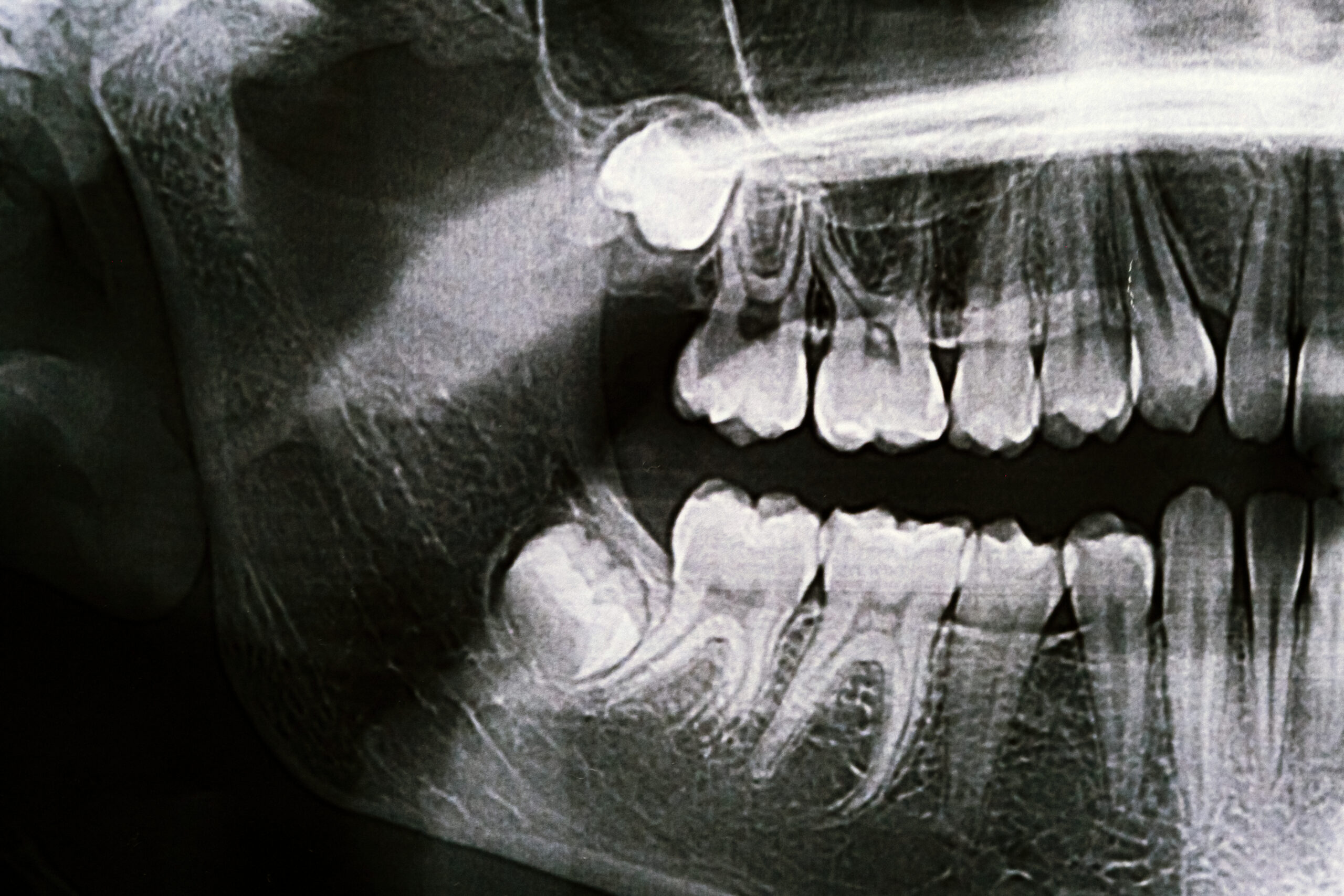
A dull ache at the back of your jaw can be hard to pin down. If you’re in your late teens or twenties, maybe your wisdom teeth coming through may be the cause. The symptoms can start gently, change over time, and look different from one person to the next.
In this article, we’ll walk through wisdom teeth symptoms at each stage. You’ll learn what’s normal, when to get checked, and how to ease discomfort at home.
When Do Wisdom Teeth Come In?
Wisdom teeth, also called third molars, are the last teeth to arrive. According to Healthdirect, they normally come through in your late teens or early twenties. Lower wisdom teeth often take longer and are more likely to get stuck.
What many don’t realise is that not everyone has the same experience. Some people notice very little, while others feel discomfort for weeks. That’s why it helps to know what each stage may feel like.
Why Wisdom Teeth Can Cause Trouble
Many mouths have limited room at the back. When a wisdom tooth doesn’t have enough space, it may tilt or stay partly covered by gum. It may also press on the tooth in front. This can make the area harder to clean and more prone to irritation and decay.
Healthdirect also notes that lower wisdom teeth are more likely to be impacted, which makes repeated gum infections more likely.
Wisdom Teeth Symptoms at Each Stage
Stage 1: Developing Under the Gum
At this stage, the teeth are still forming below the gum. Most people feel nothing at all. Dental X-rays may show wisdom teeth well before any symptoms start.
Stage 2: Starting to Move Up
These are the common signs of wisdom teeth coming in:
- A dull ache or pressure at the back of your jaw
- Tender or slightly swollen gums behind your last molar
- Mild jaw stiffness
- A feeling that your teeth are tighter or more crowded
Wisdom teeth coming through symptoms are often mild at first and may come and go.
Stage 3: Partly Through the Gum
Sometimes a wisdom tooth only breaks through part of the way. This often leaves a flap of gum over the tooth, which is hard to keep clean. Food and bacteria can collect underneath. You may notice:
- Red, swollen or sore gums
- An unpleasant taste or bad breath
- Pain when you bite or open your mouth wide
- Swelling that comes back from time to time
Stage 4: Stuck or Impacted
A tooth is impacted when it can’t fully come through because of a lack of space. A fully impacted tooth may cause no problems at all. Impacted wisdom teeth symptoms can include:
- Ongoing pain or pressure at the back of the jaw
- Swollen or bleeding gums
- Headaches or jaw ache
- Pressure on nearby teeth
An impacted tooth may also make nearby teeth harder to clean, which can raise the chance of decay. A dentist can check this with an examination and X-ray.
Stage 5: Fully Through
Some wisdom teeth come through fully and sit well. These teeth may cause no trouble. However, they’re right at the back and can be hard to reach with a toothbrush. If they are not cleaned properly, it may result to damage or decay along the line.
Regular check-ups and cleans help us keep an eye on them.
Related: Wisdom Teeth Removal for Adults: What You Need to Know
Easing Wisdom Teeth Pain at Home
Mild wisdom teeth pain can often be managed while you arrange a check-up. However, there are simple at-home pain relief options that can help control mild pain from wisdom teeth. Here are some gentle steps:
- Rinse gently with warm salty water after meals.
- Brush and floss carefully around the area.
- Choose softer foods if chewing is sore.
- Take pain relief only as directed on the label or by your pharmacist.
- Avoid poking the gum with your tongue or fingers.
These steps may ease symptoms for a short time, but they don’t treat the cause. If discomfort keeps returning, an assessment with a qualified dentist is the next step.
When to See Our Team
Book an appointment if you have:
- Pain that lasts more than a few days or keeps coming back
- Swollen gums that don’t settle
- A bad taste or bad breath that won’t go away
- Trouble opening your mouth fully
If you have a fever or swelling in your face or neck, seek urgent care. If you have trouble swallowing or breathing, call 000. For other urgent dental concerns, Brunswick Dental Practice also provides dental emergency care for patients in and near Brunswick, VIC.
Feeling Confident About Your Wisdom Teeth
Wisdom teeth coming through can bring anything from no symptoms to ongoing discomfort. Knowing the stages may help you spot changes early and ask the right questions. Not every wisdom tooth needs to come out, but the right treatment option depends on your individual situation.
If something doesn’t feel right, wisdom teeth removal in Brunswick may be one option to discuss. A consultation with an X-ray (where needed) will help you, and our team at Brunswick Dental Practice can explain what’s happening.
For patients in and near Brunswick, VIC, you can book online or call us on (03) 9386 7981.
Frequently Asked Questions
Do Wisdom Teeth Always Cause Pain?
No. Some wisdom teeth come through without any trouble. Others cause symptoms, so an examination and X-ray can show what’s happening.
Can Wisdom Teeth Cause Headaches or Jaw Ache?
They may. Pressure or swelling around a wisdom tooth can sometimes cause headaches or jaw ache. Other conditions can cause similar symptoms, so it’s best to have it checked.
How Long Do Wisdom Teeth Take to Come Through?
It varies from person to person. Lower wisdom teeth often take longer than upper ones. Our team can tell you how yours are progressing through a consultation.
Do All Wisdom Teeth Need to Be Removed?
No. Healthy wisdom teeth that sit well and can be cleaned may only need monitoring. Removal is generally considered when there are symptoms or a risk of problems.