


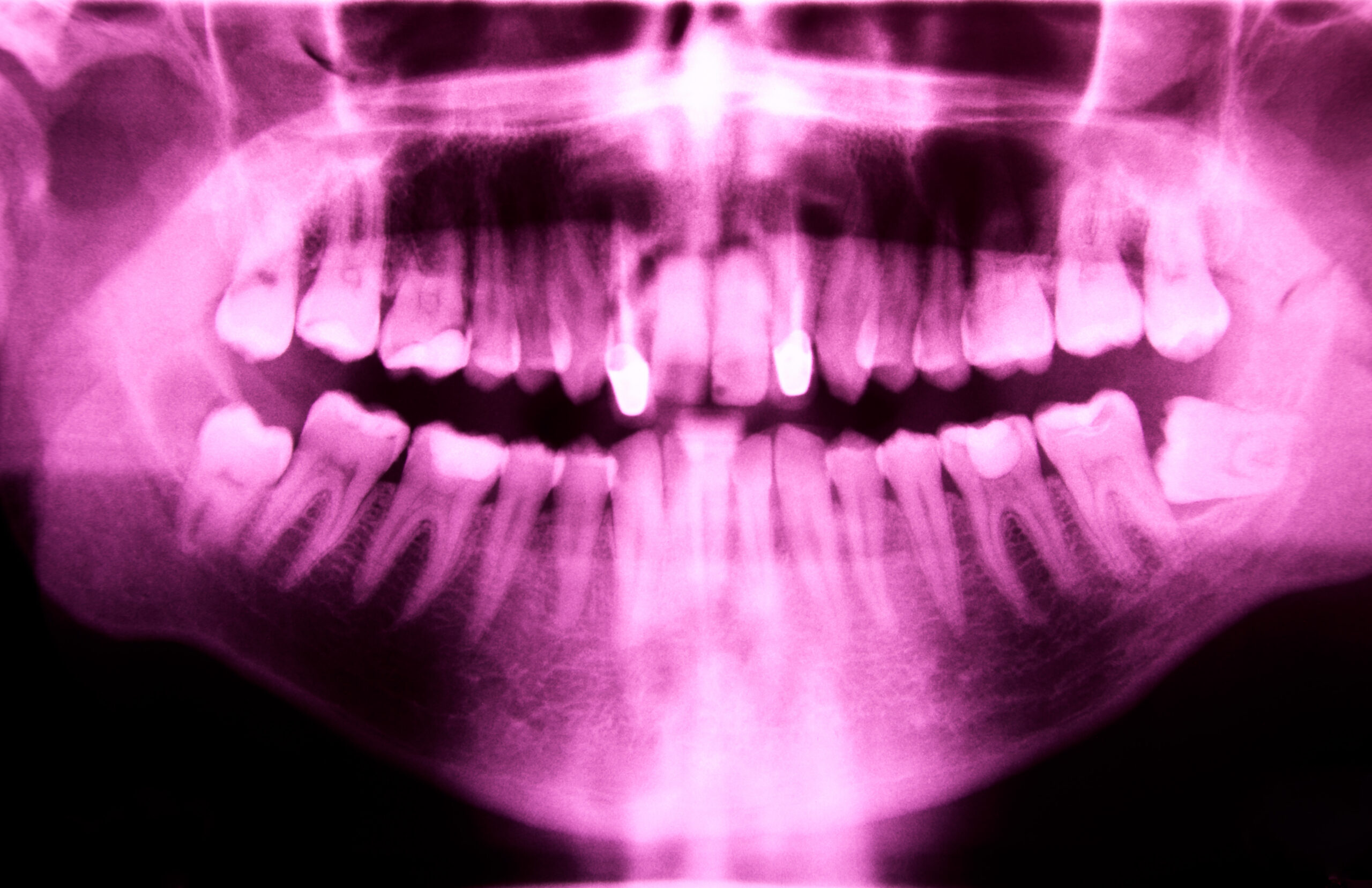
Finding tiny threads in your gums after wisdom teeth surgery can feel strange, and it’s natural to have questions. Are they meant to dissolve, and is it normal for one to feel loose? Many people want clear answers while their mouth is still sore and tender.
In this article, we’ll cover how wisdom teeth stitches work, how long they last, and how to care for them. You’ll also learn what’s normal, what isn’t, and when to contact our team at Brunswick Dental Practice.
Why You May Have Stitches After Wisdom Teeth Removal
Not every extraction needs stitches. They’re more common with impacted wisdom teeth, which are teeth stuck under the gum or jawbone. In these cases, a small cut in the gum may be needed to reach the tooth. Stitches, also called sutures, are then used to close the gum.
Wisdom teeth removal stitches may help hold the gum edges together while the area heals. They may also help protect the blood clot in the socket, where the tooth used to be. Whether you need stitches after wisdom teeth removal depends on your individual case, which we’ll discuss at your consultation.
Dissolvable Stitches For Wisdom Teeth And Other Types
Dissolvable stitches for wisdom teeth are often used because they break down on their own. This means they usually don’t need to be removed.
Non-dissolvable stitches stay in place until a dentist takes them out, often at a short follow-up appointment. Our team will explain which type you have and what to expect afterwards.
How Long Do Wisdom Teeth Stitches Take To Dissolve?
Dissolvable stitches often break down within 1 to 2 weeks, although some may last a little longer. The timing depends on the stitch material, where it sits in your mouth, and how your gum tissue heals.
You may also notice a stitch loosen or fall out on its own, which is often part of the process. Wisdom tooth stitches can also feel like a thin thread brushing against your tongue. That feeling usually fades as the stitches dissolve.
How Wisdom Teeth Healing Usually Unfolds
Everyone heals at their own pace, but this table gives a general guide on what healing may look like.
| Time after surgery | What you may notice |
| Days 1 to 3 | A blood clot forms in the socket. Bleeding, soreness and swelling are common, and swelling may be most noticeable around day 2 or 3. |
| Days 4 to 7 | Swelling and soreness often start to ease. The gum edges begin to close. |
| Days 7 to 14 | Dissolvable stitches may loosen and fall away. The area often feels less tender. |
| Weeks 3 to 6 | The gum surface may look smoother and closed. Deeper healing continues underneath. |
Healing of the jawbone beneath the gum can take several months.
Wisdom Teeth Removal Aftercare: Looking After Your Stitches
Good wisdom teeth removal aftercare may help your stitches stay in place while your gums settle. Here are some simple steps, alongside further instructions from our team:
- Rest for the first day or two and skip hard exercise.
- Choose soft, cool foods such as yoghurt, mashed potato or lukewarm soup.
- Avoid hard, crunchy or sticky foods that could catch on a stitch.
- Skip straws and hard spitting for the first 24 hours.
- Brush your other teeth as usual, and clean gently near the extraction site.
- Rinse gently with warm salt water if our team advises it, then let the water fall out.
- Avoid smoking, as it may raise the risk of dry socket.
- Leave the stitches alone, without poking them with your fingers or tongue.
Take pain relief only as our team or your pharmacist advises.
Related: Healing Problems After Extraction and How to Avoid Them
What If Wisdom Teeth Stitches Came Out After 3 Days?
By day 3, you may still feel sore, and your cheek or jaw may be swollen or a little stiff. Your stitches are usually still in place. It can feel worrying, but a loose stitch isn’t always a problem.
Stitches sometimes loosen early, especially while the gum is swollen or after eating.
When this happens, rinse gently and check for bleeding. If the socket is bleeding, bite on clean gauze with steady pressure for about 30 minutes. If bleeding doesn’t ease, or the area looks open, contact us. A dentist needs to check the site to decide if anything more is needed.
When To Contact Our Team About Your Stitches
Some soreness and swelling is expected. Contact us if you notice:
- Bleeding that doesn’t settle after steady pressure
- Severe, throbbing pain that starts or worsens a few days after surgery
- A bad taste or smell, or pus around the site, which can be signs of infection
- Swelling that keeps growing after day 3, or a fever
- Stitches that are still in place after a few weeks
Severe pain a few days after surgery can be a sign of dry socket. This happens when the blood clot is lost or doesn’t form well, which leaves the bone exposed.
According to Healthdirect, it affects about 1 in 20 tooth extractions. The good thing about it is that treatment is available, so contact us if you’re worried.
If you have trouble breathing or swallowing, go to your nearest hospital emergency department or call 000. Do the same if swelling spreads toward your eye or neck.
For other urgent concerns about your teeth, Brunswick Dental Practice can help with dental emergency care to address your concerns.
Feeling Confident As Your Gums Heal
Wisdom teeth stitches are a common part of recovery. Many are designed to dissolve on their own as your gums heal. Gentle aftercare, soft foods and knowing which signs to look out for may help you feel more at ease. Healing varies from person to person, so ask us if something doesn’t feel right.
If you’re considering wisdom teeth removal in Brunswick, VIC, or have questions about your recovery, a consultation is the first step. Our team can talk through whether treatment may be suitable for you.
For patients in and near Brunswick, VIC, you can book online or call us on (03) 9386 7981 for a consultation.
Frequently Asked Questions
Do I always get stitches after wisdom teeth removal?
No. Whether you need stitches depends on how the tooth is removed and where it sits in your jaw. Impacted teeth are more likely to need them, and we’ll explain what to expect at your consultation.
Is it normal to feel my stitches with my tongue?
Yes, that’s common. Stitches can feel like thin threads, so it’s natural to notice them. Try not to play with them, as this may irritate the area.
Can I pull out a loose stitch myself?
It’s best not to. Pulling at a stitch may open the wound or cause bleeding. If one is bothering you, contact our team, and we’ll take a look.
When can I return to work or exercise?
Many people rest for a day or two, but healing varies. Avoid hard exercise for the first few days, and ask our team when you can return to your usual routine.