


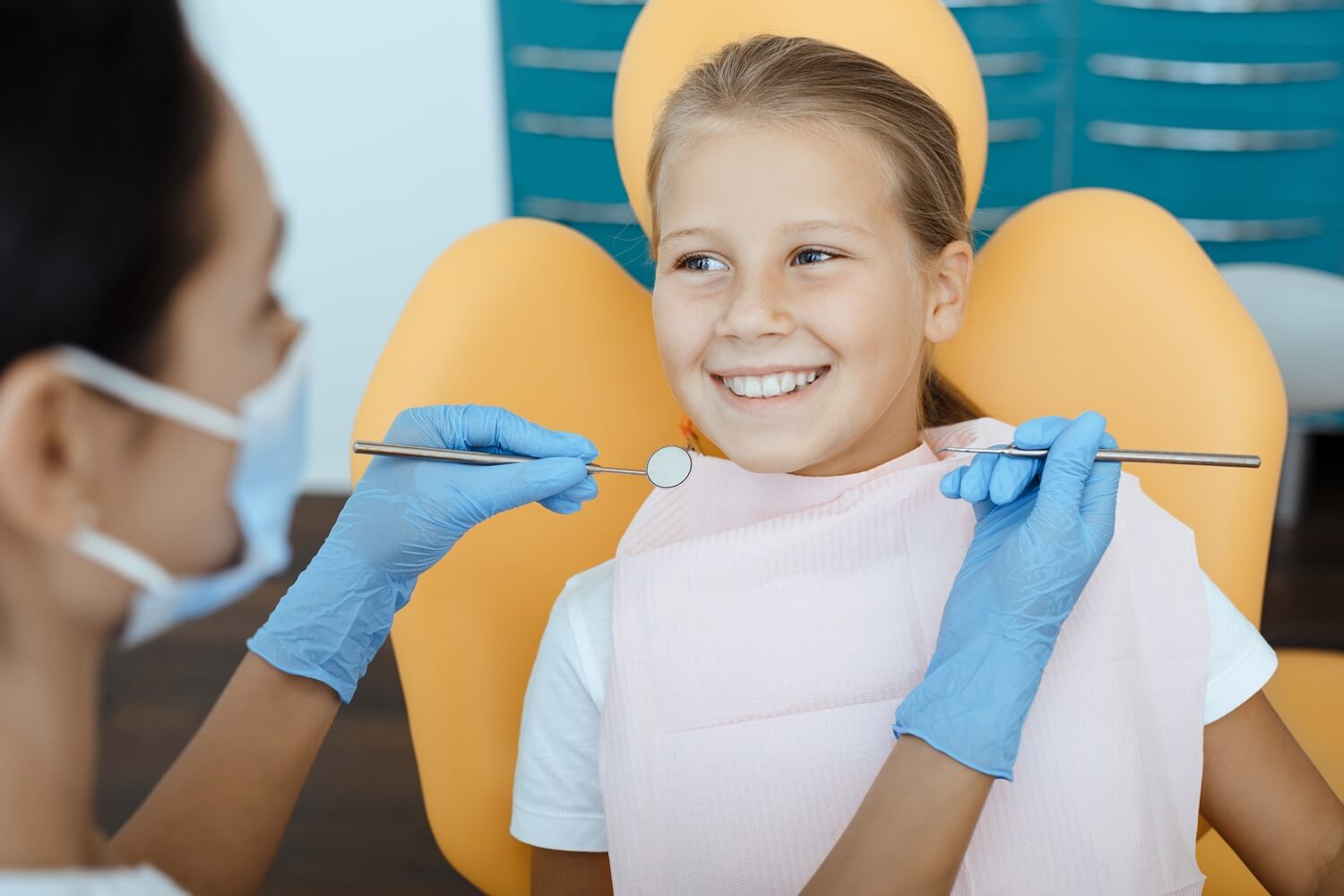
If you’ve recently noticed your baby’s first tooth starting to come through, you might be wondering whether it’s too soon to see a children’s dentist. Many parents assume dental visits can wait until their child is older, or until something goes wrong. But when it comes to children’s dentistry, earlier is generally better.
Starting dental care early gives your child the best foundation for long-term oral health. It also helps them grow comfortable with dental visits from the very beginning, rather than associating them with discomfort or urgency.
Let us walk you through when a child’s first dental visit should happen, what oral health milestones to look out for at each age, and how to support your child’s dental health between appointments.
Your Child’s First Dental Visit
The general recommendation is that a child’s first dental visit should take place when their first tooth appears, or by the time they turn one, whichever comes first.
According to Healthdirect, early dental visits allow practitioners to assess how teeth and jaws are developing, offer guidance on teething and oral care, and identify any concerns before they become more involved to manage.
For most children, the first tooth typically erupts somewhere between six and ten months of age. This initial visit is usually brief and gentle, more about familiarisation than any hands-on treatment.
Your child’s dentist will take a look at how things are developing, talk you through brushing baby teeth correctly, and answer any questions you have about what to expect as more teeth come through.
Children’s Oral Health Milestones by Age
Understanding how your child’s teeth develop can help you know when to act and what to watch for. Here is a general guide to key children’s oral health milestones:
6–12 months — The first baby teeth (usually the lower front teeth) begin to emerge. This is the right time to schedule a first tooth dentist visit and to begin cleaning the gums and new teeth after feeds.
12–24 months — More teeth erupt throughout the first and second year. A dental check-up for toddlers at this stage helps confirm healthy development and gives you practical guidance on diet and habits such as bottle use and thumb-sucking.
Around 3 years — Most children have their full set of 20 primary teeth by this age. Regular six-monthly check-ups from here onward are generally recommended.
6–7 years — The first permanent molars and lower front teeth begin to come through. This is an important stage for monitoring spacing and bite development.
12–13 years — Most permanent teeth are in place by early adolescence, with ongoing check-ups supporting dental health into adulthood.
Why Early Childhood Tooth Decay Is Worth Taking Seriously
A common misconception is that baby teeth don’t really matter because they will eventually fall out. In practice, early childhood tooth decay can have real consequences for your child’s comfort and for the adult teeth developing beneath the surface.
Decayed or infected primary teeth can cause pain, difficulty eating, and disrupted sleep. Baby teeth also act as natural spacers, helping to guide permanent teeth into the correct position. When a primary tooth is lost earlier than it should be, it can affect how adult teeth come through.
Many of the same dental problems that affect adults can begin developing quietly in children, too, which is exactly why routine check-ups matter so much at every age.
As we discuss in our article on common dental problems caught early during check-ups, early detection almost always means simpler, more conservative treatment options.
Fluoride for Children: What You Should Know
Fluoride plays an important role in strengthening enamel and reducing the risk of decay. The right amount depends on your child’s age. In Australia, the general guidance is:
- Under 18 months: No toothpaste unless specifically recommended by a dentist
- 18 months to 6 years: A small pea-sized amount of low-fluoride children’s toothpaste
- 6 years and over: Children can transition to regular-strength fluoride toothpaste
Your dentist may also recommend fluoride treatments as part of a preventive care plan during routine check-ups, depending on your child’s individual needs.
Helping Children Feel at Ease at the Dentist
Dental anxiety in children is common, and it often starts at home, influenced by a parent’s own feelings about dental visits or things they have overheard. The good news is that early, positive experiences with children’s dentistry can shape how your child feels about dental care for life.
A few things that may help:
- Schedule the first visit before any problem arises, so it isn’t associated with pain or urgency
- Keep your language calm and true. Avoid words like “hurt” or “needle”
- Let your child bring a comfort item if it helps them settle
- Choose a practice where the team is experienced in working with young patients
At Brunswick Dental Practice, our team takes a gentle, unhurried approach with children and creates a supportive environment at every visit.
The Child Dental Benefits Schedule (CDBS)
Eligible Australian families may be able to access basic dental services for children aged two to 17 through the Child Dental Benefits Schedule (CDBS). The scheme covers services such as examinations, X-rays, cleaning, and fillings up to a capped benefit amount per child over a two-year period.
Brunswick Dental Practice participates in the CDBS. If you’re unsure whether your child is eligible, our team can help you check, or you can confirm directly through Medicare.
Supporting Your Child’s Dental Health at Home
Routine visits are only part of the picture. Between appointments, what happens at home matters just as much. Good brushing habits, a low-sugar diet, and regular professional cleaning all work together to protect developing teeth.
Here’s a practical guide by age:
- Babies: Clean gums with a damp cloth after feeds, and begin brushing as soon as the first tooth appears
- Toddlers and preschoolers: Brush twice daily with a soft, small-headed toothbrush and supervise closely
- School-age children: Introduce flossing once teeth begin to touch, and continue supervising brushing technique until around age seven or eight
- All ages: Water and milk are the recommended drinks for children. Limit fruit juice and sugary drinks, especially between meals
This is something we also explored in more detail in our article on why regular teeth cleaning matters.
Book Your Child’s First Dental Visit in Brunswick
Starting children’s dentistry early is one of the most straightforward things you can do to support your child’s long-term oral health. Whether your child is just cutting their first tooth or you’ve been meaning to book that first check-up for a while, our team at Brunswick Dental Practice is here to help.
Book an appointment with us. We would be happy to guide you through what to expect.
Frequently Asked Questions
When should a child have their first dental visit?
It is generally recommended that a child’s first dental visit happen when their first tooth appears or by their first birthday, whichever comes first. Starting early allows your dentist to monitor development and provide guidance from the very beginning.
Do baby teeth need treatment if they’re going to fall out anyway?
Yes. Primary teeth play an important role in chewing, speech development, and holding space for permanent teeth. Early childhood tooth decay can cause pain and affect how adult teeth come through.
Children’s dentistry includes preventive and restorative care for baby teeth where you and your child may be guided on how to take care of their teeth, even with baby teeth.
How often should my child see a children dentist?
A check-up every six months is generally recommended, though your dentist may suggest a different frequency based on your child’s individual oral health needs.
Is my child eligible for the Child Dental Benefits Schedule?
Children aged two to 17 who receive certain Australian Government payments may be eligible for the CDBS.
Our team at Brunswick Dental Practice participates in the scheme, so if you’re ever in the area, you may speak with our team or check your eligibility through Medicare.
My child is nervous about the dentist. What can I do?
Dental anxiety in children is very common. Booking a visit before any problem arises, keeping your language positive, and choosing a practice experienced in children’s dentistry can all make a real difference.
Our team is accustomed to working with anxious young patients and will always go at your child’s pace.