


You brush and floss every day, but is that enough to keep your teeth and gums healthy? Many people wonder whether professional teeth cleaning is really necessary, especially if they’re not experiencing pain or visible dental issues.
The reality is that even with a consistent home routine, plaque and tartar can still build up in areas that are difficult to reach. Over time, this can lead to concerns such as gum inflammation, bad breath, and more serious oral health conditions.
In this article, we’ll explore why regular teeth cleaning services are an important part of preventive care, what happens during a dental check-up and clean, and how it supports your long-term oral health.
What Is Professional Teeth Cleaning?
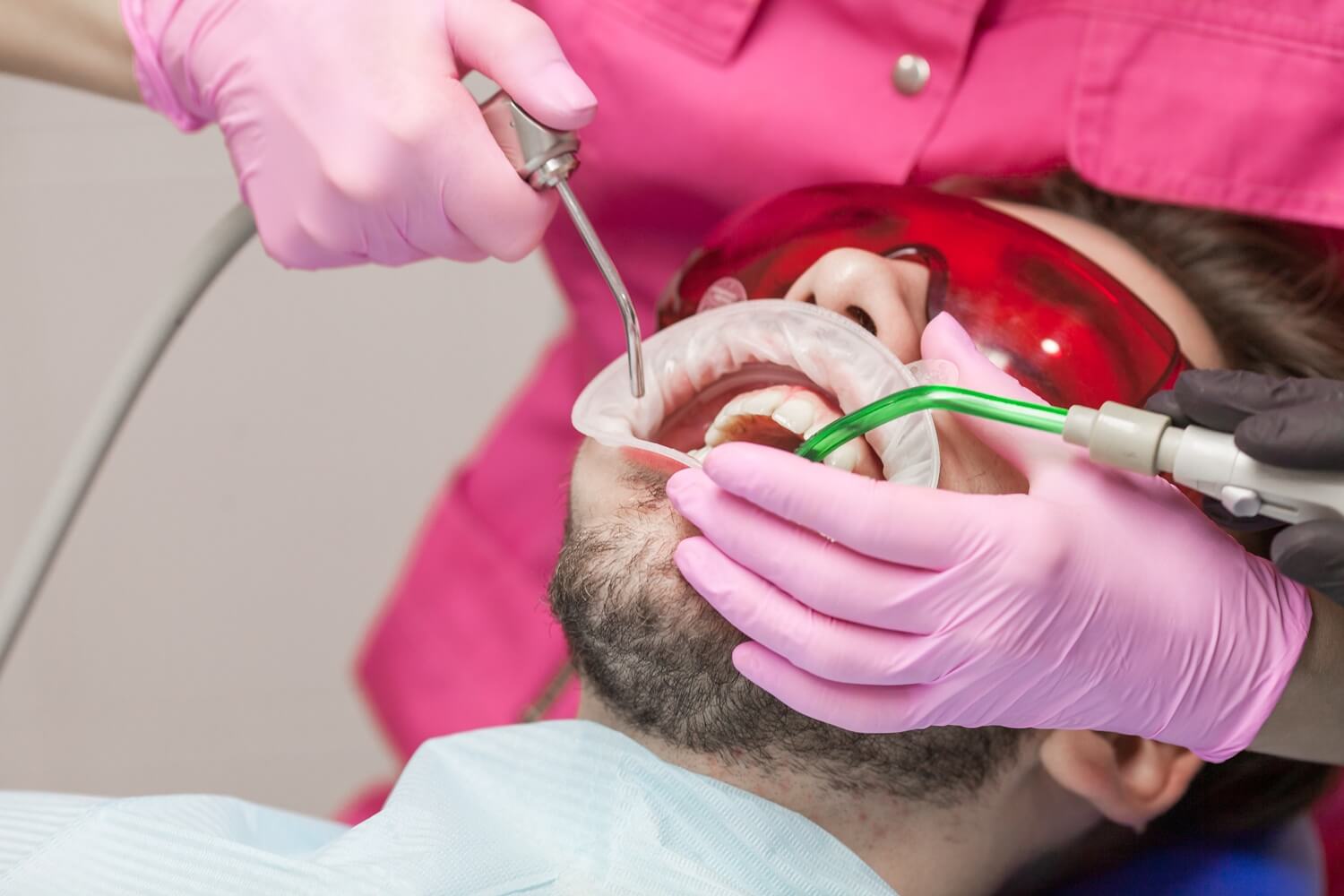
A professional teeth cleaning, often referred to as a scale and clean, is a routine dental procedure that removes plaque and tartar from the teeth and along the gumline. It is typically performed during a dental check-up and cleaning appointment.
This process involves:
- Plaque and tartar removal
- Teeth polishing to smooth the tooth surface
- Assessment of your teeth and gums
Unlike brushing and flossing at home, professional cleaning can target hardened deposits (tartar) that cannot be removed with regular oral hygiene practices.
Is Regular Teeth Cleaning Necessary?
A common question patients ask is: is regular teeth cleaning necessary?
Even with good daily habits, plaque can accumulate over time. When plaque hardens into tartar, it can only be removed by a dental professional. Professional dental cleaning plays a role in reducing plaque accumulation and improving gum health.
Regular cleaning is not just about maintaining a clean smile. It also supports early detection and prevention of oral health issues.
Key Benefits of Regular Teeth Cleaning
1. Plaque and Tartar Removal
One of the main reasons for routine teeth cleaning is effective plaque and tartar removal. While plaque can be managed with daily brushing and flossing, tartar (hardened plaque) cannot be removed at home.
If left to build up, tartar can irritate the gums and create an environment where bacteria thrive, increasing the risk of oral health concerns.
2. Gum Disease Prevention
Regular teeth cleaning services play an important role in gum disease prevention. Early-stage gum disease, known as gingivitis, can develop when plaque accumulates along the gumline.
Research shows that consistent plaque control was associated with reduced risk of gingivitis and improved periodontal health.
3. Support for Gingivitis Treatment
If you’re already experiencing signs of gum inflammation, professional cleaning can support gingivitis treatment. By removing plaque and tartar, it helps reduce the source of irritation and allows the gums to recover more effectively.
Early management is important, as untreated gingivitis may progress to more advanced gum conditions.
4. Early Detection of Periodontal Disease
Routine visits allow your dentist to check for early signs of periodontal disease, such as:
- Bleeding gums
- Gum recession
- Persistent bad breath
Early detection allows for timely management and helps prevent progression.
5. Fresher Breath
Bad breath (halitosis) causes are often linked to plaque build-up and bacteria in the mouth. Removing these through professional cleaning can help improve breath freshness.
6. Teeth Polishing Benefits
Following the cleaning process, teeth are usually polished to remove surface stains and smooth the enamel.
Teeth polishing benefits include:
- A cleaner, brighter-looking smile
- A smoother tooth surface, making it harder for plaque to stick
This step not only enhances appearance but also supports ongoing oral hygiene.
How Often Should You Get Your Teeth Cleaned?
Many patients ask about how often to get teeth cleaned. However, there is no definite answer to it. By general rule of thumb, the ideal frequency is typically once every six months.
However, the answer can vary depending on individual needs, but routine dental visits are typically recommended at regular intervals.
Factors that may influence frequency include:
- Your oral hygiene habits
- History of gum disease
- Presence of plaque or tartar build-up
Your dentist will recommend a schedule tailored to your oral health.
What to Expect During a Dental Check-Up and Clean
A dental check-up and clean is a comprehensive appointment that focuses on both prevention and assessment.
Most dental check-up and cleans are usually straightforward. But for our clinic at Brunswick Dental Practice, a check-up and cleaning typically includes:
- Review of your medical and dental history
- Clinical examination of teeth and gums
- Assessment of existing restorations
- Screening of soft tissues
- Bite assessment
- Radiographs (X-rays) where clinically indicated
Maintain Your Oral Health with Regular Care
Regular teeth cleaning is an important part of maintaining healthy teeth and gums. While daily brushing and flossing are essential, professional care helps manage plaque build-up, support gum health, and detect issues early.
If it’s been a while since your last dental visit or you have been considering getting a dental check-up and cleaning in Brunswick, VIC, a consultation with a qualified dentist can help you understand your needs and create a personalised care plan.
Visit our clinic at Brunswick Dental Practice for a thorough assessment and cleaning. Book an appointment with our team today to have your teeth protected.
Frequently Asked Questions
Is regular teeth cleaning necessary?
Yes, regular teeth cleaning is an important part of preventive dental care. Even if you brush and floss every day, plaque and tartar can still build up in hard-to-reach areas and may contribute to gum problems, bad breath, and other oral health concerns.
What happens during a professional teeth cleaning?
A professional teeth cleaning or scale and clean usually involves plaque and tartar removal, teeth polishing, and an assessment of your teeth and gums. It is often done as part of a dental check-up and clean appointment.
How often should you get your teeth cleaned?
For many people, regular cleaning every six months is a common guide. However, the ideal frequency can vary depending on your oral hygiene habits, plaque build-up, and history of gum disease. Your dentist can recommend a schedule that suits your needs.
Can teeth cleaning help prevent gum disease?
Yes, regular teeth cleaning services can support gum disease prevention by removing plaque and tartar from around the gumline. This helps lower the risk of gingivitis and may reduce the chance of more advanced periodontal issues developing.
Does teeth cleaning help with bad breath?
Yes, bad breath is often linked to plaque, tartar, and bacteria in the mouth. Professional cleaning can help remove these contributing factors and improve breath freshness.
What is the difference between plaque and tartar?
Plaque is a soft, sticky film of bacteria that forms on the teeth each day. Tartar is hardened plaque that cannot be removed by brushing and flossing alone and usually requires professional plaque and tartar removal.
Does teeth polishing whiten teeth?
Teeth polishing does not whiten teeth in the same way as whitening treatment, but it can remove some surface stains and leave your teeth looking cleaner and brighter.
What are the signs that I may need a dental check-up and clean?
Signs may include bad breath, bleeding gums, visible tartar build-up, gum tenderness, or simply not having had a dental visit in some time. A dental check-up and clean can help assess your oral health and address early concerns.