


Investing in teeth veneers, or dental veneers, is a step towards achieving a more confident and balanced smile, but maintaining that result requires ongoing care. You might be wondering: do veneers need special attention? Or can you care for them just like natural teeth?
While veneers are designed to be durable, their longevity depends on how well they are maintained day to day. With the right veneer care and maintenance routine, you can help preserve their appearance and function for years to come.
In this article, we will help you understand the practical and easy-to-follow tips on how to take care of your veneer teeth, so you can protect your smile and get the most out of your treatment.
Understanding Veneer Aftercare
Veneers are thin shells, commonly made from porcelain or composite, bonded to the front surface of your teeth to improve their appearance. Although they are strong, they are not indestructible, which is why proper veneer aftercare is essential.
The key to the long-term success of veneers is closely linked to how the patient maintains their veneers and their oral hygiene practices. Here are seven tips for you to take care of your veneers.
1. Maintain Good Oral Hygiene
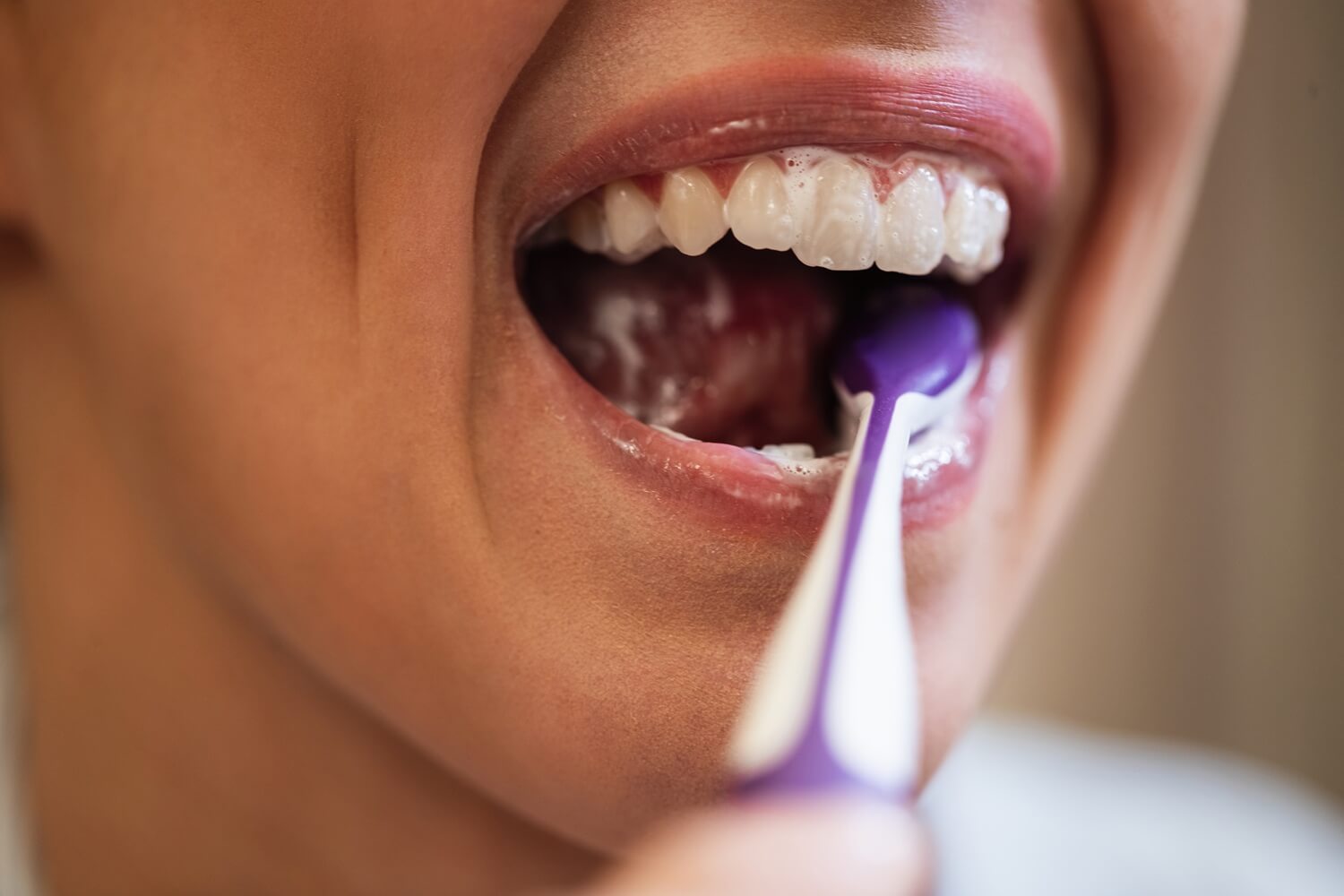
One of the most important aspects of how to clean veneers is maintaining consistent oral hygiene.
- Brush your teeth at least twice daily using a soft-bristled toothbrush
- Use non-abrasive toothpaste to avoid scratching the veneer surface
- Floss daily to remove plaque between teeth
Good brushing and flossing with veneers helps protect your veneers, underlying natural teeth and gums.
2. Be Mindful of Staining Foods and Drinks
Although porcelain veneers are more resistant to stains than natural teeth, they are not completely stain-proof, especially composite veneers.
To reduce staining, try to:
- Limit coffee, tea, and red wine
- Rinse your mouth with water after consuming staining foods
- Maintain regular dental cleans
In this research, it was shown that pigmented foods and beverages were associated with surface staining over time, particularly in restorative materials.
3. Avoid Using Your Teeth as Tools
Using your dental veneers to open packaging or bite hard objects (like ice or pens) can increase the risk of damage.
To prevent your veneers from getting damaged, you should:
- Avoid biting into hard foods like ice or hard lollies
- Use appropriate tools instead of your teeth
- Be cautious with foods that require strong biting force
4. Address Teeth Grinding (Bruxism)
Veneers and teeth grinding (bruxism) can be a challenging combination. Grinding or clenching can place excessive pressure on veneers, increasing the risk of wear or damage.
If you grind your teeth, your dentist may recommend a night guard for your veneers to protect them while you sleep. Habits, such as bruxism, may likely increase the risk of your restoration failing because of the pressure.
5. Attend Regular Dental Check-Ups
Routine dental visits are essential for monitoring the condition of your veneers and overall oral health.
Regular dental check-ups for veneers may include:
- Professional cleaning to remove plaque and surface stains
- Assessment of veneer integrity
- Guidance on ongoing care
These visits support early intervention and help maintain long-term results.
6. Understand the Difference: Porcelain vs Composite Care
Two of the most common types of veneers are porcelain and composite veneers. And when it comes to porcelain vs composite veneer care, there are slight differences:
- Porcelain veneers are more resistant to staining and generally last longer
- Composite veneers may require more maintenance and are more prone to discolouration
Many would say that porcelain restorations offer greater colour stability compared to composite materials over time. However, the type of veneer that will suit you should be discussed during your assessment. That way, you will also know whether a veneer type suits you, your budget and your lifestyle.
7. Know What Affects Veneer Lifespan
Many patients ask about veneer lifespan / how long veneers last. While veneers are designed to be durable, their longevity also depends on several factors:
- Oral hygiene habits
- Diet and lifestyle choices
- Presence of habits like teeth grinding
- Regular dental care
With proper veneer care and maintenance, veneers can last for many years.
Protect Your Smile and Make Your Veneers Last
Caring for your veneers does not have to require complicated routines, but it does rely on one’s consistency. By maintaining good oral hygiene, being mindful of daily habits, and attending regular dental visits, you can help preserve the appearance and function of your veneers over time.
If you’ve recently had veneers placed or are considering treatment, a personalised consultation can help you understand the most suitable approach for your needs and how to care for your smile long-term.
When you’re in Brunswick, VIC, you can always ask our dentists at Brunswick Dental Practice to help you understand whether a veneer treatment is suitable for you.
Schedule a consultation with us today to know more about how veneers may be helpful for your teeth.
Frequently Asked Questions
How do you take care of veneers?
Taking care of veneers involves maintaining good oral hygiene, including brushing twice daily with a soft-bristled toothbrush, flossing daily, and attending regular dental check-ups. Avoiding habits like biting hard objects can also help protect your veneers.
Do veneers require special care?
Veneers do not require complicated care, but they do need consistent maintenance. Using non-abrasive toothpaste, avoiding excessive force when biting, and following your dentist’s advice can help maintain their condition.
Can veneers get stained?
Porcelain veneers are more resistant to staining than natural teeth, but they can still discolour over time. Composite veneers may be more prone to staining. Limiting coffee, tea, and red wine may help reduce the risk.
How long do veneers last?
The lifespan of veneers varies depending on factors such as oral hygiene, lifestyle habits, and regular dental care. With proper veneer care and maintenance, they can last for many years.
Can I brush and floss normally with veneers?
Yes, you can brush and floss your teeth as normal. In fact, good brushing and flossing habits are essential to maintain the health of your veneers and surrounding teeth.
What happens if I grind my teeth with veneers?
Teeth grinding (bruxism) can place pressure on veneers and may increase the risk of damage. Your dentist may recommend a custom night guard to help protect your veneers while you sleep.
Are porcelain veneers better than composite veneers?
Porcelain veneers are generally more resistant to staining and may last longer, while composite veneers may require more maintenance. The most suitable option depends on your individual needs and should be discussed with your dentist.