


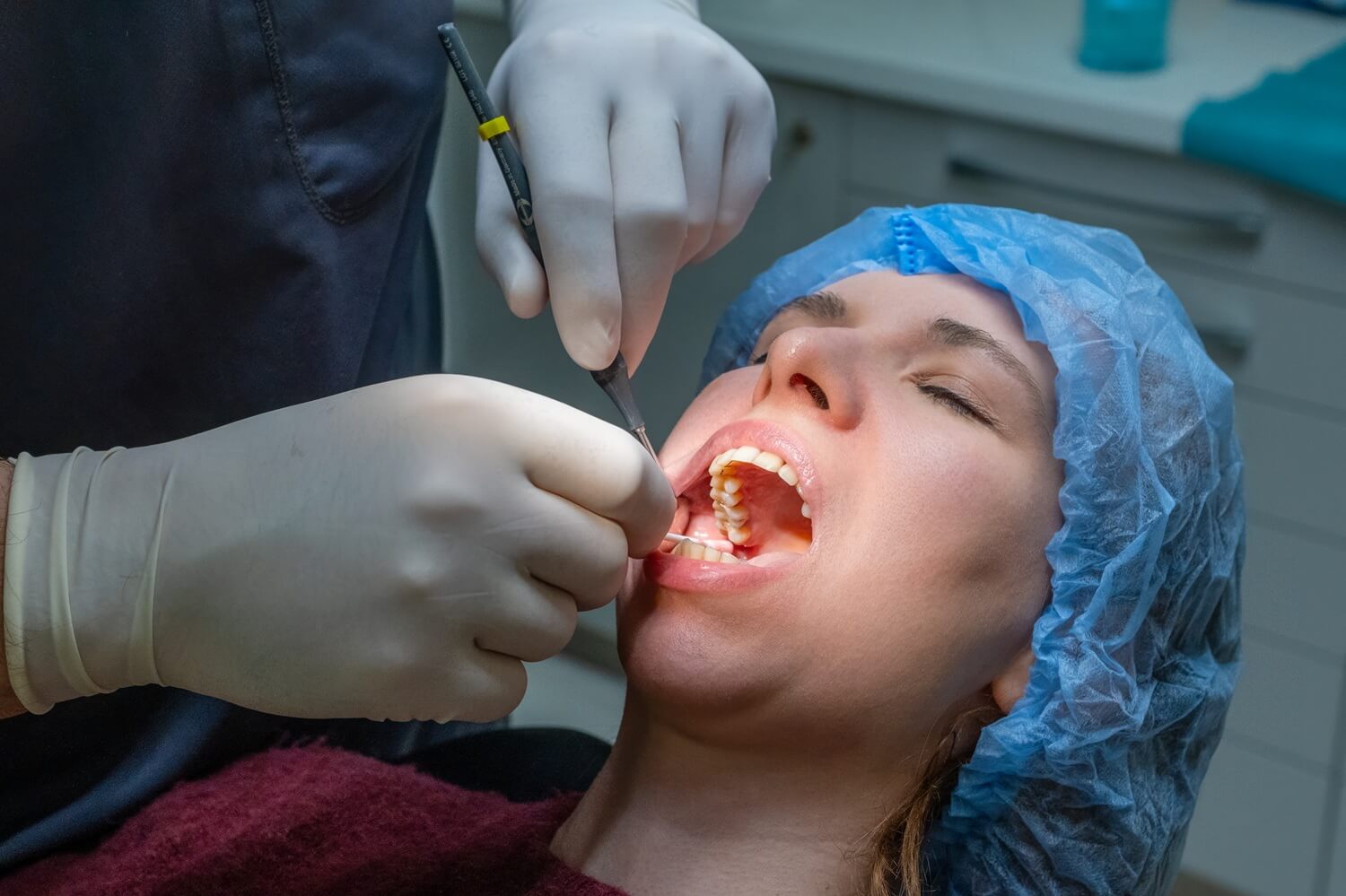
Having a tooth removed is a common dental procedure, but what happens in the days that follow matters just as much as the extraction itself. Most people recover without any significant issues, but when healing does not go as expected, it can be uncomfortable and may require a follow-up appointment.
Knowing what to expect from the tooth extraction healing process, and understanding which habits to avoid may help you achieve a smooth recovery journey.
In this article, we will walk you through the most common healing problems after extraction, what causes them, and the practical steps you can take to avoid them.
What Normal Tooth Extraction Healing Looks Like
In a straightforward tooth extraction recovery, the socket begins to heal within the first 24 hours as a blood clot forms over the extraction site. This clot is a critical part of the healing process, as it protects the underlying bone and nerve tissue while new tissue gradually forms over the socket.
According to Healthdirect, some bleeding, swelling, and discomfort in the first one to three days are to be expected and are a normal part of the body’s healing response. By the end of the first week, most people find that discomfort has significantly reduced and the socket is beginning to close over. Full healing of the bone beneath can take several weeks to months, depending on the size of the extraction site and individual factors.
Common Healing Problems and What Causes Them
Dry Socket (Alveolar Osteitis)
Dry socket is the most common complication following tooth extraction. It occurs when the blood clot that forms in the socket is dislodged or dissolves before the site has healed, leaving the underlying bone exposed.
This may cause a notable increase in pain, typically starting two to four days after the extraction, along with a dull, radiating ache that may extend toward the ear or jaw.
Dry socket is more common after lower back tooth extractions, particularly wisdom teeth, and in patients who smoke. That’s why actions that create suction in the mouth, such as drinking through a straw, smoking, or vigorous rinsing, are the most common causes of clot displacement.
Post-Extraction Bleeding
Some post-extraction bleeding in the first few hours is normal. However, persistent or heavy bleeding beyond this window warrants attention from your dentist.
Bite firmly on a clean gauze pad for 30 to 45 minutes to help encourage clot formation. If bleeding continues, contact your dentist for guidance rather than attempting to manage it at home without advice.
Swelling and Bruising
Swelling after tooth extraction typically peaks around 48 hours post-procedure before gradually subsiding. Applying a cold pack to the outside of the face in 20-minute intervals during the first 24 hours can help manage this.
Bruising around the jaw or cheek is also possible and generally resolves on its own within a week or two.
Infection Signs After Extraction
While infection is less common when aftercare instructions are followed, it is worth knowing the signs. If you notice any of the following, contact your dentist promptly:
- Increasing pain or swelling beyond the third day rather than improving
- A fever alongside dental discomfort
- Discharge from the socket
- A persistent unpleasant taste that doesn’t resolve
When these are still left untreated, a post-extraction infection can become more involved.
Practical Tooth Extraction Aftercare Tips
Following your dentist’s aftercare instructions is the most effective way to support a smooth recovery. Here’s what to keep in mind:
- Protect the blood clot: Avoid drinking through straws, spitting forcefully, or rinsing vigorously for the first 24 hours. All of these can dislodge the clot
- When to rinse after extraction: After the first 24 hours, gently rinsing with warm salty water two to three times a day can help keep the socket clean
- Smoking after tooth extraction: Smoking significantly increases the risk of dry socket and slows healing. It is best avoided for at least 72 hours, and ideally, quit smoking entirely.
- Soft foods after extraction: Stick to soft, cool or lukewarm foods for the first few days. These may include yoghurt, mashed potato, scrambled eggs, and soup. Avoid hard, crunchy, or chewy foods that may disturb the site
- Pain management after extraction: Over-the-counter pain relief, such as paracetamol or ibuprofen (where appropriate), can help manage discomfort. Follow the directions on the packaging and any specific advice from your dentist
- Rest and activity: Take it easy for the remainder of the day. Avoid strenuous physical activity for 24 to 48 hours, as this can increase bleeding
When to Contact Your Dentist
Most extractions heal without complication when aftercare guidelines are followed. However, you should contact your dentist if you experience:
- Pain that worsens significantly after the third day rather than improving
- Swelling that is increasing rather than settling
- Any infection signs after extraction, such as fever, discharge, or a worsening taste
- Heavy or persistent post-extraction bleeding that does not respond to gentle pressure
If symptoms suggest something more urgent, such as spreading swelling or difficulty swallowing, seek care promptly. Our team at Brunswick Dental Practice also offers dental emergency care for patients who want to reach us outside of regular hours.
Protect and Heal After Extraction
Good tooth extraction recovery comes down to a few simple but important habits in the days following your procedure. If you have any concerns about how your socket is healing, or if something does not feel right, don’t hesitate to get in touch with your dentist. It’s always better to have it checked early.
Our team at Brunswick Dental Practice is here to support you through your tooth extraction and recovery.
Book an appointment to know more about whether a tooth extraction is suitable for you and the proper recovery care you may need.
Frequently Asked Questions
How long does tooth extraction healing take?
Most of the discomfort and visible swelling settle within the first week. Full healing of the socket and underlying bone can take several weeks to a few months, depending on the size of the extraction and individual factors.
What is dry socket and how do I know if I have it?
Dry socket occurs when the blood clot over the extraction site is lost, exposing the bone beneath. It typically causes a sharp increase in pain two to four days after extraction, often radiating toward the ear or jaw. Contact your dentist if you suspect it to be treated early.
Can I brush my teeth after an extraction?
Yes, but avoid the extraction site for the first 24 hours. After that, brush gently around the area and use warm salty water rinses to keep it clean.
When can I eat normally after a tooth extraction?
Stick to soft foods after extraction for the first few days and avoid hard, chewy, or crunchy foods near the extraction site. Most people can return to a normal diet within a week, depending on how healing progresses.
What are the signs of infection after tooth extraction?
Signs include increasing pain or swelling after day three, fever, an unpleasant taste or discharge from the socket, and generally feeling unwell. Contact your dentist promptly if these occur.