


Mouth ulcers are one of those small but genuinely disruptive oral health issues that most Australians deal with at some point, often without ever quite knowing why they appeared or what to do about them. And while the majority clear up on their own within a week or two, there are situations where a mouth ulcer is worth paying closer attention to.
Understanding what causes them, how to ease the discomfort, and when it’s time to check in with a dentist can help you tell the difference between something ordinary and something that needs a professional look.
In this article, we’ll walk through the causes of mouth ulcers, the options for relief, and the warning signs that mean it may be time to see your dentist.
What Are Mouth Ulcers?
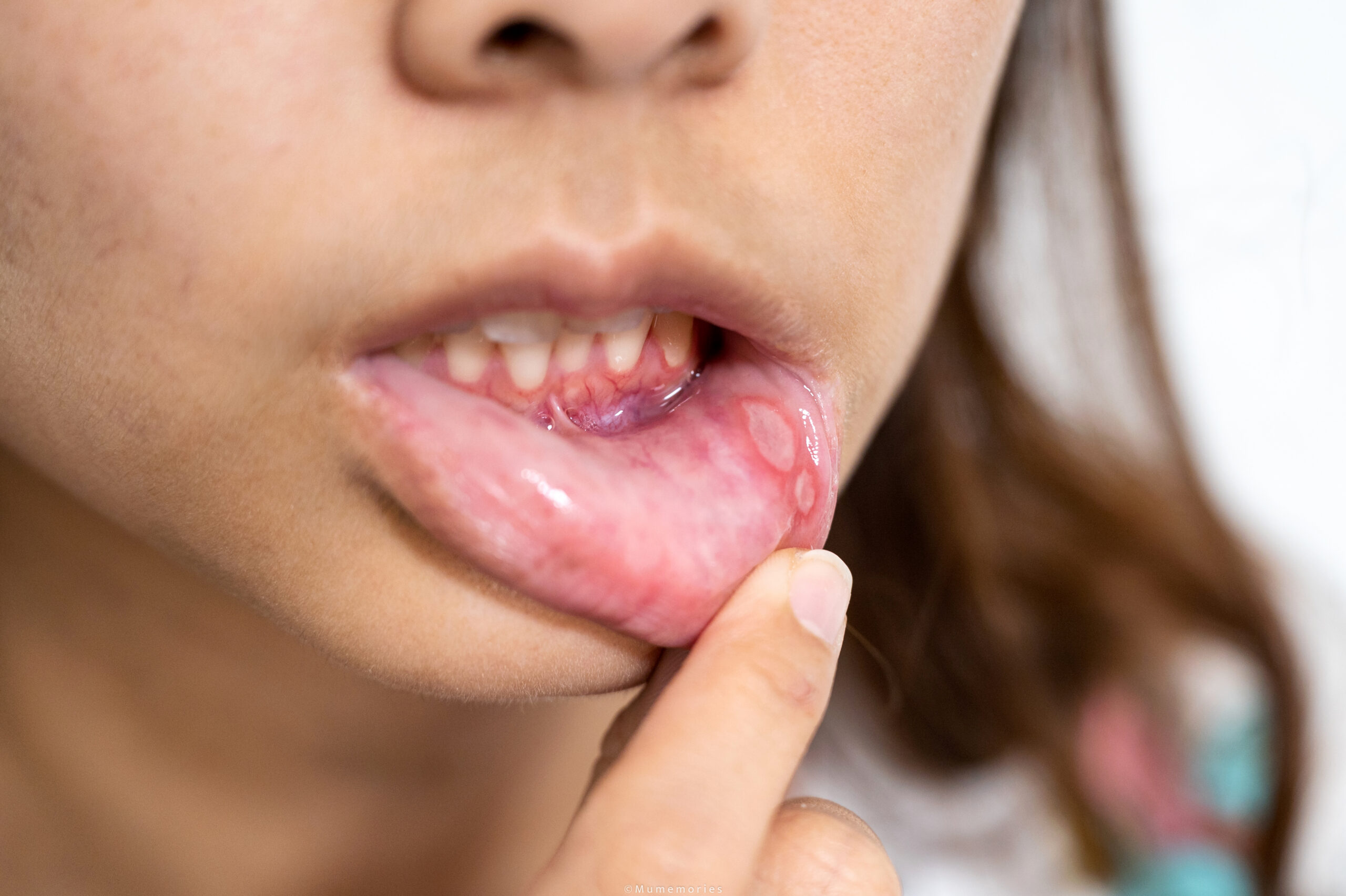
A mouth ulcer is a small sore that develops on the soft tissues inside the mouth, like the inner lips, cheeks, gums, tongue, or the floor of the mouth. They’re also known as aphthous ulcers or canker sores, and they usually appear as a whitish or yellowish spot surrounded by a red border.
Mouth ulcers are not contagious, and they’re different from cold sores. If you’re wondering about the distinction between cold sore vs mouth ulcer, it’s this: cold sores are caused by the herpes simplex virus and typically appear on the outside of the lips, while mouth ulcers form inside the mouth and aren’t related to a viral infection.
What Causes Mouth Ulcers?
If you’ve ever wondered what causes mouth ulcers, the exact trigger isn’t always clear. However, several common factors are known to increase the likelihood of developing one.
Common mouth ulcer causes include:
- Minor mouth injuries — from accidentally biting the inside of your cheek, brushing too hard, or catching your tongue on a sharp tooth
- Braces, dentures, or orthodontic aligners that rub against the mouth
- Stress mouth ulcers — periods of high stress can trigger outbreaks in some people
- Hormonal changes, particularly around menstruation
- Vitamin deficiency mouth ulcers — low levels of iron, folate, or vitamin B12
- Certain foods such as chocolate, coffee, spicy dishes, or acidic fruits
- Toothpastes containing sodium lauryl sulphate (SLS)
- Underlying health conditions including gastrointestinal issues or immune conditions
For most people, mouth ulcers are a one-off nuisance rather than a sign of anything serious.
Where Mouth Ulcers Commonly Appear
Mouth ulcers on the tongue, along the gumline, or mouth ulcer inside the cheek areas are all common presentations. They can also appear:
- On the underside of the tongue
- Along the inner lips
- On the soft palate (the back roof of the mouth)
- At the base of the gums
Where they are located in the mouth often points to the trigger. For example, an ulcer next to a rough tooth might suggest ongoing friction, while one near a bracket may relate to orthodontic irritation.
How Long Do Mouth Ulcers Last?
Patients often ask how long do mouth ulcers last. In most cases:
- Minor ulcers heal on their own within 7 to 14 days
- Larger ulcers may take several weeks to resolve
- Ulcers persisting beyond 3 weeks should be reviewed by a dentist or doctor
If a mouth ulcer isn’t showing signs of improvement after two weeks, it’s worth booking a check-in, most especially if it keeps returning to the same spot.
How to Get Rid of Mouth Ulcers at Home
For most people, it comes down to easing the discomfort while the sore heals naturally. Simple mouth ulcer relief strategies you may do even at home may include:
- Rinsing with warm salt water several times a day
- Using an over-the-counter numbing gel to reduce pain
- Avoiding spicy, acidic, or crunchy foods that can irritate the sore
- Drinking through a straw to reduce contact with the ulcer
- Choosing an SLS-free toothpaste if you’re prone to ulcers
- Using a soft-bristled toothbrush to reduce further irritation
- Staying well hydrated to support healing
Most ulcers ease within a few days of consistent care, even without prescription treatment. If it doesn’t improve, it may be best to check in with a dentist.
Mouth Ulcer Treatment Options at the Dentist
When home remedies aren’t enough, professional mouth ulcer treatment at the dentist may be needed. This is especially helpful for larger, more painful, or persistent sores.
Options your dentist may discuss include:
- Prescription-strength mouth rinses to reduce inflammation
- Topical corticosteroid gels for severe cases
- Smoothing a rough tooth or filling if it’s the source of irritation
- Adjusting braces or dentures if they’re rubbing the same spot
- Investigating underlying causes such as nutritional deficiencies
A consultation is required so your dentist can identify the trigger and recommend the most appropriate approach.
When to See a Dentist for a Mouth Ulcer
Most mouth ulcers are harmless. However, some signs indicate a mouth ulcer that won’t heal may need professional review.
Book an appointment if you notice:
- A mouth ulcer lasting more than 3 weeks
- Recurring mouth ulcers that keep appearing in the same spot
- Unusually large or painful ulcers
- Ulcers accompanied by fever or general unwellness
- A lump, thickening, or firm patch near the ulcer site
- Bleeding or numbness in the area
Many patients will also ask if they have a mouth ulcer or cancer. While the vast majority of mouth ulcers are benign, persistent sores (especially those that don’t cause pain, bleed easily, or have unusual edges) should always be professionally examined.
Early assessment is the safest approach to know better.
Take the Guesswork Out of Persistent Mouth Ulcers
Most mouth ulcers pass without much fuss, but a sore that lingers, keeps coming back, or looks unusual is worth a closer look. If you’ve been dealing with a mouth ulcer that won’t heal or you’re unsure whether what you’re seeing is normal, it may be best to talk to a dentist about it.
If you suspect signs of a mouth ulcer or just want to be more proactive with your oral health, our general dentistry services at Brunswick Dental Practice can be helpful. Our dentists cater to patients in and near Brunswick, VIC.
Book a checkup with us to learn more.
Frequently Asked Questions
Are mouth ulcers contagious?
No. Mouth ulcers are not contagious and can’t be spread through kissing, sharing food, or drinks. This is one of the key differences between a canker sore and a cold sore, which is caused by the herpes simplex virus.
Can vitamin deficiencies cause mouth ulcers?
Yes. Deficiencies in iron, folate, and vitamin B12 can contribute to recurring mouth ulcers. If ulcers keep returning, it may be worth speaking with your GP about a blood test to check for underlying nutritional causes.
Should I use antiseptic mouthwash on a mouth ulcer?
Strong or alcohol-based antiseptic mouthwashes may actually irritate an existing ulcer. Warm salt water rinses or specific ulcer-treatment products are generally gentler and better tolerated.
When should I be concerned about a mouth ulcer?
Any mouth ulcer that hasn’t healed after three weeks, keeps returning in the same spot, or is painless with unusual features should be professionally reviewed. Early assessment provides peace of mind and allows any underlying concerns to be addressed sooner.