


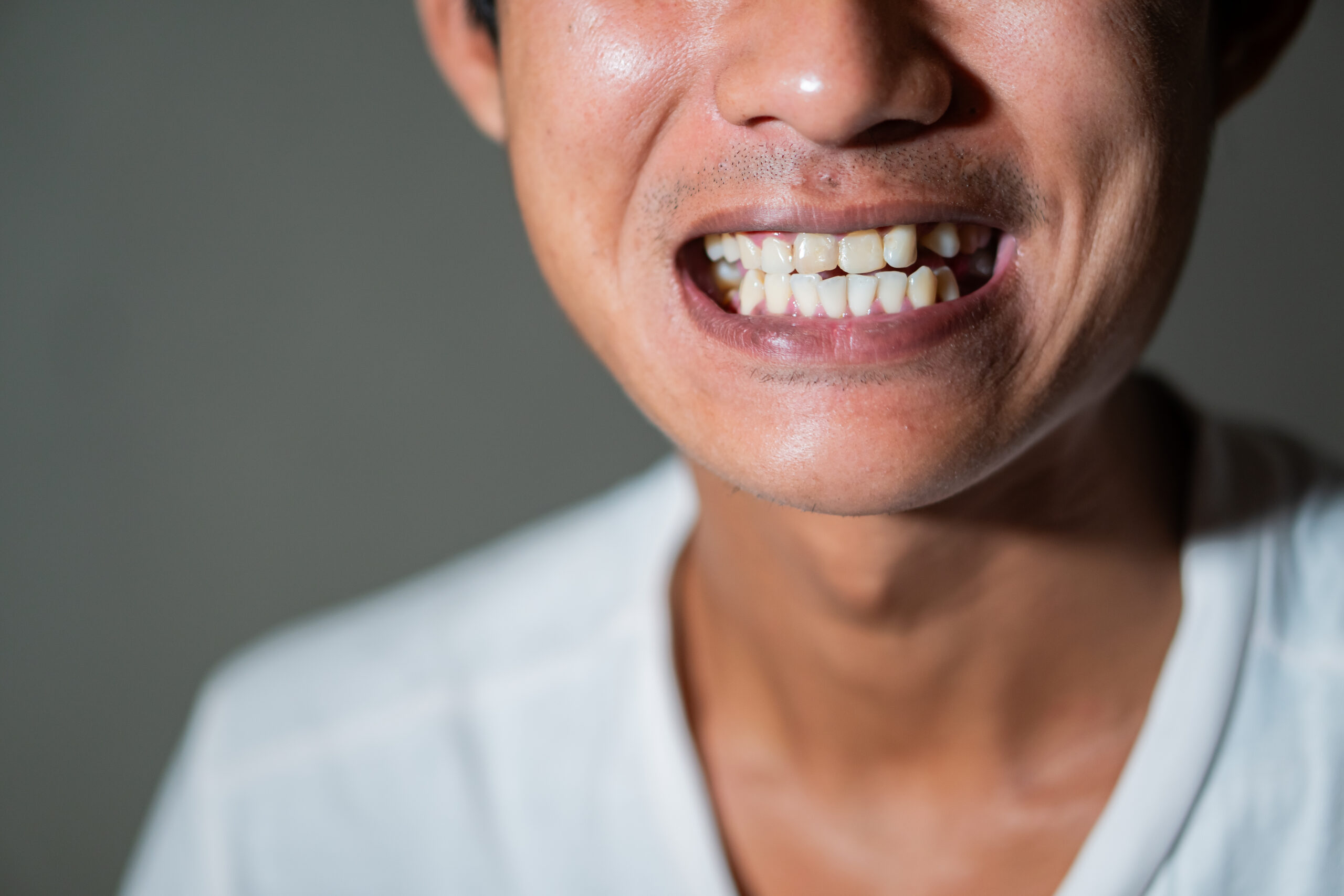
Most people don’t think about their enamel until something feels off, like a passing sensitivity, a change in how a tooth looks, or a comment from the dentist during a routine check-up. By the time these signals become noticeable, enamel erosion has often been quietly developing for months or even years, worn down gradually by everyday habits that seem harmless in isolation.
The encouraging news is that erosion doesn’t have to keep progressing. At the earliest stage (before enamel is physically lost), your daily routine, diet, and professional dental care can do more than you might expect to slow the process and support the enamel that remains.
Let us help you understand what enamel erosion actually is, what may be reversed at the earliest stages, and the practical steps you can take to protect your teeth going forward.
What Is Enamel Erosion?
Tooth enamel erosion is the gradual loss of the outer, mineralised layer of the tooth caused by direct contact with acid rather than by bacteria. Unlike a cavity, it doesn’t create a defined hole; instead, the tooth surface is softened and worn away over time.
Once enamel is physically lost, it cannot regrow. That’s why understanding and acting on the early warning signs is so important.
If you’re new to the topic, our article on the signs of dental erosion walks through what to look for and how erosion differs from decay.
Common Causes of Tooth Enamel Erosion
The most common driver of acid erosion of teeth is exposure to acidic substances in the mouth, whether they come from your diet, your stomach, or certain lifestyle habits.
Common causes include:
- Acidic foods and tooth erosion triggers such as citrus fruits, vinegar, and tomato-based sauces
- Fizzy drinks, sports drinks, and fruit juices consumed frequently or sipped over long periods
- Stomach acid from reflux, GORD, or frequent vomiting
- Dry mouth, which reduces saliva’s ability to neutralise acid
- Certain medications including some antihistamines and chewable vitamin C
- Habits like teeth grinding that accelerate wear on already softened enamel
- Brushing too hard or brushing immediately after acidic foods
Signs of Enamel Erosion to Watch For
The signs of enamel erosion often appear gradually, which is why they’re easy to miss until they become more noticeable. Common early signs include:
- Tooth sensitivity — early enamel damage often reveals itself first as a sharp response to hot, cold, or sweet foods
- Yellowing as the underlying dentine begins to show through the thinning enamel
- Smooth, shiny surfaces on the front teeth
- Small dents or cupping on the biting surfaces of back teeth
- Rounded or translucent edges on the front teeth
- Fine cracks or small chips appearing more easily than before
- Fillings that appear to sit higher as the surrounding enamel wears down
Understanding Early Stage Enamel Erosion Stages
The early stage of enamel erosion is usually where the most can be done to protect and support the tooth, so it doesn’t get damaged further. Erosion generally progresses in phases:
- Softening, where acid begins to demineralise the enamel surface
- Surface loss, where the softened layer begins to wear away
- Dentine exposure, where the yellower layer beneath enamel becomes visible
- Structural change, where teeth begin to look shorter, thinner, or misshapen
- Advanced wear, which can affect bite, function, and appearance
The earlier erosion is identified, the more options you tend to have.
Can You Reverse Tooth Enamel Loss?
The honest answer is nuanced: once enamel has been physically worn away, it cannot regrow. However, at the very earliest stage, where the enamel is not yet lost, enamel remineralisation may help harden softened enamel and slow the process by delivering minerals like calcium, phosphate, and fluoride back into the surface.
How to Strengthen Tooth Enamel Day to Day
If you’re wondering how to strengthen tooth enamel at home, small routine changes can make a real difference:
- Use a fluoride toothpaste — fluoride for enamel protection is widely supported by dental research
- Wait at least 30 minutes to brush after acidic foods or drinks
- Rinse with plain water after anything acidic
- Drink through a straw to reduce contact with acidic drinks
- Use a soft-bristled toothbrush with gentle pressure
For related preventive habits, our guide on why regular teeth cleaning matters explains how professional cleaning supports enamel health.
How to Restore Tooth Enamel Naturally
While there’s no way to physically regrow enamel, restoring tooth enamel naturally is really about supporting the mouth’s own remineralisation process. Here are a few tips you can take note of:
- Eat calcium-rich foods like dairy, leafy greens, and almonds
- Stay well hydrated to support saliva production
- Reduce snacking frequency to lower daily acid attacks
- Manage reflux or GORD with medical support where needed
Enamel Erosion Treatment at the Dentist
When erosion has progressed beyond what home care can address, professional enamel erosion treatment options may include:
- Fluoride varnish applications to strengthen remaining enamel
- Remineralising gels or professional-strength toothpastes
- Dental bonding to cover and protect worn areas
- Composite fillings to rebuild lost tooth structure
- Crowns or veneers for more advanced wear
A consultation is required so your dentist can assess how much enamel remains and what approach may suit you.
Comparing Early vs Advanced Enamel Erosion
The table below shows how signs and options typically shift as erosion progresses. Regardless, it’s still best to check with your dentist on the most appropriate treatment.
| Stage | Common Signs | Typical Options |
| Early softening | Slight sensitivity, minor smoothness | Home care, fluoride, remineralisation |
| Surface loss | Yellowing, shiny patches | Fluoride varnish, dietary changes |
| Dentine exposure | Sharper sensitivity, visible thinning | Bonding, protective coatings |
| Advanced wear | Chips, shape change, function issues | Fillings, crowns, veneers |
Take Early Action to Protect Your Enamel
Enamel erosion often creeps in quietly, but small changes can make a big difference when they happen early. If you’ve noticed any signs of enamel erosion or you’re concerned about acidic diet habits or reflux affecting your teeth, it may be best to talk to a dentist about it.
If your teeth have been feeling more sensitive lately, exploring your options for general dentistry services with a dentist is often the clearest next step. Learn more about our dental services at Brunswick Dental Practice for patients in and near Brunswick, VIC.
Book a consultation with our team to discuss your concerns.
Frequently Asked Questions
Can enamel really grow back?
No. Once enamel is physically lost, it cannot regrow. However, at the earliest stage of softening, minerals like fluoride and calcium may help support remineralisation and strengthen the enamel that remains.
Is enamel erosion the same as tooth decay?
No. Enamel erosion is caused by acids wearing down the tooth surface, while tooth decay is caused by bacteria producing acid from sugars. Both can occur together, but the causes and treatments differ.
Does fluoride toothpaste help reverse erosion?
Fluoride toothpaste may help strengthen and remineralise softened enamel at the earliest stage of erosion. However, it cannot rebuild enamel that has already been lost, but it plays a valuable role in prevention and early support.
How often should I see a dentist if I’m worried about erosion?
Most patients benefit from a check-up every 6 to 12 months, though your dentist may recommend more frequent visits if erosion is active. Regular reviews allow early changes to be monitored before they progress further.