


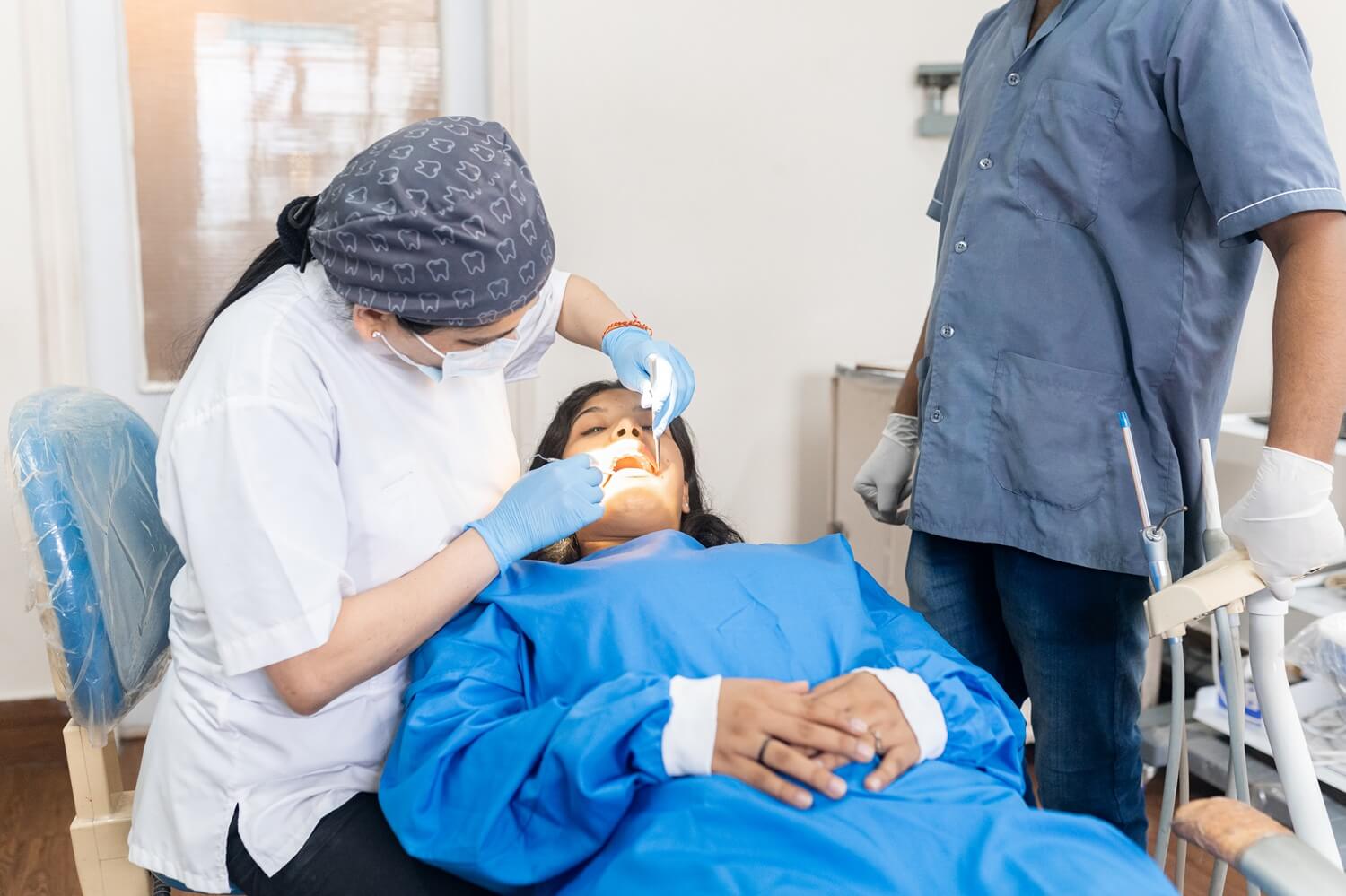
A dental emergency rarely announces itself in advance. Whether it’s a knocked-out tooth at a weekend sports game, a sudden severe toothache in the middle of the night, or a broken tooth at a family dinner, these situations tend to happen when you least expect them and feel most unprepared.
Having a basic plan in place before an emergency occurs can make a real difference to the outcome. Knowing what to do in the first few minutes, what to have on hand, and who to call can help you stay calm and act quickly when it counts.
Let us help walk you through the most common dental emergencies, what to do in each situation, and how to put together a simple emergency dental checklist for your household.
What Counts as a Dental Emergency?
Not every dental concern requires the same-day emergency dental care. Understanding the difference between urgent and non-urgent situations helps you respond appropriately.
Situations that generally require prompt emergency dental treatment include:
- A knocked-out permanent tooth
- A tooth that has been fractured or displaced due to trauma
- Severe, unrelenting toothache that is not responding to pain relief
- Significant swelling in the face or jaw
- Dental abscess warning signs, like a fever, spreading swelling, or difficulty swallowing
- Uncontrolled bleeding gums in emergency care situations following trauma or a recent procedure
- A lost crown or filling causing sharp pain or sensitivity that is affecting function
Situations that are uncomfortable but can generally wait for a scheduled appointment include a mildly chipped tooth with no pain, a lost filling with no acute sensitivity, or a dull ache that comes and goes.
When in doubt, call your dentist. Most practices can advise over the phone whether same-day emergency dental services are needed.
What to Do in Common Dental Emergencies
Knocked-Out Tooth First Aid
A knocked-out permanent tooth is one of the most time-sensitive dental emergencies. The sooner the tooth is reimplanted or assessed by a dentist, the better the chance of saving it.
Here’s what to do:
- Pick the tooth up by the crown (the white part), not the root
- If it is dirty, rinse gently with milk or saline. Do not scrub or use tap water
- If possible, place the tooth back in the socket and hold it gently in position
- If reimplanting is impossible, store the tooth in milk or between the cheek and gum to keep it moist
- Seek emergency dental treatment immediately, ideally within 30 minutes
Chipped or Broken Tooth Steps
A chipped or broken tooth caused by trauma warrants a same-day assessment, particularly if there is pain, sharp edges, or exposure of the inner tooth. In the meantime:
- Rinse your mouth gently with warm water
- Apply a cold pack to the outside of the face to manage swelling
- Cover any sharp edges with dental wax if available
- Avoid biting down on the affected side
What to Do for a Toothache
Knowing what to do for a toothache depends on its severity. For mild discomfort, over-the-counter pain relief and a prompt dental appointment are appropriate.
For severe, persistent pain, particularly with swelling, contact your dentist the same day. A severe toothache can indicate an abscess or infection that requires urgent attention, as we discuss in our article on what happens when root canal treatment is delayed.
Dental Abscess Warning Signs
A dental abscess is an infection that will not resolve on its own. Warning signs include intense, throbbing pain, swelling in the face or jaw, fever, a bad taste in the mouth, and a pimple-like bump on the gum.
If you experience spreading swelling or difficulty swallowing or breathing, seek medical attention immediately. This may require a hospital emergency department rather than a dental practice.
Post-Procedure Concerns
Complications following a tooth extraction or wisdom teeth removal can sometimes escalate into emergencies. Increasing pain after day three, heavy bleeding, or signs of infection, such as fever and discharge are all reasons to seek emergency dental services promptly.
Our article on healing problems after tooth extraction covers these signs in detail, including what to watch for following wisdom teeth removal.
When to Go to Hospital for Dental Pain
Most dental emergencies are best handled by a dentist, not a hospital emergency department. However, there are situations where a hospital is the right call:
- Significant swelling in the face or jaw that is spreading rapidly
- Difficulty swallowing or breathing due to dental infection
- Uncontrolled bleeding that is not responding to pressure
- High fever alongside dental pain and swelling
- Head or facial trauma that may involve more than just the teeth
In these situations, call 000 or go directly to your nearest hospital emergency department. A hospital cannot perform dental treatment, but it can manage life-threatening complications from a spreading infection or severe trauma.
Building Your Emergency Dental Kit
Having a few basic items at home can help you manage a dental emergency while you arrange professional care.
Consider putting together a simple emergency dental kit essentials pack containing:
- Dental wax or temporary filling material (available at most pharmacies)
- Sterile gauze pads
- A small container with a lid (for storing a knocked-out tooth in milk)
- Over-the-counter pain relief such as paracetamol or ibuprofen
- Your dentist’s contact number, including after-hours dentist details
- The number for your nearest hospital emergency department
Your Dentist’s Contact Details: The Most Important Item on the List
An after-hours dentist contact is the single most useful thing to have prepared before an emergency happens. Save your dental practice’s number in your phone now, along with any after-hours emergency dental services they provide.
At Brunswick Dental Practice, we understand that dental emergencies don’t always happen during business hours. Our team prioritises urgent cases and aims to provide same-day appointments where possible.
Be Prepared Before It Happens
The best time to create a dental emergency action plan is before you need one. Knowing the first aid steps, having an emergency kit ready, and saving your dentist’s number are small preparations that can make a significant difference in a stressful moment.
If you’re currently experiencing a dental emergency, contact us immediately at (03) 9386 7981. For everything else, book an appointment online. Our team at Brunswick Dental Practice is here when you need us.
Frequently Asked Questions
What counts as a dental emergency?
A dental emergency is any situation involving severe pain, trauma to the teeth or jaw, uncontrolled bleeding, or signs of spreading infection. Knocked-out teeth, dental abscesses, and significant facial swelling all require same-day attention.
Can a knocked-out tooth be saved?
In many cases, yes, if you act quickly. Store the tooth in milk or reposition it in the socket and seek emergency dental treatment within 30 minutes for the best chance of saving it.
Should I go to hospital for a toothache?
For most toothaches, a dentist is the right contact. Go to hospital if you have spreading facial swelling, difficulty swallowing or breathing, or a high fever alongside dental pain. These may indicate a serious infection.
What should I keep in a dental emergency kit?
Dental wax, sterile gauze, a small container for storing a tooth, over-the-counter pain relief, and your dentist’s contact number, including after-hours details, are the key items to have on hand.
What should I do if my dental emergency happens after hours?
Call your dental practice first. Many offer after-hours emergency dental services or can advise on the best course of action. For life-threatening symptoms, call 000 or go to your nearest hospital emergency department.