


Dental implants are often considered one of the longer-lasting tooth replacement options, but for most patients weighing them up against alternatives, the real question isn’t just whether they last. It’s how many years of use you can realistically expect and what has to happen day-to-day for that to hold true.
The answer to it doesn’t come with an exact number because it depends on many factors like the quality of the implant, the health of the surrounding bone and gums, and the care and maintenance you invest in over time.
Healthdirect mentioned that dental implants can be a long-term solution for replacing missing teeth when the surrounding jawbone and gums are healthy. Meaning an implant’s lifespan reflects the mouth it lives in.
In this article, we’ll walk through what actually shapes implant longevity, how to look after them, and what to watch for so you know when to check in with your dentist.
What Determines the Lifespan of a Dental Implant?
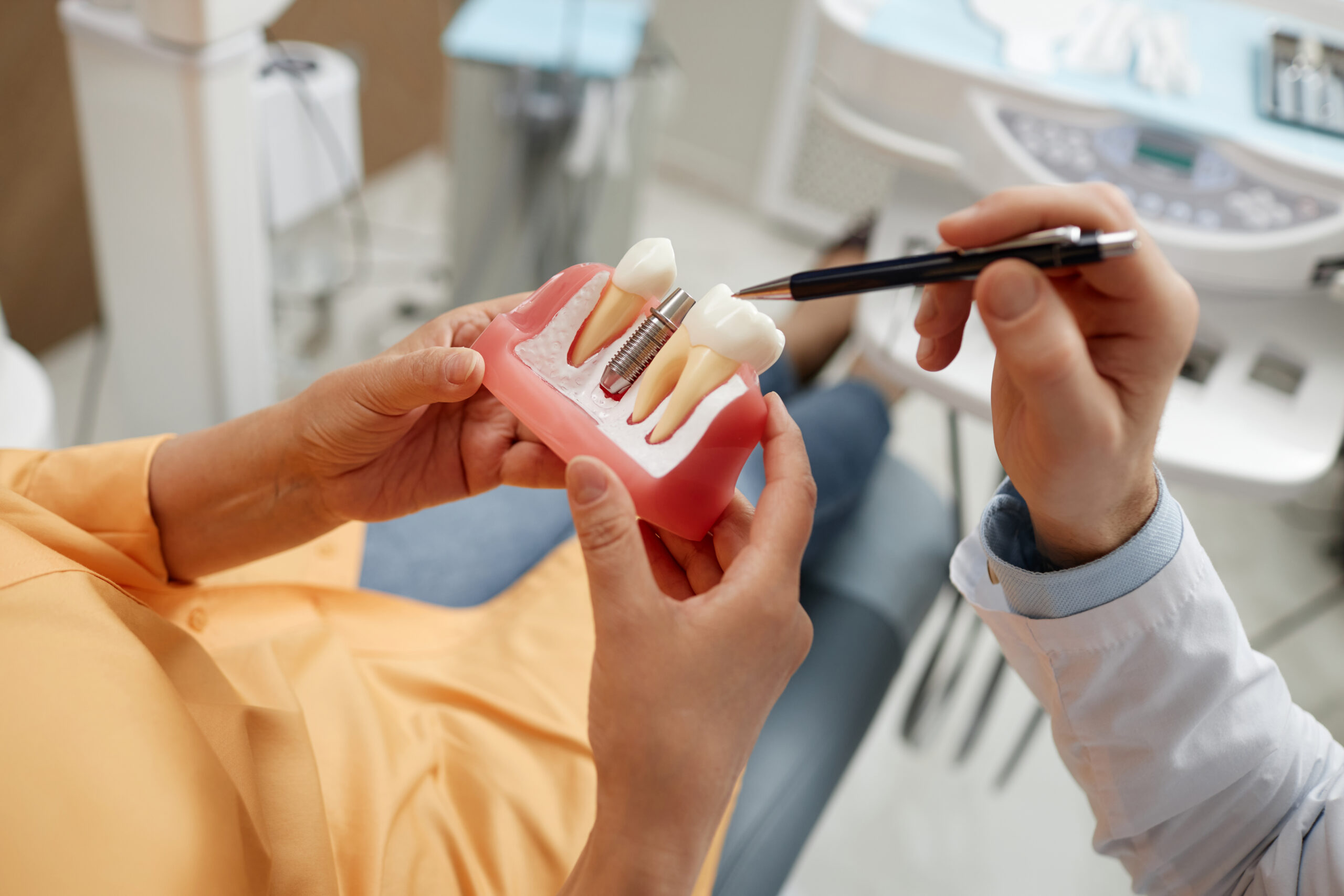
A dental implant is made up of three main parts, each with a different dental implant lifespan:
- The implant post — the titanium or zirconia screw placed in the jawbone
- The abutment — the small connector between the post and the crown
- The crown — the visible tooth-shaped restoration on top
The post is generally the longest-lasting component, while the crown typically shows wear sooner. Understanding this distinction helps set realistic expectations from the outset.
Get to know how implants work overall through our guide to what dental implants are, which covers the basics.
Life Expectancy of Dental Implants
When patients ask how long can dental implants last, the answer varies based on the component and individual circumstances. A general guide:
- The implant post — may last 20+ years, and in some cases, a lifetime
- The abutment — often lasts as long as the post with proper care
- The crown — typically lasts 10 to 15 years before it may need replacement
- Full arch restorations — vary depending on materials and wear
The life expectancy of dental implants depends heavily on the health of the surrounding bone and gums, as well as consistent care and follow-up appointments.
Factors Affecting Dental Implant Success
Several factors influence the dental implant success rate and long-term outcomes. These include:
- Oral hygiene — daily brushing and flossing around the implant
- Gum health — active gum disease can shorten implant lifespan
- Bone density — adequate bone supports the implant post
- Smoking — significantly increases the risk of implant complications
- Chronic health conditions such as uncontrolled diabetes
- Teeth grinding (bruxism) — extra pressure can wear down the crown
- Regular dental check-ups — early detection of concerns matters
The factors affecting dental implant success are largely within your control, which is why care and maintenance play such a big role in longevity.
Dental Implant Care and Maintenance
Good dental implant care and maintenance doesn’t require anything unusual. It’s basically still the same oral care routine you do with consistency and intention. If you’re thinking of how to clean dental implants, it typically involves:
- Brushing twice daily with a soft-bristled toothbrush
- Flossing daily or using interdental brushes around the implant
- Rinsing with an antibacterial mouthwash if recommended by your dentist
- Avoiding hard foods like ice or hard lollies that can chip the crown
- Wearing a night guard if you grind your teeth
- Attending regular check-ups every 6 to 12 months
Consistency is what makes the difference over time because implants that receive regular attention tend to outlast those that don’t.
How About All-on4 Dental Implants? How Long Do They Last?
Full-arch restorations often prompt the question: how long do all on 4 dental implants last? As a general reference:
- The four implant posts — may last 20+ years with proper care
- The prosthetic bridge on top — typically lasts 10 to 20 years
- Acrylic prostheses — may need earlier replacement than zirconia
- Regular maintenance visits are essential to protect the longevity of the restoration
The overall dental implant longevity of an All-on-4 restoration depends on the same factors as single implants.
Signs Your Implant May Need Attention
Even well-maintained implants can develop concerns that need review. Common dental implant failure signs to watch for include:
- Discomfort or pain around the implant site
- Swelling or redness in the surrounding gum tissue
- Bleeding when brushing or flossing near the implant
- A loose feeling in the implant or crown
- Difficulty chewing on that side
- Bad taste or persistent bad breath near the implant
Early attention to any of these can help address issues before they become more serious, including conditions like peri-implantitis, which is an inflammatory concern that affects the tissues around the implant.
Do Dental Implants Last Forever?
The honest answer is that while the implant post itself may last a lifetime for some patients, the crown and other components will typically need replacement or maintenance at some point.
Individual outcomes vary, but with good care, implants often provide many decades of reliable function.
Comparing Factors That Affect Implant Lifespan
This table will help you understand how different factors typically shorten or extend implant longevity.
| Factor | May Shorten Lifespan | May Extend Lifespan |
| Oral hygiene | Inconsistent brushing/flossing | Daily, thorough cleaning |
| Smoking | Regular smoking | Non-smoking |
| Gum health | Untreated gum disease | Healthy gums, regular cleans |
| Grinding | Untreated bruxism | Wearing a night guard |
| Check-ups | Skipping appointments | Regular 6–12 month visits |
Get the Most Out of Your Dental Implant
A dental implant is a long-term investment in your oral health, and how long it lasts often comes down to consistent care and regular reviews. If you’re considering dental implants or you’d like to make sure your existing implant is being looked after well, it may be best to talk to a dentist about it.
If you’d like to explore your options, checking in with a dentist is often the clearest next step. For patients in or around Brunswick, VIC, Brunswick Dental Practice is here to help you get a clearer understanding of your case and provide recommendations to address concerns.
Book an appointment with our team to know if dental implants are the appropriate option for you.
Frequently Asked Questions
How long do dental implants last on average?
The implant post itself may last 20 years or more, and in some cases a lifetime, while the crown typically lasts 10 to 15 years before it may need replacement. However, individual outcomes still heavily depend on oral hygiene, general health, and regular dental care.
What is the most common cause of dental implant failure?
Peri-implantitis is one of the more common causes. It is an inflammatory condition affecting the gum and bone around the implant. Poor oral hygiene, smoking, and untreated gum disease are key risk factors for why this happens.
Can dental implants be replaced if they fail?
In most cases, yes. A failed implant can typically be removed and replaced, though additional treatment such as a bone graft may be needed depending on the condition of the surrounding jawbone.
Are dental implants worth it long term?
Many patients find dental implants a durable and stable long-term option compared to bridges or dentures. A consultation is required to determine whether they may suit your circumstances and long-term goals.