


A dental filling is one of the most common dental treatments used to repair a tooth affected by decay or damage. While getting a dental filling can restore the strength and function of a tooth, it is important to remember that fillings are not permanent. With the right care, however, dental fillings can last for many years.
Understanding how long dental fillings last and how to take care of them can help protect your oral health and reduce the need for future dental treatment.
Learn more about dental fillings, including the dental filling procedure, what affects the lifespan of fillings, and simple daily habits that support long-term dental filling care.
What Is Dental Filling?
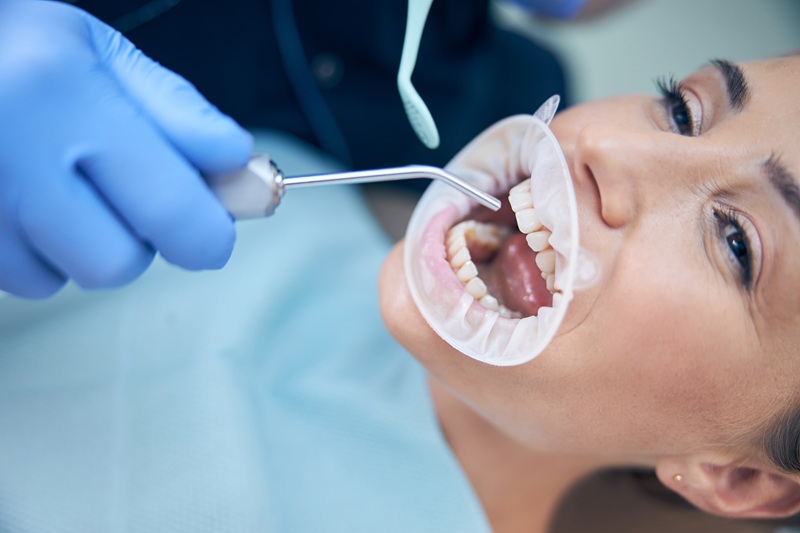
A dental filling is a treatment used to repair a tooth that has been damaged by decay or minor fractures. During a dental filling procedure, the dentist removes the decayed part of the tooth and fills the space with a restorative material. This helps prevent further decay and restores the tooth’s normal shape and function.
Dental filling treatment is commonly used for cavities caused by tooth decay, and comes in different types depending on which you prefer or recommended by your dentist. It can also be used when a filling has worn down or cracked over time.
According to Health Direct, untreated tooth decay can progress deeper into the tooth and may lead to pain, infection, or more complex dental procedures later on.
How Long Do Dental Fillings Last?
Many people would ask, “How long do dental fillings last? The answer depends on several factors, including the type of filling material, where the filling is placed, and how well the tooth is cared for.
Most dental fillings can last anywhere from 5 to 15 years, and sometimes longer with good oral hygiene. Fillings placed in back teeth may wear down faster because they are used more for chewing.
Research also suggests that habits, such as teeth grinding, poor brushing, and frequent sugary foods, can shorten the lifespan of a dental filling. That’s why regular dental check-ups help fillings to be monitored and repaired early if needed.
What Happens During the Dental Filling Procedure?
Knowing what to expect during the dental filling procedure can help patients feel more comfortable when getting a dental filling.
The process usually includes:
- Examining the tooth and confirming the need for treatment
- Numbing the area around the tooth
- Removing the decayed or damaged part of the tooth
- Cleaning the area to remove bacteria
- Placing and shaping the filling material
- Checking the bite and polishing the filling
Dental filling treatment is usually completed in one appointment. After the procedure, it is normal to feel mild sensitivity for a short time, especially when eating hot or cold foods. This sensitivity usually settles as the tooth adjusts to the filling.
How to Take Care of Dental Fillings
Knowing how to take care of dental fillings is essential to help them last as long as possible. While fillings are strong, they still need proper care to last long.
Brush and Clean Daily
Brushing twice a day with fluoride toothpaste helps remove plaque and protect both natural teeth and fillings. Fluoride helps strengthen tooth enamel and reduce the risk of further decay. Cleaning between teeth with floss or interdental brushes is also important, as decay can still form around the edges of a filling.
Avoid Hard and Sticky Foods
Chewing hard foods such as ice or lollies can crack or wear down fillings. Sticky foods can pull at fillings and make them loosen over time. Being mindful of food choices supports long-term dental filling care, oral health and well-being in general.
Watch for Teeth Grinding
Grinding or clenching teeth can place extra pressure on fillings. Over time, this may cause them to crack or wear out faster. If grinding is suspected, a dental professional may recommend protective options.
Attend Regular Dental Check-Ups
Routine dental visits help ensure fillings remain in good condition. Small issues can be detected early before they become bigger problems. Regular dental reviews play an important role in maintaining oral health across all ages.
Signs a Dental Filling May Need Attention
Even with good dental filling care, fillings do not last forever. It is important to look out for signs that a filling may need to be checked, such as:
- Pain or sensitivity when biting
- A rough or sharp edge on the tooth
- Food getting stuck around the filling
- Visible cracks or dark areas around the filling
If these signs are noticed, it is best to have the tooth examined promptly.
Why Ongoing Care Matters
Getting a dental filling helps restore a damaged tooth, but long-term success depends on daily care and professional monitoring. Understanding how long dental fillings last and following good oral hygiene habits can help protect both the filling and the surrounding tooth.
Consistent oral care reduces the risk of secondary decay, which is one of the most common reasons fillings fail.
Supporting Long-Term Oral Health
Dental fillings play an important role in protecting teeth that have been affected by decay or damage. While a filling can restore the tooth, its long-term success depends on daily care and regular dental reviews. Understanding the dental filling procedure, following good dental fillings care habits, and knowing how to take care of dental fillings at home can help reduce wear and lower the risk of further decay.
Simple actions such as brushing twice a day, cleaning between teeth, being mindful of food choices, and attending regular dental check-ups all support the health of both natural teeth and existing fillings. Over time, these habits can help fillings stay comfortable and functional for longer.
If you’re looking for a dental filling treatment in Brunswick, VIC, Brunswick Dental Practice is here to help give guidance and support for your dental health. Book an appointment with us online or call us at (03) 9386 7981 for a consultation.
Frequently Asked Questions
How long do dental fillings last?
Dental fillings can last between 5 and 15 years, and sometimes longer. How long they last depends on the type of filling, where it is placed, and how well the tooth is cared for through daily oral hygiene and regular dental check-ups.
What happens during a dental filling procedure?
During a dental filling procedure, the dentist removes the decayed or damaged part of the tooth, cleans the area, and places a filling material to restore the tooth’s shape and function. The treatment is usually completed in one visit.
Is getting a dental filling painful?
Getting a dental filling is generally comfortable, as the area is numbed before treatment. Some mild sensitivity after the procedure is common, especially to hot or cold foods, and usually settles within a short time.
How do I take care of dental fillings?
Dental fillings care includes brushing twice daily with fluoride toothpaste, cleaning between teeth, avoiding hard or sticky foods, and attending regular dental check-ups. These habits help protect both the filling and the surrounding tooth.
Can dental fillings fall out or wear down?
Over time, dental fillings can wear down, loosen, or crack, especially if exposed to heavy chewing forces or teeth grinding. Regular dental visits help identify any changes early.
When should a dental filling be checked?
A dental filling should be checked if you notice pain when biting, sensitivity, rough edges, food getting stuck, or visible cracks. Early review helps prevent further tooth damage.
Do dental fillings prevent future decay?
Dental fillings repair existing damage but do not prevent new decay on their own. Good oral hygiene and regular dental care are essential to reduce the risk of further decay around a filling.