


Tooth loss can affect more than just your smile. It may influence how you chew, speak and feel about your appearance.
If you are missing teeth and are considering dentures for the first time, it is natural to have questions about how they work, what they feel like, and what to expect.
This beginner-friendly denture guide explains the different types available, the denture fitting process, and how to care for them properly. If you are exploring options at a trusted denture clinic in Brunswick, understanding the basics can help you feel more confident about your next step.
What Are Dentures?
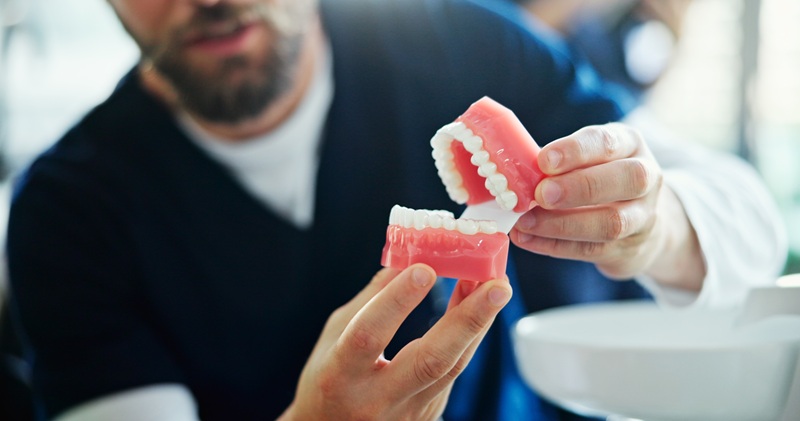
Dentures are removable dental appliances designed to replace missing teeth and surrounding tissues. They are custom-made to fit comfortably over your gums and restore both function and appearance.
If you have been wondering what are dentures used for, their primary purpose is to:
- Restore chewing ability
- Support clearer speech
- Maintain facial structure
- Improve smile aesthetics
According to the World Health Organization, untreated tooth loss can impact oral function and quality of life. Replacing missing teeth plays an important role in supporting overall oral health.
Types of Dentures
There are different types of dentures depending on how many teeth are missing and your individual oral health condition.
Complete Dentures (Full Dentures)
Complete dentures, also known as full dentures, are used when all teeth in the upper or lower jaw are missing. They rest directly on the gums and are carefully shaped to fit the contours of your mouth.
Full dentures may be recommended when remaining teeth are no longer healthy enough to be maintained.
Partial Dentures
A partial denture is used when some natural teeth remain. It fills the gaps created by missing teeth and is usually supported by a metal or acrylic framework that attaches to existing teeth.
Partial dentures help:
- Prevent remaining teeth from shifting
- Restore chewing balance
- Maintain facial structure
Your dentist will assess your gum health and remaining teeth before recommending a partial denture.
Acrylic Dentures
Acrylic dentures are commonly used due to their lightweight design and adaptability. They may be used as temporary (immediate) dentures following extractions or as long-term restorations, depending on your case.
The material selection for your dentures will be based on durability, fit and comfort considerations discussed during your consultation. Your teeth will also be assessed to ensure dentures are the most appropriate option for you.
The Denture Fitting Process
The process of getting dentures is carefully planned to achieve a secure, natural-looking and comfortable result. Because every mouth is different, several appointments may be required to ensure the denture fits properly and supports your bite and speech.
Here’s what you can expect:
- Comprehensive assessment
Your dentist will examine your gums, jawbone and any remaining teeth. X-rays may be taken to assess bone levels and identify any concerns that need to be addressed before treatment begins. - Detailed impressions and measurements
Accurate moulds or digital scans of your mouth are taken. Measurements of your jaw relationship help ensure the denture restores proper bite alignment and facial support. - Trial denture appointment
A wax model may be placed in your mouth to assess fit, appearance and speech. This step allows adjustments to tooth position, shade and bite before the final denture is fabricated. - Final fitting
Once the denture is ready, it is inserted and carefully adjusted to improve comfort and stability. Your dentist will check pressure areas and ensure your bite feels balanced. - Review and adjustments
Follow-up visits are important. As your mouth adapts, minor refinements may be required to relieve pressure points or improve fit.
With proper denture fabrication and ongoing adjustments, your dentures will not only ensure you are able to replace your teeth but also improve comfort and support patient adaptation.
Denture Care and Cleaning
Looking after your dentures each day helps keep them comfortable, reduces odour and staining, and supports healthy gums. Even with dentures, your mouth still needs regular care, as the tissues under a denture can become irritated if plaque and bacteria are left to build up.
A simple daily routine usually includes:
- Remove and rinse after meals to wash away food debris.
- Brush dentures gently every day using a soft denture brush and a denture cleaner (or mild soap if advised). Avoid abrasive toothpaste, which can scratch the surface.
- Soak overnight in a denture-cleaning solution (or as directed) to help loosen deposits and keep the material fresh.
- Clean your mouth too. Gently brush your gums, tongue and palate to support circulation and reduce plaque.
According to Healthdirect Australia, even with dentures, maintaining good oral hygiene still remains important because gum health still matters. Food debris, plaque and bacteria can still seep into your teeth and gums, which may cause you to risk your gum health.
Tip: Avoid hot water (it can warp dentures), and handle them over a towel or bowl of water to reduce the chance of breakage if they slip.
Exploring Dentures and How They Can Help
If you’re considering dentures, the most helpful first step is a personalised consultation. This gives you the chance to ask questions, understand your options, and find out what type of denture may suit your mouth, lifestyle and long-term oral health.
If you’re in Brunswick, VIC, looking for a dental clinic that helps with dentures, Brunswick Dental Practice takes the time to assess your gums, teeth and jawbone well before recommending you get dentures. We will also guide you through the process and let you know what to expect at each stage, including fit, comfort, and follow-up adjustments.
Book an appointment with us today.
Frequently Asked Questions
What are dentures?
Dentures are removable dental appliances designed to replace missing teeth and surrounding tissues. They help restore chewing function, support speech, maintain facial structure and improve smile appearance.
What is the difference between full and partial dentures?
Full dentures (complete dentures) are used when all teeth in the upper or lower jaw are missing. Partial dentures are used when some natural teeth remain and are designed to fill gaps while being supported by existing teeth.
Your dentist will assess your oral health before recommending the most appropriate option.
How long does the denture fitting process take?
The denture fitting process usually involves multiple appointments. These may include assessment, impressions, trial fittings and final placement. Follow-up visits are important to adjust the fit as your mouth adapts.
How long does it take to get used to dentures?
Getting used to dentures can take several weeks. You may initially notice increased saliva, mild soreness or slight changes in speech. These typically improve as your mouth adapts. If discomfort continues, adjustments may be needed.
How do I care for my dentures?
Denture care and cleaning should be done daily. This includes:
- Rinsing after meals
- Gently brushing with a denture brush
- Soaking overnight in a denture-cleaning solution
- Cleaning your gums, tongue and palate
Maintaining good oral hygiene remains important even when wearing dentures.
Can I use denture adhesive?
Denture adhesive may be used for additional stability if recommended. However, it should not replace professional adjustments. If dentures feel loose, your dentist may recommend relining or refitting.
How often do dentures need adjustments or relining?
Over time, changes in your gums and jawbone may affect denture fit. Denture relining and adjustments may be required periodically to improve comfort and stability. Regular dental check-ups help monitor these changes.